Trump Releases 2026 Counterterrorism Strategy Focused on Cartels and Left-Wing Extremists
United States
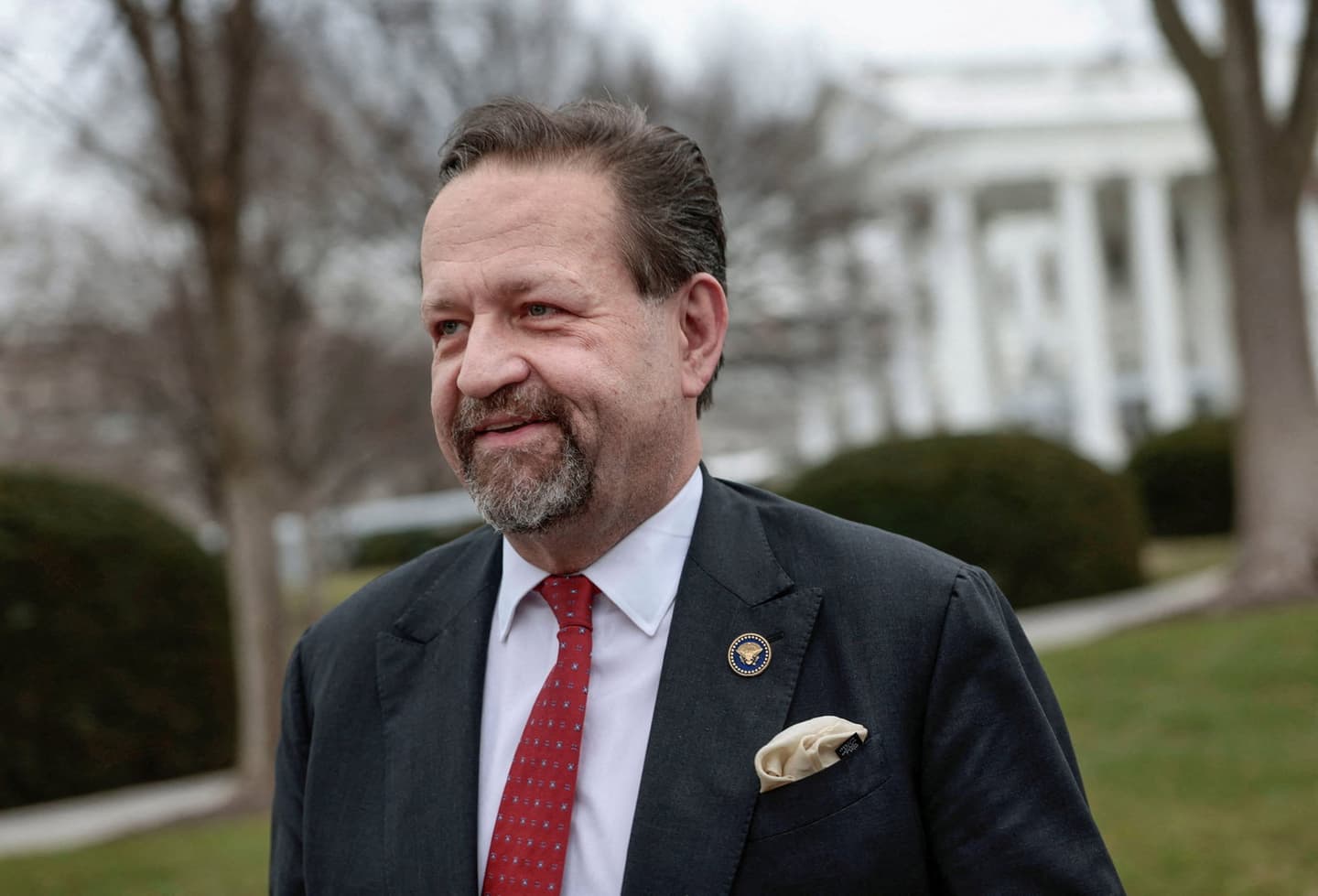
Evelyn Hockstein/Reuters




What Happened
What Happened
Where Sources Agree
- arrows_inputStrategy Focus Confirmed: Coverage confirms the 2026 counterterrorism strategy, spearheaded by Sebastian Gorka, prioritizes an 'America First' approach and targets cartels and left-wing extremists, according to top White House adviser Sebastian Gorka.
- arrows_inputCartel Neutralization Priority: Initial reports confirm the new counterterrorism strategy prioritizes neutralizing hemispheric terror threats by incapacitating cartel operations, with 15 Latin American cartels designated as foreign terrorist organizations, according to Sebastian Gorka and the strategy document.
- arrows_inputStrategy Targets Left-Wing Extremists: Reporting establishes Trump's new counterterrorism strategy targets 'violent secular political groups' including Antifa, anarchists, and 'radically pro-transgender' ideologies, with plans to use law enforcement to cripple their operations, according to Sebastian Gorka and the strategy document.
Where Sources Disagree
- arrows_outputDomestic Extremism Threat Focus: Trump administration officials assert their counterterrorism strategy prioritizes left-wing groups like Antifa as major terror threats, viewing them as violent and anti-American. However, critics argue right-wing extremism is historically more lethal, defining Antifa as an ideology, not an organization.
- arrows_outputStrategy's Partisan Framing: Trump administration officials assert the new counterterrorism strategy is apolitical and reality-based, pledging to guard against weaponization of counterterrorism powers; however, critics contend it is partisan, weaponizes counterterrorism for political ends, and ignores right-wing threats.
Timeline
May 6, 2026
Strategy broadens terrorism definition: The strategy expands the traditional terrorism definition to include transnational criminal organizations and 'violent secular political groups' (naming Antifa as an example), calls for rapid identification and 'neutralization' of such groups, singles out the Muslim Brotherhood for continued designation, and prompted warnings (e.g., Ken Klippenstein) that elements of the plan—linked to White House adviser Sebastian Gorka—risk criminalizing speech and enable 'pre‑crime' approaches.
May 6, 2026
Trump signs 2026 counterterrorism strategy: On May 6, 2026 the White House released and President Trump signed a new 16-page national counterterrorism strategy that prioritizes neutralizing hemispheric threats and incapacitating cartel operations while also addressing Islamist jihadists and violent political groups. The administration framed cartels as a central threat and presented the document as a broad reorientation of U.S. counterterrorism priorities.
March 2026
Counterterrorism infrastructure weakened: Officials and experts said key elements of the government's counterterrorism apparatus were weakened or in limbo: Joe Kent resigned as National Counterterrorism Center director in March, leaving the center without a permanent director, and the Department of Homeland Security had not issued a new national threat advisory since it expired in September. Critics warned the absence of a clearly articulated strategy contributed to a fragmented response.
Perspectives and Debates
Is the classification of left-wing groups like Antifa as major terrorist threats empirically supported?
Summaries by Ground AI
Sources
See All 171Most Written About
The stories getting the most coverage from the last 24 hours




Timeline
May 6, 2026
Strategy broadens terrorism definition: The strategy expands the traditional terrorism definition to include transnational criminal organizations and 'violent secular political groups' (naming Antifa as an example), calls for rapid identification and 'neutralization' of such groups, singles out the Muslim Brotherhood for continued designation, and prompted warnings (e.g., Ken Klippenstein) that elements of the plan—linked to White House adviser Sebastian Gorka—risk criminalizing speech and enable 'pre‑crime' approaches.
May 6, 2026
Trump signs 2026 counterterrorism strategy: On May 6, 2026 the White House released and President Trump signed a new 16-page national counterterrorism strategy that prioritizes neutralizing hemispheric threats and incapacitating cartel operations while also addressing Islamist jihadists and violent political groups. The administration framed cartels as a central threat and presented the document as a broad reorientation of U.S. counterterrorism priorities.
March 2026
Counterterrorism infrastructure weakened: Officials and experts said key elements of the government's counterterrorism apparatus were weakened or in limbo: Joe Kent resigned as National Counterterrorism Center director in March, leaving the center without a permanent director, and the Department of Homeland Security had not issued a new national threat advisory since it expired in September. Critics warned the absence of a clearly articulated strategy contributed to a fragmented response.


