Prime Medicine Treats First Patient With In-Body Prime Editing for Wilson Disease
United States
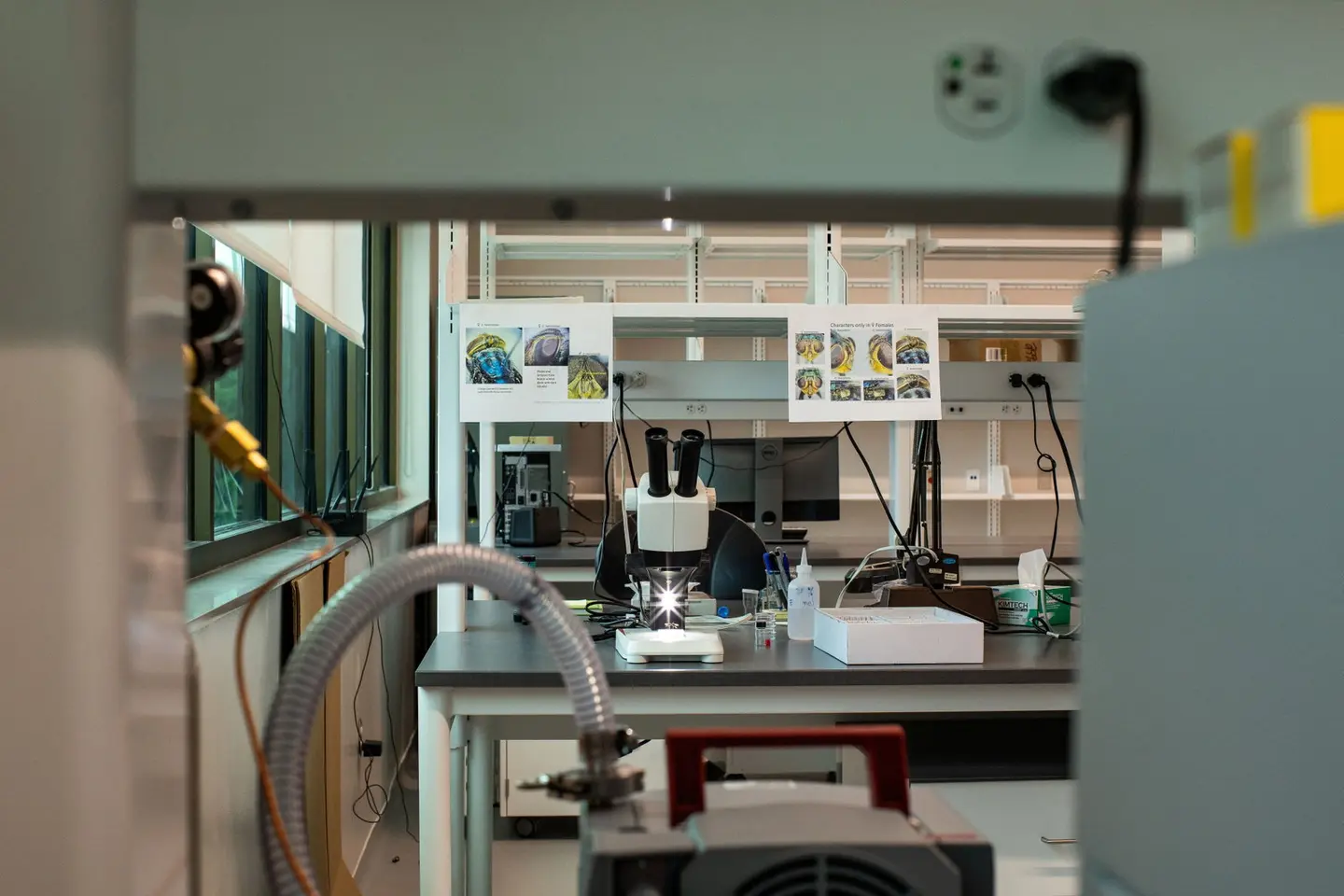
Kaylee Greenlee/Reuters




What Happened
Key Implications
What Happened
Key Implications
Where Left Sources Focus
- Economic and Accessibility Advantages: Left-leaning sources highlight the economic advantages of direct in-body editing, citing analysts like Joseph Thome who note that bypassing laboratory cell extraction significantly reduces production costs and increases patient accessibility to genetic therapies.
- Potential for Permanent Cure: Progressive reporting focuses on the potential for a single, permanent cure for Wilson disease, featuring statements from the Wilson Disease Association that contrast this new one-time treatment with the lifelong burden of current copper-clearing medications.
Where Center Sources Focus
- Clinical Parameters and Limitations: Center-leaning outlets focus on the trial's rigorous safety protocols and clinical limitations, emphasizing that first results are not expected until 2027 and that successful genetic editing does not guarantee the reversal of existing organ damage.
- Technical Precision Mechanics: Center coverage details the technical mechanics of prime editing, highlighting how the "molecular search-and-replace" function differentiates the technology from traditional CRISPR-Cas9 by avoiding double-strand DNA breaks during the modification process.
What's Largely Absent from Each Side
- Left sources rarely mention: Left sources rarely mention the specific mutation targeting limitations of the therapy, such as the focus on H1069Q versus R778L mutations, which Center outlets feature to explain that the treatment may not be universally applicable.
- Center sources rarely mention: Center coverage largely omits analysis of the economic impact and market accessibility benefits of direct in-body therapies, details which Left sources highlight alongside analyst commentary on reduced production costs.
Rare Agreement
- Scientific Milestone Achievement: Despite divergent coverage patterns, sources across the spectrum agree that the administration of in-body prime editing for Wilson disease represents a significant scientific milestone, utilizing lipid nanoparticles for delivery.
Timeline
January 1, 2027 Upcoming
Phase 1/2 trial and expectations: The Phase 1/2 trial will enroll adults with stable Wilson disease to monitor safety and copper metabolism with blood, urine and imaging tests, and investigators will assess whether patients can stop existing treatments. Prime Medicine expects to report the first clinical results in 2027.
October 5, 2026
Prime Medicine treats first patient: On October 5, 2026, Prime Medicine announced it had administered an experimental in‑body prime‑editing therapy (PM577a) to its first patient with Wilson disease, delivering editing machinery to liver cells via lipid nanoparticles. This was reported as the first known use of prime editing directly inside a person, though whether the patient's DNA was corrected remained unknown.
December 1, 2025
Prime editing tested in humans (outside body): In December 2025, researchers reported using prime editing to treat two patients by rewriting blood stem cells outside the body and reinfusing them, showing promising early results in The New England Journal of Medicine. This prior human testing contrasted with later in-body approaches.
Summary by Ground AI
Sources
See All 28A varied selection of sources chosen by Ground to reflect the diversity of this story’s coverage.
Most Written About
The stories getting the most coverage from the last 24 hours





Timeline
January 1, 2027 Upcoming
Phase 1/2 trial and expectations: The Phase 1/2 trial will enroll adults with stable Wilson disease to monitor safety and copper metabolism with blood, urine and imaging tests, and investigators will assess whether patients can stop existing treatments. Prime Medicine expects to report the first clinical results in 2027.
October 5, 2026
Prime Medicine treats first patient: On October 5, 2026, Prime Medicine announced it had administered an experimental in‑body prime‑editing therapy (PM577a) to its first patient with Wilson disease, delivering editing machinery to liver cells via lipid nanoparticles. This was reported as the first known use of prime editing directly inside a person, though whether the patient's DNA was corrected remained unknown.
December 1, 2025
Prime editing tested in humans (outside body): In December 2025, researchers reported using prime editing to treat two patients by rewriting blood stem cells outside the body and reinfusing them, showing promising early results in The New England Journal of Medicine. This prior human testing contrasted with later in-body approaches.


