Chinese Researchers Say HG-STR Lets Drone Swarms Operate Through Jamming
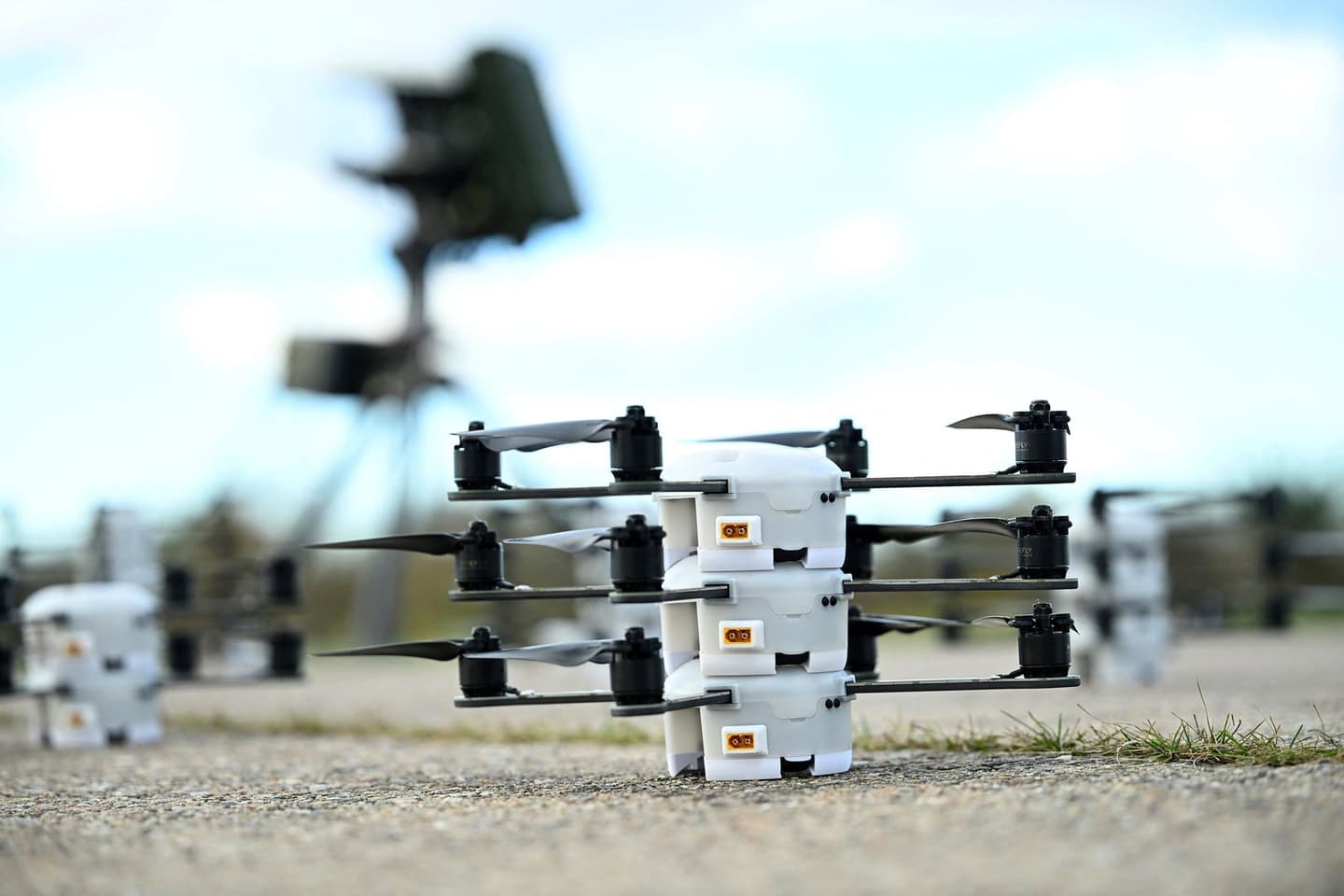
Jonas Walzberg/Reuters




What Happened
What Happened
Where Center Sources Focus
- HG-STR Algorithm Details: Center sources detail the HG-STR algorithm, which uses a heterogeneous graph for spatio-temporal reasoning, reporting a "100 percent kill rate" in simulations published in Acta Aeronautica et Astronautica Sinica, according to SCMP.
- Atlas System Capabilities: Center sources highlight the Atlas AI-enhanced system, describing how one operator can launch and coordinate 96 autonomous drones. State media footage shows the Swarm-2 launcher rapidly deploying fixed-wing drones, reportedly reorganizing midair after losses.
What's Largely Absent from Each Side
- Left sources rarely mention: Left sources rarely mention detailed technical claims about HG-STR's simulation '100% kill rate' or its graph architecture, with center outlets emphasizing these specifics as crucial to threat assessments and procurement priorities.
- Right sources rarely mention: Right coverage largely omits cautionary context on military AI claims, including simulation limits and the need for independent replication and field trials, while center sources extensively cover these crucial technical assessment factors.
Timeline
May 30, 2026
Experts caution on claims: Coverage and analysts urged caution, noting that perfect simulation results differ from battlefield performance and calling for independent replication, public code or datasets, follow-up field trials, and official statements to assess real-world reliability. Observers warned simulation robustness may not translate to operational effectiveness due to sensor noise, adversarial manipulation, and hardware constraints.
May 30, 2026
HG-STR enables degraded operation: Researchers say HG-STR builds a dynamic heterogeneous graph representing friendly units, enemy targets, terrain and sensors, allowing swarms to infer likely enemy positions and continue pursuing targets even when communications are severed or direct visual confirmation is lost. Reporting and the paper focused tests on fixed-wing swarms operating under contested communications and degraded sensing.
May 19, 2026
HG-STR paper published: A peer-reviewed paper by Zhang Dong et al., published on May 19, 2026 in Acta Aeronautica et Astronautica Sinica, described HG-STR (Heterogeneous Graph Spatio-Temporal Reasoning) and reported simulations in which fixed-wing swarms using the algorithm achieved a '100 per cent kill rate' while operating under degraded sensing and contested communications.
Summaries by Ground AI
Sources
See All 9Most Written About
The stories getting the most coverage from the last 24 hours


Timeline
May 30, 2026
Experts caution on claims: Coverage and analysts urged caution, noting that perfect simulation results differ from battlefield performance and calling for independent replication, public code or datasets, follow-up field trials, and official statements to assess real-world reliability. Observers warned simulation robustness may not translate to operational effectiveness due to sensor noise, adversarial manipulation, and hardware constraints.
May 30, 2026
HG-STR enables degraded operation: Researchers say HG-STR builds a dynamic heterogeneous graph representing friendly units, enemy targets, terrain and sensors, allowing swarms to infer likely enemy positions and continue pursuing targets even when communications are severed or direct visual confirmation is lost. Reporting and the paper focused tests on fixed-wing swarms operating under contested communications and degraded sensing.
May 19, 2026
HG-STR paper published: A peer-reviewed paper by Zhang Dong et al., published on May 19, 2026 in Acta Aeronautica et Astronautica Sinica, described HG-STR (Heterogeneous Graph Spatio-Temporal Reasoning) and reported simulations in which fixed-wing swarms using the algorithm achieved a '100 per cent kill rate' while operating under degraded sensing and contested communications.


