AI-Generated False Intel Nearly Led U.S. to Board Chinese Ship
United States
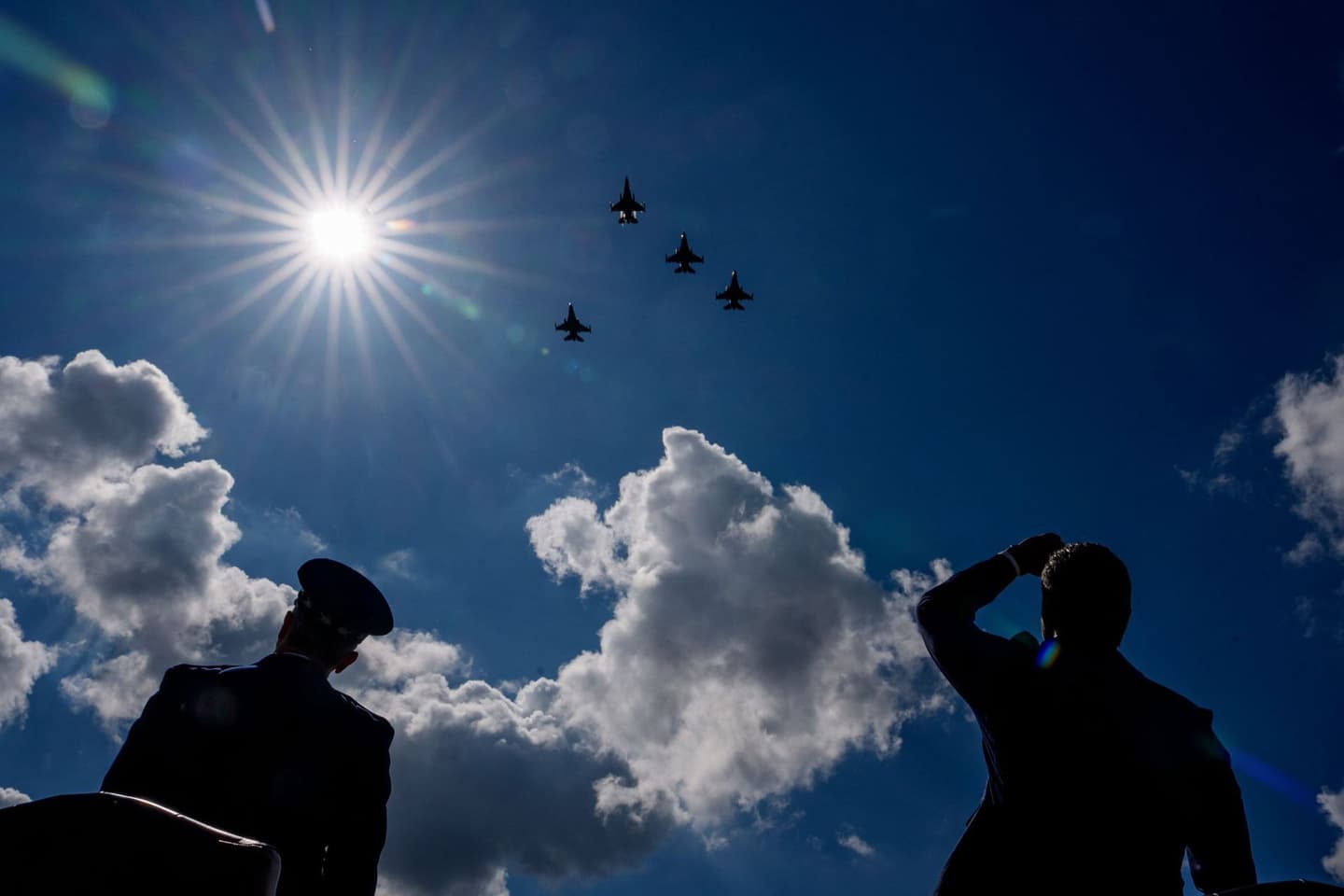
Andrew Harnik/Getty Images/Getty




What Happened
What Happened
Where Sources Agree
- arrows_inputAI Intelligence Error Halts Operation: Sources largely converge on the fact that the U.S. military halted a planned operation to intercept a Chinese vessel in the Middle East after discovering an intelligence report, which falsely claimed the ship carried nuclear components, was generated with the help of artificial intelligence, according to reports citing four sources familiar with the incident.
- arrows_inputAI Intelligence Mechanism Failure: A number of outlets note that a special operations analyst used a chatbot to fuse open-source and secret signals intelligence into an erroneous report on a Chinese ship's cargo, per official sources.
- arrows_inputAI Intelligence Near-Miss: Various sources indicate that the US military nearly launched an operation to intercept a Chinese ship in the Middle East after an AI-generated intelligence report falsely identified its cargo as nuclear weapons components, according to multiple officials familiar with the episode.
Where Sources Disagree
- arrows_outputMinab Strike Casualty Count: Reports differ on the casualty count from the February U.S. strike on a school in Minab, Iran; while some sources state the attack killed 168 people, others report the strike resulted in nearly 200 deaths among children and adults.
- arrows_outputWar Context Framing: Some outlets frame the hostilities as a war launched by President Trump specifically to prevent Iran from obtaining nuclear weapons; conversely, other outlets describe the incident simply as occurring within the context of an ongoing war with Iran.
Timeline
September 19, 2026
Public outcry and scrutiny mounts: The bombshell reporting in mid‑September sparked alarm, broad criticism of rapid Pentagon AI adoption, calls for greater verification standards, and wider debate over AI's role in targeting and intelligence after sources warned the incident "almost started a war." Lawmakers and experts pushed for investigations and stronger safeguards.
January 12, 2026
DOD AI acceleration announced: Defense Secretary Pete Hegseth unveiled an Artificial Intelligence Acceleration/AI-first strategy directing rapid adoption of AI across the Department of War and to put advanced models into the hands of military personnel. The policy rollout in January pushed for experimentation, reduced bureaucratic barriers and broader AI use across warfighting, intelligence and enterprise operations.
Spring 2026
Chatbot fused OSINT and signals data: Review found the chatbot had fused open‑source information with classified signals intelligence and incorrectly inferred the ship's cargo; reports say it is unclear whether the analyst used a commercial model or a government‑hosted tool, and internal systems are described as often being cloned from commercial products.
Perspectives and Debates
What broader risk does the AI-assisted intelligence incident illustrate?
Summary by Ground AI
Sources
See All 505A varied selection of sources chosen by Ground to reflect the diversity of this story’s coverage.
Most Written About
The stories getting the most coverage from the last 24 hours



Timeline
September 19, 2026
Public outcry and scrutiny mounts: The bombshell reporting in mid‑September sparked alarm, broad criticism of rapid Pentagon AI adoption, calls for greater verification standards, and wider debate over AI's role in targeting and intelligence after sources warned the incident "almost started a war." Lawmakers and experts pushed for investigations and stronger safeguards.
January 12, 2026
DOD AI acceleration announced: Defense Secretary Pete Hegseth unveiled an Artificial Intelligence Acceleration/AI-first strategy directing rapid adoption of AI across the Department of War and to put advanced models into the hands of military personnel. The policy rollout in January pushed for experimentation, reduced bureaucratic barriers and broader AI use across warfighting, intelligence and enterprise operations.
Spring 2026
Chatbot fused OSINT and signals data: Review found the chatbot had fused open‑source information with classified signals intelligence and incorrectly inferred the ship's cargo; reports say it is unclear whether the analyst used a commercial model or a government‑hosted tool, and internal systems are described as often being cloned from commercial products.


