Australia Confirms First H5 Bird Flu Case in Mainland Mammal
Australia
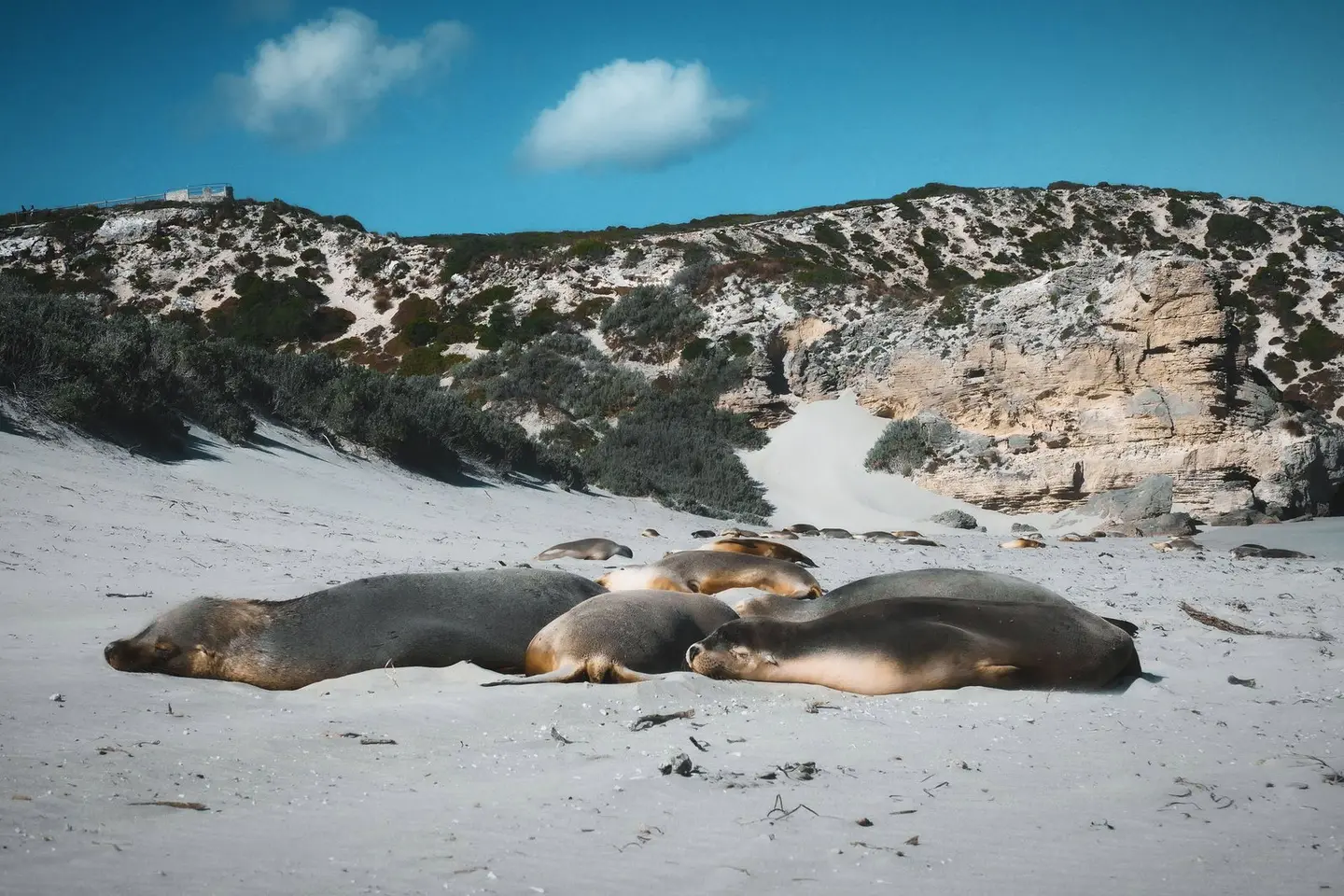
Vlad Kutepov/Pexels
Source Analysis




What Happened
Key Implications
What Happened
Key Implications
Where Sources Agree
- arrows_inputFirst Mainland Mammal Case: Coverage broadly notes the first confirmed mainland case of H5 bird flu in a mammal, identified in a long-nosed fur seal found dead without injury in Beachport, South Australia, according to South Australian authorities and CSIRO.
- arrows_inputAgricultural Systems Unaffected: Outlets generally confirm that H5 bird flu has not been detected in Australia's poultry or agriculture systems, with commercial farming sectors remaining unaffected, according to federal government reports.
- arrows_inputPreparedness and Vaccination Funding: Some sources suggest the federal government has allocated $113 million toward bird flu preparedness and activated an additional $24 million to bolster wildlife resilience, including the vaccination of 5,000 little penguins, according to Senator Murray Watt and government statements.
Where Sources Disagree
- arrows_outputBeachport Distance Reporting: Reports vary slightly regarding the distance of Beachport from Adelaide, with some outlets citing 300 kilometers and others reporting 310 kilometers.
- arrows_outputH5 Bird Flu Case Totals: Reports vary slightly on the total number of confirmed H5 bird flu cases nationwide, with official figures citing 297 and other reports noting 298.
Timeline
August 24, 2026
Suspected Second Seal Case Reported: A suspected H5 detection in another long‑nosed fur seal was reported at the Pages Conservation Park (a key breeding site) a day after the confirmed Beachport case, with samples sent to the Australian Centre for Disease Preparedness for confirmatory testing. NSW and SA agencies attended the site and results were expected in the coming days.
August 23, 2026
First Mainland Mammal Case Confirmed: On August 23 authorities confirmed the country's first mainland mammalian H5 detection after tests showed the Beachport long‑nosed fur seal died from H5 bird flu, amid hundreds of wild‑bird events (reporting between 298 and 309 events as of Aug 23). Federal ministers described the development as serious but not unexpected and said there was no evidence the virus had entered poultry or agriculture.
August 19, 2026
Seal Found Dead at Beachport: A long‑nosed fur seal was found dead with no obvious injuries by a member of the public at Beachport, about 300 km south of Adelaide, and samples were sent for testing after the discovery on August 19. The animal is one of an estimated 100,000 long‑nosed fur seals in the state's waters.
Summaries by Ground AI
Sources
See All 81Most Written About
The stories getting the most coverage from the last 24 hours




Source Analysis
Timeline
August 24, 2026
Suspected Second Seal Case Reported: A suspected H5 detection in another long‑nosed fur seal was reported at the Pages Conservation Park (a key breeding site) a day after the confirmed Beachport case, with samples sent to the Australian Centre for Disease Preparedness for confirmatory testing. NSW and SA agencies attended the site and results were expected in the coming days.
August 23, 2026
First Mainland Mammal Case Confirmed: On August 23 authorities confirmed the country's first mainland mammalian H5 detection after tests showed the Beachport long‑nosed fur seal died from H5 bird flu, amid hundreds of wild‑bird events (reporting between 298 and 309 events as of Aug 23). Federal ministers described the development as serious but not unexpected and said there was no evidence the virus had entered poultry or agriculture.
August 19, 2026
Seal Found Dead at Beachport: A long‑nosed fur seal was found dead with no obvious injuries by a member of the public at Beachport, about 300 km south of Adelaide, and samples were sent for testing after the discovery on August 19. The animal is one of an estimated 100,000 long‑nosed fur seals in the state's waters.


