Four Top RFK Appointees Allowed To Keep Drug Stocks
United States
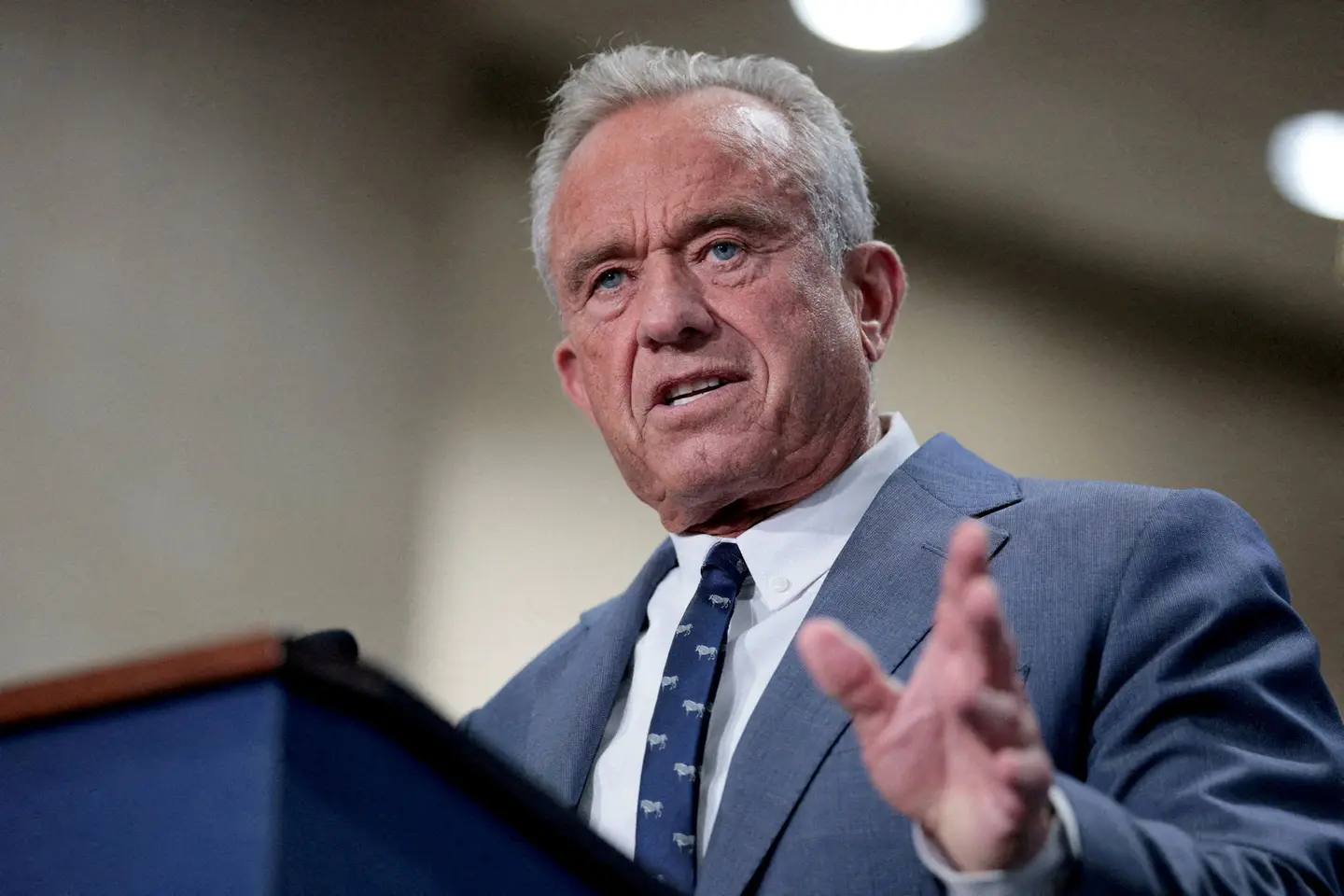
Evan Vucci/Reuters



What Happened
What Happened
Where Sources Disagree
- arrows_outputEthical Concerns vs. Waiver Procedures: Former officials and critics argue the waivers undermine public trust and fail the "smell test" given the potential for financial conflicts, while HHS officials maintain the waivers are a standard tool for federal advisory bodies, noting that recusal duties sufficiently mitigate conflicts.
Timeline
November 08, 2026
Recommendations remain in effect: Officials and reporting noted current task force recommendations remain in effect and patients should continue scheduling preventive services; the panel’s next meeting date and first topics had not been announced, and the waivers do not disclose whether shares are held directly or through managed funds. The public can follow draft recommendations and comment when they are posted.
November 08, 2026
HHS and AHRQ defend waivers: HHS said the waivers follow federal ethics law and cited a 2025 Supreme Court ruling that made task force members "special government employees," while AHRQ's Klein argued that a single member, as one of 16, cannot render a final government decision; former members and officials warned the waivers could undermine trust. The waivers also required members to consider recusal for topics closely tied to their holdings.
November 06, 2026
Waivers revealed by New York Times: The New York Times reported that four of the eight Kennedy appointees were granted conflict-of-interest waivers allowing them to keep stock in drug and health companies — including Eli Lilly and Johnson & Johnson — after the Times obtained the waivers via a public records request. The waivers documented specific holdings for Drs. Patrick K. Hunter, Ronald P. Karlsberg, Venkatesh L. Murthy and Dennis W. Wulfeck.
Summary by Ground AI
Sources
See All 8A varied selection of sources chosen by Ground to reflect the diversity of this story’s coverage.
Most Written About
The stories getting the most coverage from the last 24 hours





Timeline
November 08, 2026
Recommendations remain in effect: Officials and reporting noted current task force recommendations remain in effect and patients should continue scheduling preventive services; the panel’s next meeting date and first topics had not been announced, and the waivers do not disclose whether shares are held directly or through managed funds. The public can follow draft recommendations and comment when they are posted.
November 08, 2026
HHS and AHRQ defend waivers: HHS said the waivers follow federal ethics law and cited a 2025 Supreme Court ruling that made task force members "special government employees," while AHRQ's Klein argued that a single member, as one of 16, cannot render a final government decision; former members and officials warned the waivers could undermine trust. The waivers also required members to consider recusal for topics closely tied to their holdings.
November 06, 2026
Waivers revealed by New York Times: The New York Times reported that four of the eight Kennedy appointees were granted conflict-of-interest waivers allowing them to keep stock in drug and health companies — including Eli Lilly and Johnson & Johnson — after the Times obtained the waivers via a public records request. The waivers documented specific holdings for Drs. Patrick K. Hunter, Ronald P. Karlsberg, Venkatesh L. Murthy and Dennis W. Wulfeck.


