Australia Forecasts Deaths Will Outnumber Births in 2060s
Australia
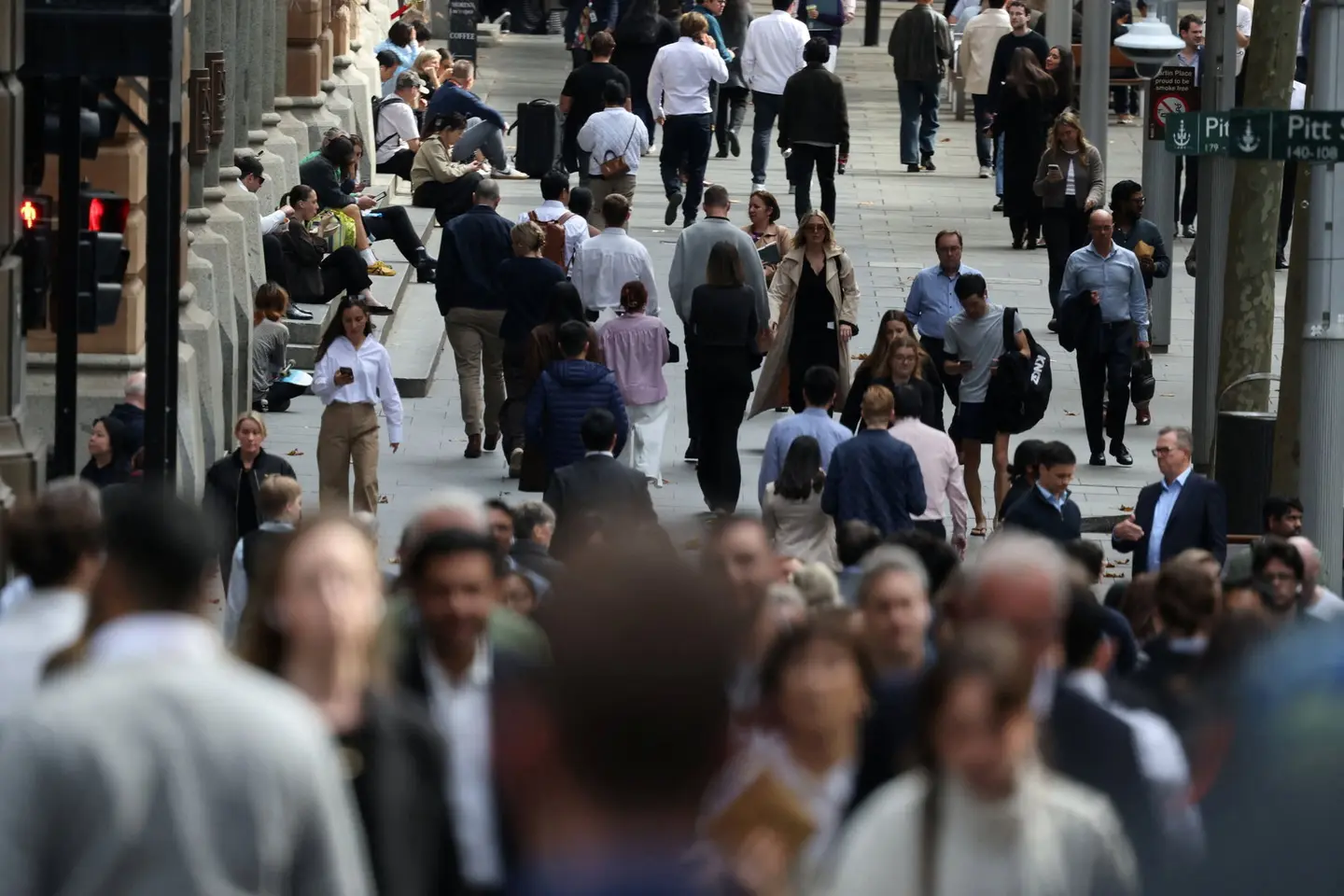
Hollie Adams/Reuters




What Happened
Key Implications
What Happened
Key Implications
Where Sources Agree
- arrows_inputHistoric Demographic Forecast: Several sources align on the projection that deaths will outnumber births in Australia by the 2060s, marking the first time this demographic shift has appeared in an Intergenerational Report, according to Treasury.
- arrows_inputHistoric Demographic Milestone: Multiple sources report that Australia will see deaths outnumber births by the 2060s for the first time, according to Treasury forecasts, as natural population increase ceases to drive growth.
Where Sources Disagree
- arrows_outputIntergenerational Report Framing: Treasury and Treasurer Jim Chalmers frame the Intergenerational Report as projecting sustained economic growth, a doubling of the economy by the mid-2060s and abundant opportunities from AI-driven productivity; however, business groups, economists and several outlets stress the report's warnings about deteriorating living standards, ageing demographics and a strained federal budget.
- arrows_outputProductivity Growth Assumptions: Some sources highlight skepticism from the Business Council of Australia and economists regarding the Treasury’s 1.2% annual productivity growth assumption, citing lower historical averages. However, other outlets report the projection as a foundational element of the Intergenerational Report without detailing these critical perspectives.
- arrows_outputMigration Policy Framing: While some sources highlight the government's tightening of immigration rules in response to domestic political pressure, others emphasize that continued migration remains essential for demographic resilience to counter Australia's aging population and declining birth rates.
Timeline
September 21, 2026
Economic outlook and policy implications: The IGR forecasts the economy will be more than twice its current size by 2066 but warns the budget will be strained and relies on productivity gains (Treasury assumes ~1.2% annual productivity growth driven by AI). The report highlights migration as the chief source of demographic resilience and sparked political debate over migration targets and fiscal pressures from an ageing population.
September 21, 2026
Fertility falls and ageing deepens: The report projects fertility will fall to a record low of about 1.34 children per woman by 2065-66, the median age will rise to about 45, the share aged 65+ will roughly double, and those 85+ are expected to triple — with female life expectancy rising toward ~89.5 years and male life expectancy toward ~86.1 years. These shifts drive a smaller future workforce and greater demand for health and aged care.
September 21, 2026
Deaths to outnumber births: For the first time in an IGR, Treasury forecasts that natural increase will reverse and deaths will exceed births in the 2060s, meaning population growth will depend on migration rather than natural increase. This milestone is explicitly projected to occur in the 2060s in the report.
Perspectives and Debates
Can productivity gains be relied on to offset the costs of population ageing?
Summary by Ground AI
Sources
See All 43A varied selection of sources chosen by Ground to reflect the diversity of this story’s coverage.
Most Written About
The stories getting the most coverage from the last 24 hours


Timeline
September 21, 2026
Economic outlook and policy implications: The IGR forecasts the economy will be more than twice its current size by 2066 but warns the budget will be strained and relies on productivity gains (Treasury assumes ~1.2% annual productivity growth driven by AI). The report highlights migration as the chief source of demographic resilience and sparked political debate over migration targets and fiscal pressures from an ageing population.
September 21, 2026
Fertility falls and ageing deepens: The report projects fertility will fall to a record low of about 1.34 children per woman by 2065-66, the median age will rise to about 45, the share aged 65+ will roughly double, and those 85+ are expected to triple — with female life expectancy rising toward ~89.5 years and male life expectancy toward ~86.1 years. These shifts drive a smaller future workforce and greater demand for health and aged care.
September 21, 2026
Deaths to outnumber births: For the first time in an IGR, Treasury forecasts that natural increase will reverse and deaths will exceed births in the 2060s, meaning population growth will depend on migration rather than natural increase. This milestone is explicitly projected to occur in the 2060s in the report.


