Hiya Report Finds One in Four Americans Receive AI Deepfake Voice Scam Calls
Barcelona, Spain
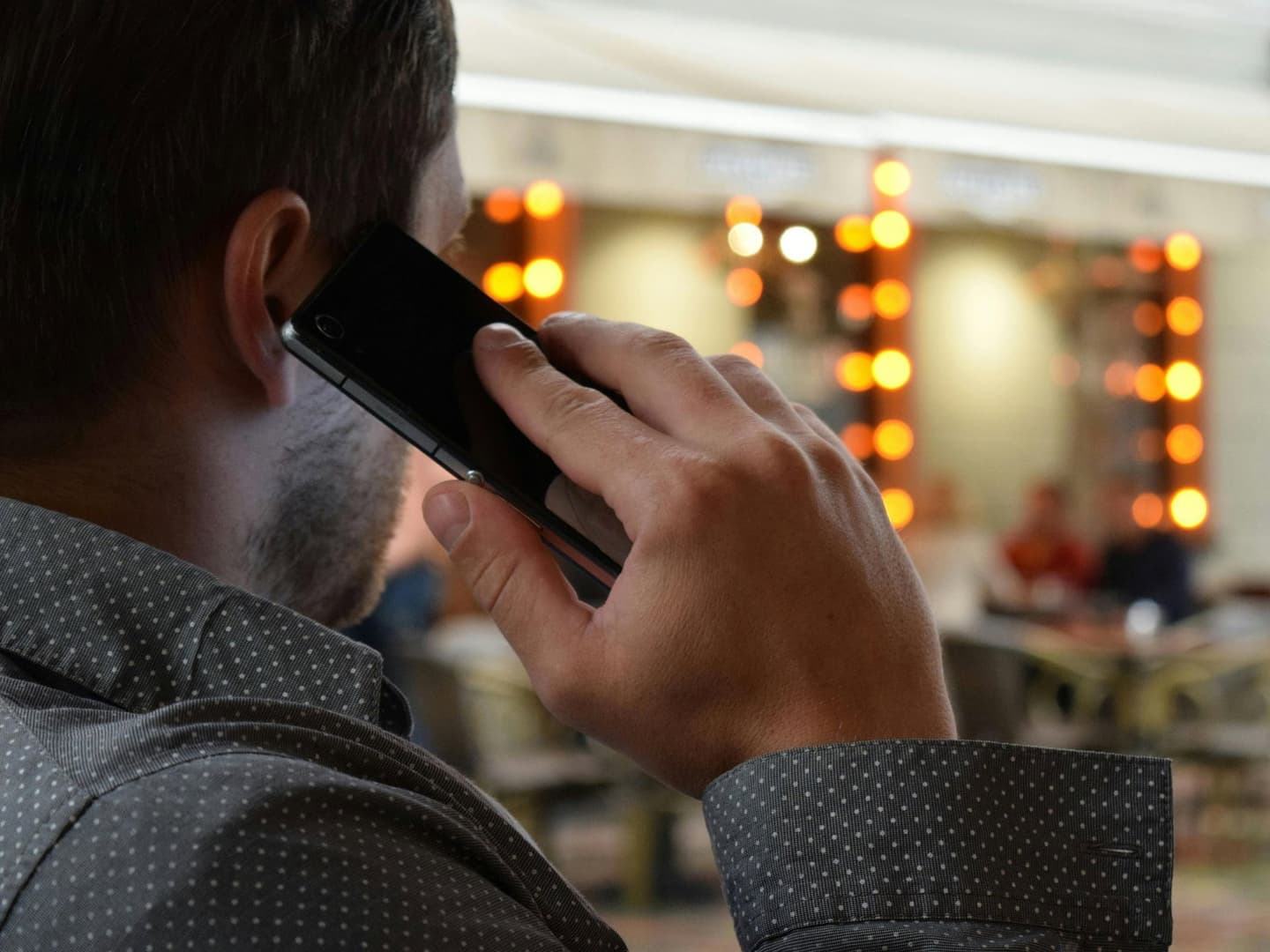
Pixabay/Pexels
Source Analysis




What Happened
Why It Matters
What Happened
Why It Matters
Where Sources Agree
- arrows_inputDeepfake Scam Prevalence: Sources verify one in four Americans received a deepfake voice call through Hiya's State of the Call 2026 report.
- arrows_inputConsumer Demand for Carrier Liability: Coverage highlights that 67% of Americans believe carriers should be held responsible for scam losses, framing it as a significant shift in consumer expectations, according to Hiya's State of the Call 2026 report.
- arrows_inputAI Boosts Scam Efficiency: Coverage confirms AI significantly outshines humans in scam efficiency; fully automating scams with AI is approximately 95% cheaper, according to Harvard researchers.
Where Sources Disagree
- arrows_outputScope of Industry Countermeasures: Other sources emphasize broader industry countermeasures, citing actions by companies like OpenAI and Anthropic, and advanced biometric verification software. While the Hiya Report primarily focuses on Hiya's role as a global leader providing AI-powered voice security solutions and collaborating with carriers.
- arrows_outputAI Scam Automation and Cost: Some analyses indicate AI automates scams, making them 95% cheaper and able to automate entire phishing processes. In contrast, other analyses emphasize AI's weaponization by scammers, moving faster than defenses, but do not detail cost or automation specifics.
Timeline
March 2, 2026
Report details harms and demands: Hiya's report found deepfake voice calls are widespread—one in four Americans said they received a deepfake voice call in the past 12 months—while unwanted calls (9.9/week in the U.S., 7.4/week across markets) are rising ~16% annually, victims suffer significant losses (including seniors averaging $1,298), and consumers are calling for carrier liability, stronger regulation and industry solutions; Hiya promoted AI‑based protections and showcased solutions at Mobile World Congress.
March 2, 2026
Hiya releases State of the Call 2026: On March 2, 2026 Hiya published its State of the Call 2026 report, saying AI weaponization has pushed consumer frustration with wireless providers to a tipping point and making the report and detailed data available to media.
February 25, 2025
Research shows average losses: Research released earlier found the average reported loss per U.S. fraud‑call victim was $539, with Canadian victims facing higher average losses; these figures illustrated the tangible financial harm from phone scams.
Summary by Ground AI
Sources
See All 17A varied selection of sources chosen by Ground to reflect the diversity of this story’s coverage.
Most Written About
The stories getting the most coverage from the last 24 hours



Source Analysis
Timeline
March 2, 2026
Report details harms and demands: Hiya's report found deepfake voice calls are widespread—one in four Americans said they received a deepfake voice call in the past 12 months—while unwanted calls (9.9/week in the U.S., 7.4/week across markets) are rising ~16% annually, victims suffer significant losses (including seniors averaging $1,298), and consumers are calling for carrier liability, stronger regulation and industry solutions; Hiya promoted AI‑based protections and showcased solutions at Mobile World Congress.
March 2, 2026
Hiya releases State of the Call 2026: On March 2, 2026 Hiya published its State of the Call 2026 report, saying AI weaponization has pushed consumer frustration with wireless providers to a tipping point and making the report and detailed data available to media.
February 25, 2025
Research shows average losses: Research released earlier found the average reported loss per U.S. fraud‑call victim was $539, with Canadian victims facing higher average losses; these figures illustrated the tangible financial harm from phone scams.


