State Department Sends Internal Crime Assessments to Asylum Officers
United States
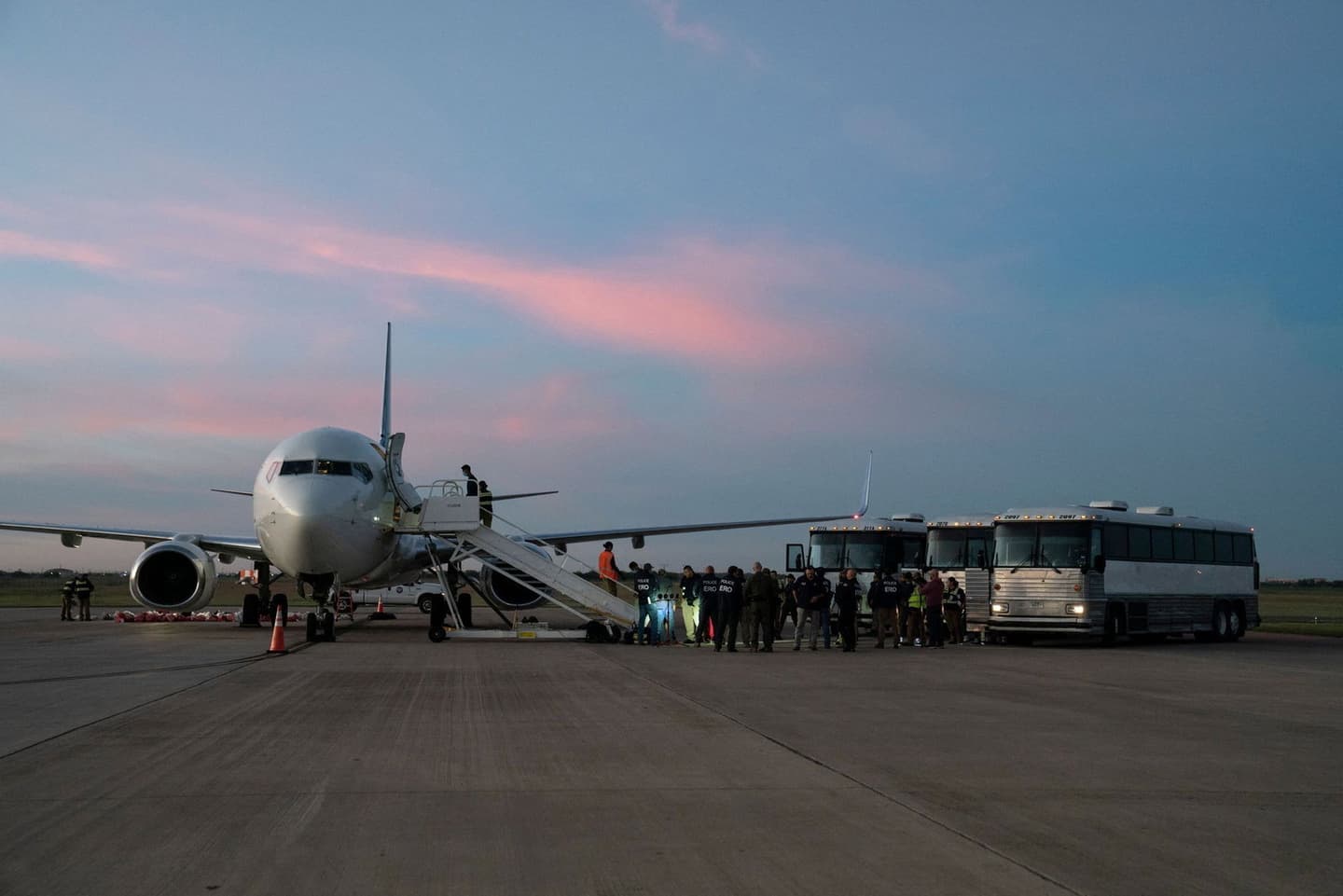
VERONICA G. CARDENAS/AFP via Getty Images/Getty
Source Analysis




What Happened
What Happened
Where Sources Disagree
- Crime Assessment Discrepancy: Internal State Department assessments argue that violent crime rates in several Latin American countries are no more dangerous than in major US cities. However, the agency’s public travel warnings explicitly advise against visiting those same regions, citing persistent threats from violent crime and terrorism.
- Honduran Police Effectiveness: Internal State Department documents assert that Honduran police are willing and able to assist residents; however, policy experts argue this claim overlooks the reality that local police forces frequently collude with organized crime groups.
- Internal Relocation Feasibility: Internal State Department documents assert that asylum seekers can safely move and relocate within their home countries. In contrast, migration experts argue that organized crime groups often pose threats that extend nationwide, rendering internal relocation ineffective for those at risk.
Timeline
October 21, 2026
Experts warn of understated dangers: Migration experts and former USCIS officials warned the assessments understate police collusion with organized crime and overstate the safety of relocation within countries, and noted that lowering perceived threats will likely influence asylum officers' determinations about safe internal relocation.
October 21, 2026
Documents compare crime rates: The new documents distributed to US Citizenship and Immigration Services assert that violent crime in Mexico, Honduras, Guatemala and El Salvador is lower than in some major US cities, and in places (Mexico and El Salvador) claim many areas have violent-crime rates an order of magnitude lower than major US cities.
October 21, 2026
State Dept. shares private assessments: The State Department, while publicly warning Americans about violent crime in parts of Latin America, privately circulated new country assessments to asylum officers and USCIS, arguing conditions in some of those countries are no more dangerous than in parts of the United States; the department says the assessments were prepared by regional experts and shared with US missions overseas.
Summary by Ground AI
Sources
See All 21A varied selection of sources chosen by Ground to reflect the diversity of this story’s coverage.
Most Written About
The stories getting the most coverage from the last 24 hours






Source Analysis
Timeline
October 21, 2026
Experts warn of understated dangers: Migration experts and former USCIS officials warned the assessments understate police collusion with organized crime and overstate the safety of relocation within countries, and noted that lowering perceived threats will likely influence asylum officers' determinations about safe internal relocation.
October 21, 2026
Documents compare crime rates: The new documents distributed to US Citizenship and Immigration Services assert that violent crime in Mexico, Honduras, Guatemala and El Salvador is lower than in some major US cities, and in places (Mexico and El Salvador) claim many areas have violent-crime rates an order of magnitude lower than major US cities.
October 21, 2026
State Dept. shares private assessments: The State Department, while publicly warning Americans about violent crime in parts of Latin America, privately circulated new country assessments to asylum officers and USCIS, arguing conditions in some of those countries are no more dangerous than in parts of the United States; the department says the assessments were prepared by regional experts and shared with US missions overseas.


