California, Colorado Require Age Checks in Operating System Setup
United States
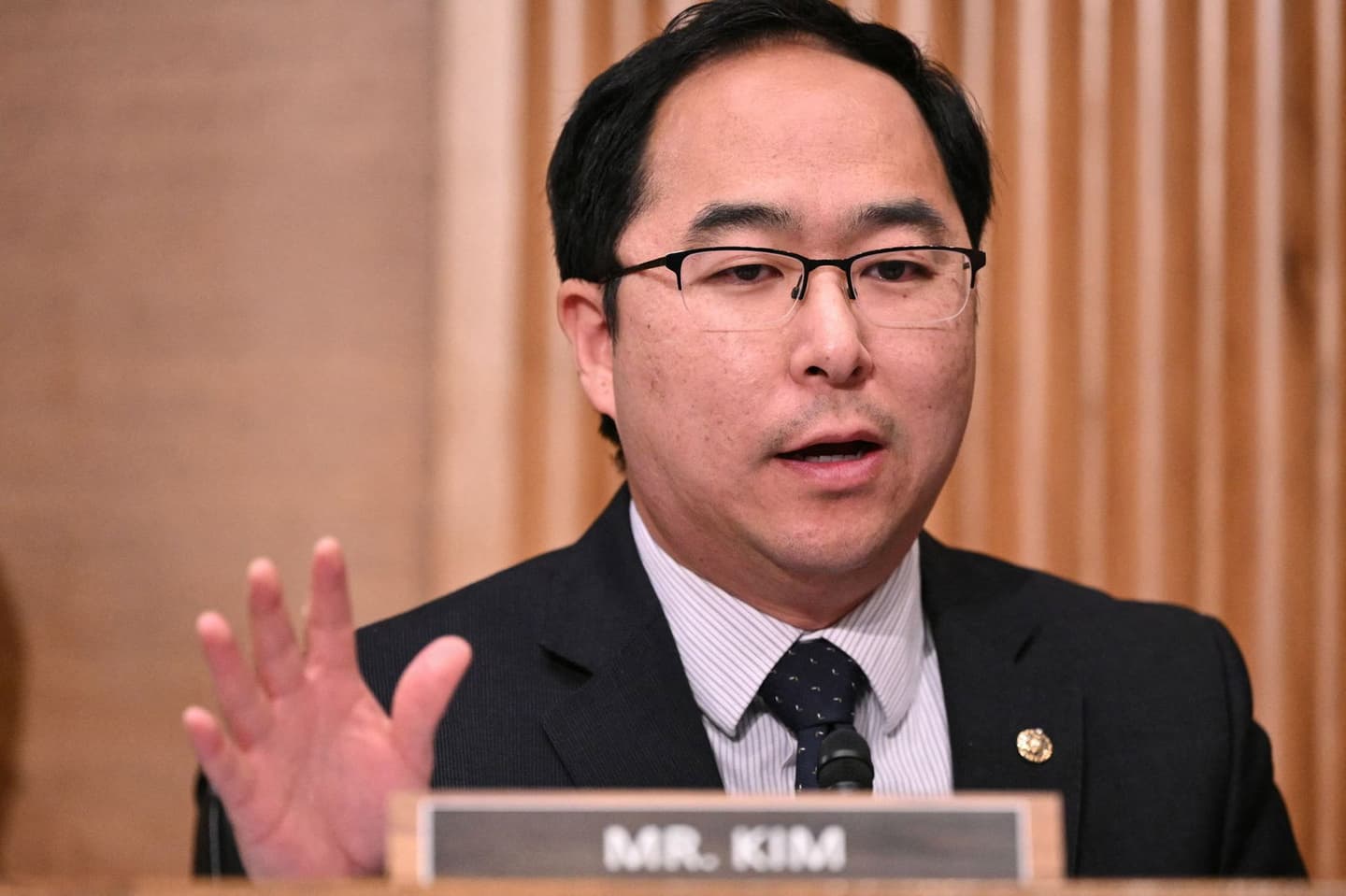
Mandel NGAN / AFP via Getty Images/Getty
Source Analysis



What Happened
What Happened
Timeline
July 22, 2026
Enforcement, verification, and privacy risks: Penalties include fines up to $2,500 per negligent violation and $7,500 per intentional violation per affected child, a liability structure critics say could push firms to verify ages rather than accept declarations. Provisions in Sections 3 and 4 turn the age signal into a gate and require verification when operators receive clear and convincing evidence that the signaled age is incorrect, while Section 4(c) builds in a mandated reporting channel that raises additional privacy concerns.
July 22, 2026
Minor account linking and impacts: Anyone under 17—defined by the bill as a child—must link their account to a parent or legal guardian (except emancipated minors), and devices record who supervises users under 17; critics warn this leaves 16‑year‑olds in abusive households no route to distance from abusers. Even without mandated ID uploads, the setup declaration and recorded supervision are required.
July 22, 2026
OS-level age signaling required: The bill requires devices to collect a user’s date of birth at setup and broadcast a non‑personally identifiable age bracket (under 13; 13–15; 16; or 17+) that apps, app stores, and browsers can request as the primary age indicator. Covered devices include any general-purpose computer or mobile device, and browsers must request the signal on first use and pass it to covered websites when requested.
Summary by Ground AI
Sources
See All 11A varied selection of sources chosen by Ground to reflect the diversity of this story’s coverage.
Most Written About
The stories getting the most coverage from the last 24 hours


Source Analysis
Timeline
July 22, 2026
Enforcement, verification, and privacy risks: Penalties include fines up to $2,500 per negligent violation and $7,500 per intentional violation per affected child, a liability structure critics say could push firms to verify ages rather than accept declarations. Provisions in Sections 3 and 4 turn the age signal into a gate and require verification when operators receive clear and convincing evidence that the signaled age is incorrect, while Section 4(c) builds in a mandated reporting channel that raises additional privacy concerns.
July 22, 2026
Minor account linking and impacts: Anyone under 17—defined by the bill as a child—must link their account to a parent or legal guardian (except emancipated minors), and devices record who supervises users under 17; critics warn this leaves 16‑year‑olds in abusive households no route to distance from abusers. Even without mandated ID uploads, the setup declaration and recorded supervision are required.
July 22, 2026
OS-level age signaling required: The bill requires devices to collect a user’s date of birth at setup and broadcast a non‑personally identifiable age bracket (under 13; 13–15; 16; or 17+) that apps, app stores, and browsers can request as the primary age indicator. Covered devices include any general-purpose computer or mobile device, and browsers must request the signal on first use and pass it to covered websites when requested.


