Federal Reserve Maintains Interest Rates; Two Officials Vote for Hike Amid Persistent Inflation
United States
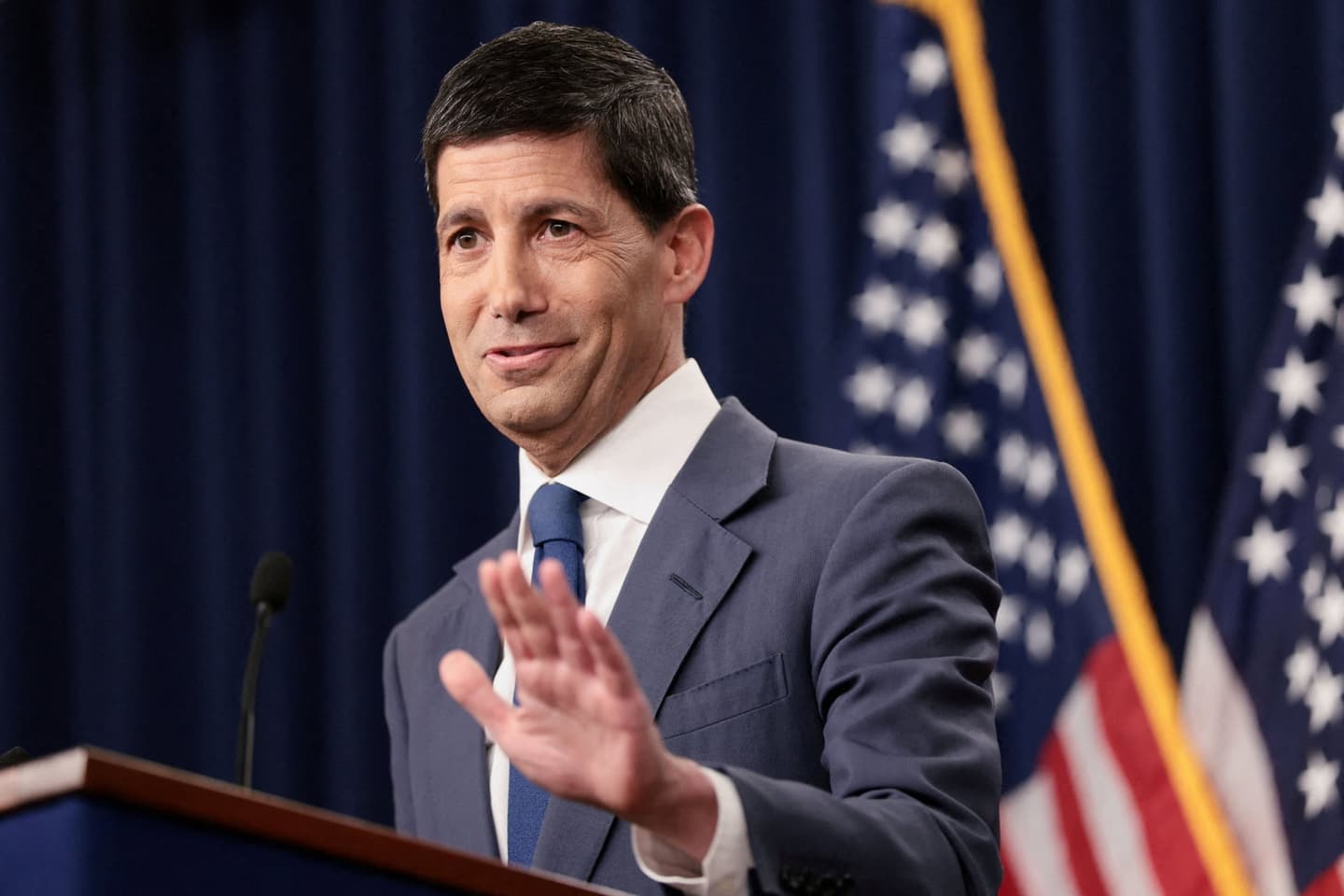
Evelyn Hockstein/Reuters
Source Analysis




What Happened
What Happened
Where Sources Agree
- arrows_inputFed Maintains Benchmark Rates: Some sources suggest the Federal Reserve maintained its benchmark interest rate at 3.75% to 4.00% in a 10-2 vote, opting to wait for further data before determining future policy, according to the official FOMC statement.
- arrows_inputFed Officials Favor Hike: A portion of reporting indicates that Federal Reserve Governor Lisa Cook and Cleveland Fed President Beth Hammack dissented from the central bank’s decision to maintain interest rates, favoring a quarter-point increase, according to official Federal Reserve records.
- arrows_inputFed Maintains Interest Rates: Several reports converge on the Federal Reserve's decision to maintain the benchmark interest rate at 3.75% to 4%; the vote was 10-2, with two officials dissenting in favor of a quarter-point hike amid persistent inflation.
Where Sources Disagree
- arrows_outputMidterm Elections and Fed Policy: Federal Reserve officials maintain their decision to hold interest rates steady was based solely on economic data, denying any political influence. However, some observers and critics argue that the proximity to the upcoming midterm elections played a decisive role in the central bank's reluctance to raise rates.
- arrows_outputEconomic Health Characterization: The Federal Reserve describes the U.S. economy as expanding at a strong, resilient pace supported by robust investment. In contrast, reports on consumer sentiment emphasize that households remain burdened by the high cost of living, with many expressing frustration over persistent inflation impacting daily expenses like gas and groceries.
- arrows_outputSignificance of Dissenting Votes: The Federal Reserve’s 10-2 decision to hold interest rates steady has prompted minor debate, with some viewing the two dissenting votes as evidence of internal committee tension, while others characterize the outcome as a routine procedural result.
Timeline
October 28, 2026
Fed Reorganizes Meeting Schedule: Chair Kevin Warsh announced changes to the Fed's meeting calendar: starting next fall the central bank will dedicate one of eight annual meetings to broad strategy (not voting on rates), rising to two such strategy meetings in 2028. The move was presented as an effort to devote more time to longer-term issues.
October 28, 2026
Markets React: Yields Rise: Following the Fed decision and wider geopolitical uncertainty, Treasury yields rose (the 10-year around 5.03% and the two-year near 4.77%), oil prices climbed (Brent to $111.59 a barrel), and U.S. stocks broadly held steady. Market reaction was described as muted but yields extended their rise.
October 28, 2026
Inflation Remains Elevated: Reports cited that U.S. consumer inflation picked up in September, with consumer prices up 3.7% year-over-year and the Fed noting that "inflation remains elevated," motivating the committee to seek more information before changing policy.
Perspectives and Debates
Summary by Ground AI
Sources
See All 689A varied selection of sources chosen by Ground to reflect the diversity of this story’s coverage.
Most Written About
The stories getting the most coverage from the last 24 hours







Source Analysis
Timeline
October 28, 2026
Fed Reorganizes Meeting Schedule: Chair Kevin Warsh announced changes to the Fed's meeting calendar: starting next fall the central bank will dedicate one of eight annual meetings to broad strategy (not voting on rates), rising to two such strategy meetings in 2028. The move was presented as an effort to devote more time to longer-term issues.
October 28, 2026
Markets React: Yields Rise: Following the Fed decision and wider geopolitical uncertainty, Treasury yields rose (the 10-year around 5.03% and the two-year near 4.77%), oil prices climbed (Brent to $111.59 a barrel), and U.S. stocks broadly held steady. Market reaction was described as muted but yields extended their rise.
October 28, 2026
Inflation Remains Elevated: Reports cited that U.S. consumer inflation picked up in September, with consumer prices up 3.7% year-over-year and the Fed noting that "inflation remains elevated," motivating the committee to seek more information before changing policy.


