Alberta Votes 76% to Remain in Canada, Elections Alberta Says
Canada
Ahmed Zakot/Reuters
Source Analysis



What Happened
Key Implications
What Happened
Key Implications
Where Sources Agree
- arrows_inputReferendum Results Confirmed: Some outlets verify that Alberta voters rejected the path toward separation, with approximately 76% choosing to remain in Canada while about 24% supported starting the legal process for a binding independence referendum, according to Elections Alberta.
- arrows_inputDecisive Rejection of Separation: Various sources establish that Alberta voters rejected a proposal to begin the legal process toward a binding referendum on separation, with approximately 76% of ballots cast in favor of remaining in Canada, according to Elections Alberta.
- arrows_inputSeparatist Movement Future: A portion of reporting indicates that separatist leaders intend to continue their pursuit of independence despite the referendum loss, with organizers stating that 'tonight isn't the finish line' and claiming they have established a lasting political movement, according to multiple reports.
Where Sources Disagree
- arrows_outputSeparatist Movement Significance: While some officials and analysts characterize Alberta's separatist movement as a fringe cause that traditionally attracts only 1-2% of the vote, leaders of the movement argue they have successfully transformed it into a significant and enduring political force.
- arrows_outputReferendum Result Interpretation: While most sources report the 76% vote as a decisive rejection of independence, others emphasize that the 24% supporting a separation process signals persistent frustration with federal policies in Ottawa that remains unaddressed.
- arrows_outputSeparation's Economic Impact: Economic reports from the Calgary Chamber of Commerce project that secession would shrink Alberta's economy by $62 billion annually. In contrast, separatist leaders assert that independence would instead position the province to become the wealthiest country in the world.
Timeline
October 29, 2026 Upcoming
Official Count Pending, Fallout Looms: Elections Alberta warned results remained unofficial and said the agency would release official results on October 29, 2026 at 10 a.m.; the referendum outcome sparked questions about the United Conservative Party's future and internal challenges for Premier Smith as separatist-aligned members weighed next steps. Observers noted the vote would not put Alberta on a legal path to secession and that political fallout and party rifts were likely to continue.
October 20, 2026
Early Count Shows Decisive 'Remain' Win: Unofficial results reported in the early hours of Oct. 20, 2026 showed about 76% (roughly 1.34 million) backed Option 1 to remain a Canadian province, while about 24% supported initiating the legal process for a future binding referendum; media forecasts and CBC projected a clear federalist victory. Political leaders and campaigners on both sides reacted — Premier Danielle Smith welcomed the result, Prime Minister Mark Carney framed it as a vote for national stability, and separatist leaders said their movement would continue despite the setback.
October 19, 2026
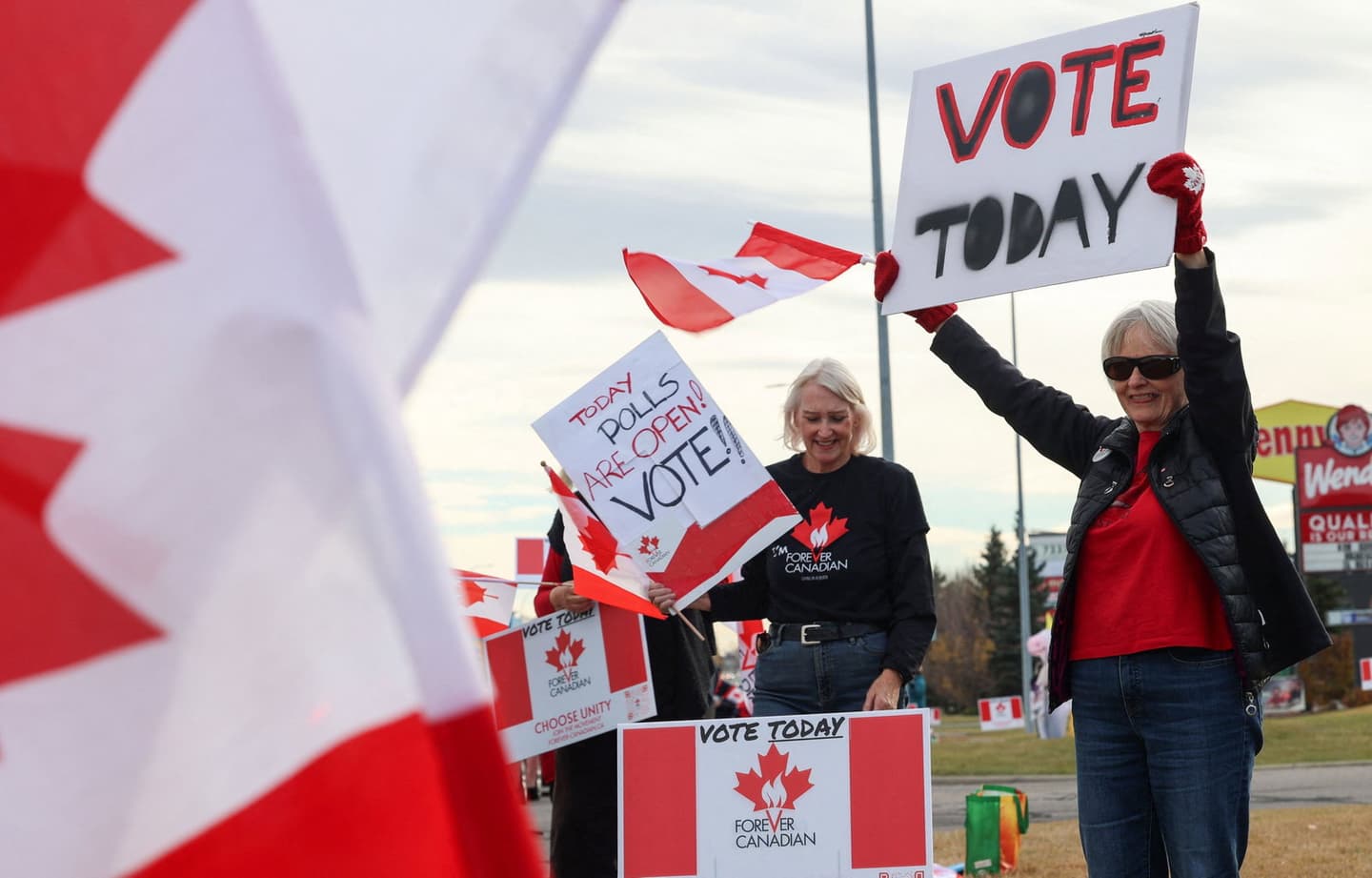
Referendum Day Voting Held: On October 19, 2026 Albertans voted on 10 referendum questions, including the key Question 10 on staying in Canada versus beginning a legal path to a binding separation referendum; advance turnout was high (about 1.3 million had already cast ballots) and more than 100 polling stations extended hours due to late openings. The province ran a $4-million advertising campaign urging voters to remain in Canada and supporters and opponents gathered at watch parties across Edmonton and other centres.
Perspectives and Debates
What was the most consequential result of Alberta's referendum?
Summary by Ground AI
Sources
See All 614A varied selection of sources chosen by Ground to reflect the diversity of this story’s coverage.
Most Written About
The stories getting the most coverage from the last 24 hours




Source Analysis
Timeline
October 29, 2026 Upcoming
Official Count Pending, Fallout Looms: Elections Alberta warned results remained unofficial and said the agency would release official results on October 29, 2026 at 10 a.m.; the referendum outcome sparked questions about the United Conservative Party's future and internal challenges for Premier Smith as separatist-aligned members weighed next steps. Observers noted the vote would not put Alberta on a legal path to secession and that political fallout and party rifts were likely to continue.
October 20, 2026
Early Count Shows Decisive 'Remain' Win: Unofficial results reported in the early hours of Oct. 20, 2026 showed about 76% (roughly 1.34 million) backed Option 1 to remain a Canadian province, while about 24% supported initiating the legal process for a future binding referendum; media forecasts and CBC projected a clear federalist victory. Political leaders and campaigners on both sides reacted — Premier Danielle Smith welcomed the result, Prime Minister Mark Carney framed it as a vote for national stability, and separatist leaders said their movement would continue despite the setback.
October 19, 2026
Referendum Day Voting Held: On October 19, 2026 Albertans voted on 10 referendum questions, including the key Question 10 on staying in Canada versus beginning a legal path to a binding separation referendum; advance turnout was high (about 1.3 million had already cast ballots) and more than 100 polling stations extended hours due to late openings. The province ran a $4-million advertising campaign urging voters to remain in Canada and supporters and opponents gathered at watch parties across Edmonton and other centres.


