Published • loading... • Updated
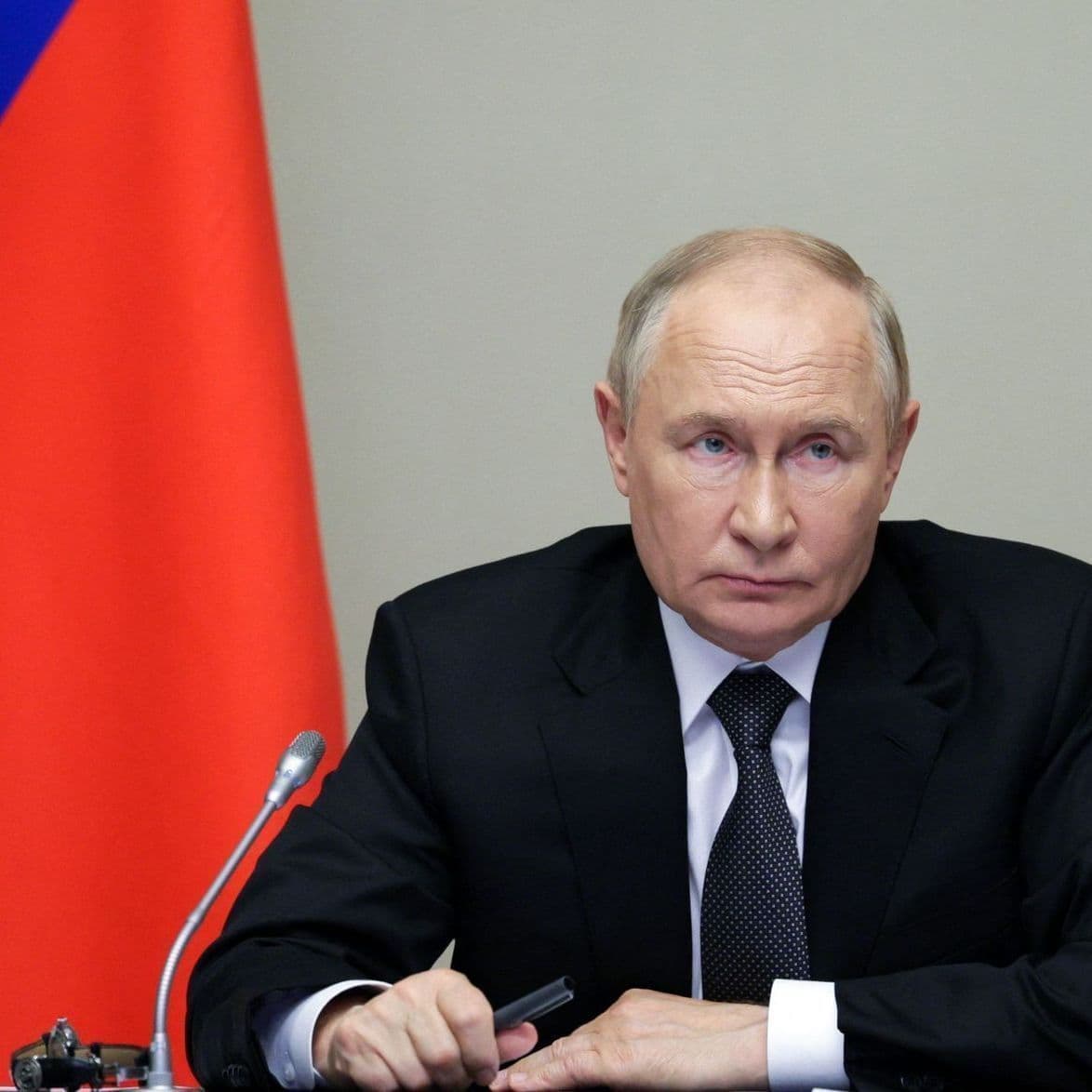
Zelenskyy says letting Russia sell diesel to US is 'investment in war'
Zelenskyy said the deal would give Moscow more money for the war and urged enforceable sanctions relief and de-escalation commitments.
- Ukrainian President Volodymyr Zelenskyy met with a Congress delegation in Kyiv on October 9, warning that easing sanctions on Russia without a binding agreement will enable Moscow to prolong the invasion.
- Russian strikes recently targeted residential and civilian infrastructure in Pryluky, Kramatorsk, Kyiv, Dnipro, Kharkiv, and Odesa, causing dozens dead and hundreds injured while demonstrating the intensified aggression Zelenskyy warned against.
- Kyiv formally proposed a mirror compromise to Western partners: Ukraine will cease strikes on Russian refineries if Russia guarantees a complete end to attacks on Ukraine's energy, port, and logistics infrastructure.
- Zelenskyy expressed skepticism regarding Moscow's willingness to abide by an agreement, warning Russia might seek temporary relief for fuel markets ahead of elections before resuming strikes.
- Demanding a firm stance from Washington, Zelenskyy called for full enforcement of sanctions under the Lindsey Graham Act, noting that past European measures easing sanctions were followed by intensified strikes.
Insights by Ground AI
Podcasts & Opinions
169 Articles
169 Articles

Ukraine was meeting with Trump's negotiators. Then came the news that Trump had signed an energy deal with Russia. - Our delegation is being used as a smokescreen. It's really not fair, says Zelenskyj.
·Stockholm, Sweden
Read Full Article

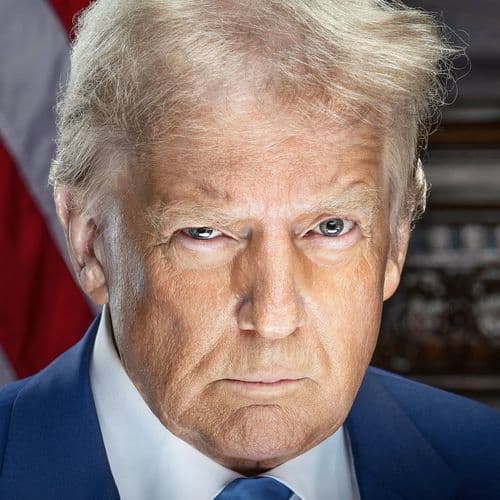
Trump and Putin agree on Russian diesel supplies. Zelenskyy is furious, calling it a weak decision that benefits Moscow amid the Ukraine war.

Ukrainian President Volodymyr Zelinski criticized the agreement announced by United States President Donald Trump on the supply of Russian diesel to the American and global markets, considering that it provided Moscow with additional revenues to finance the war in Ukraine, and did not contribute to peace.
·Syrian Arab Republic (the)
Read Full Article
The gifts to Putin won't work for the world.

Coverage Details
Total News Sources169
Leaning Left29Leaning Right29Center11Last UpdatedBias Distribution42% Left, 42% Right
Bias Distribution
- 42% of the sources lean Left, 42% of the sources lean Right
42% Right
L 42%
C 16%
R 42%


Factuality
To view factuality data please Upgrade to Premium