Published • loading... • Updated
What's in a Wave? How a Kelvin Wave Could Impact Vancouver Island's East Coast
Warm east-coast waters could add up to 30 cm to tides and increase shellfish-borne bacteria risks, Ocean Networks Canada said.
- Vancouver Island is experiencing the 'ENSO impact' this fall, with warm equatorial water layering on top of high tides and adding up to 30 cm of elevation. Ocean Networks Canada acting director of science Jordan Watson explains the phenomenon is elevating sea levels across the region.
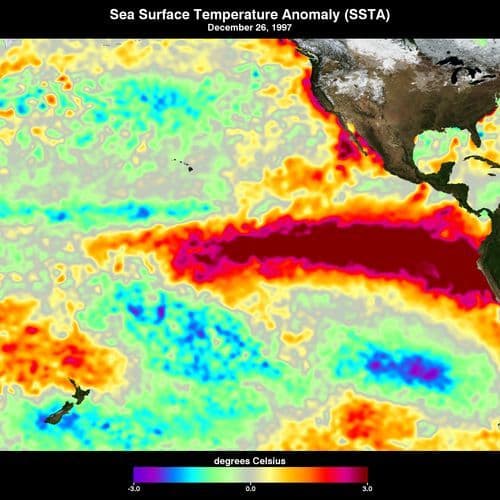
- Potent El Niño conditions cause equatorial trade winds to weaken or reverse, sending warm water sloshing back toward South America. Some of this water travels north along the coastline as a Kelvin wave, expanding as it meets colder water.
- Impacts vary significantly across the island, with western shores experiencing higher water levels compared to the sheltered Salish Sea. Watson explains that geographic features, including Fraser River discharge, dictate how these surges manifest locally.
- For the Comox Valley, warmer temperatures in Baynes Sound may increase bacteria outbreaks in shellfish. Industry monitors are doubling down on water quality checks, and Watson advises residents to remain vigilant regarding local harvest advisories.
- Beyond rising sea levels, altered weather patterns often produce milder, drier winters that reduce snowpacks. This shift affects river systems where salmon eggs and juveniles incubate, though Watson notes predicting exact timing and duration of these changes remains challenging.
Insights by Ground AI
3 Articles
3 Articles


Coverage Details
Total News Sources3
Leaning Left3Leaning Right0Center0Last UpdatedBias Distribution100% Left
Bias Distribution
- 100% of the sources lean Left
100% Left
L 100%


Factuality
To view factuality data please Upgrade to Premium