Why Russia’s Jet-Powered ‘Geran’ Drones Are so Hard to Shoot Down, and What Kyiv’s Falling Interception Rate Means for the Future of the War
Russia is sending more than 1,500 drones in four days, with over half jet-powered, as Ukraine’s interception rate falls, officials said.
- Russian forces have shifted tactics, increasingly deploying fast, jet-powered Geran drones—Russia's version of the Iranian-designed Shahed—that are harder to intercept than older, propeller-driven models.
- Rather than limited nighttime strikes, Russia now launches nearly continuous waves of drones, sending up to 10 jet-powered aircraft roughly every half hour to disrupt daily life.
- Ukrainian Air Force spokesman Yurii Ihnat said on Monday that Russia launched more than 1,500 drones over four days, with interception rates dropping from 88% on August 27 to 79% by August 31.
- Strikes on Kyiv killed 12 people, prompting lawmaker Ruslan Horbenko to suggest designating the region a front-line area, which would provide residents benefits like war-risk insurance.
- Defense industry sources expect Ukraine to develop countermeasures against the new jet-powered threats within the next month, as Ukrainian President Volodymyr Zelensky stated on Sunday that Russia aims to wear down Ukrainians.
20 Articles
20 Articles

After intensifying its ballistic missile strikes during the summer, Moscow has also drastically increased its suicide drone attacks. The Ukrainian capital is currently recording a dozen air alerts a day. Faced with this threat, Ukrainian forces are using their fleet of "Sting" interceptor drones. - "Rather, quieter, harder to intercept": how Kiev is facing the threat of a new Russian jet drone (International).

Russia’s rapid shift to jet-powered drones shows its war factories pose wider threat to Europe (Ukraine Battlefield update, Day 1,651)
With jet-powered Geran drones now slipping through Ukrainian air defences, Russia’s war factories are building a mass drone arsenal that could soon put EU governments and energy grids in a permanent crisis mode.

Russia attacks Kiev and Odessa again with rockets and drones. Especially fast beam drones make the defense difficult and shorten the reaction time.

Why Russia’s jet-powered ‘Geran’ drones are so hard to shoot down, and what Kyiv’s falling interception rate means for the future of the war
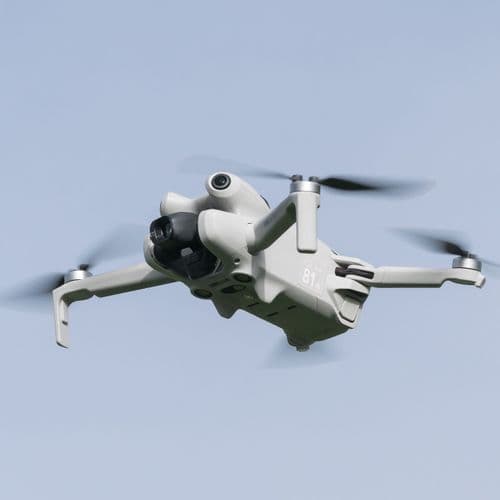
Russian forces have changed how they strike Kyiv, launching nearly continuous waves of drone attacks throughout the day rather than only at night, as they did before. The Russian army is also increasingly using jet-powered Geran drones — Russia’s version of the Iranian-designed Shahed — which fly much faster than older, propeller-driven models and are harder to shoot down.

At least 16 people have been killed in Russian attacks on the Kiev region. Correspondents at home and abroad classify the increasingly tighter attacks as new tactics, often using jet-driven drones.

“If everything freezes every hour in the capital due to a drone, we won’t be able to resist for long,” laments a neighbor of Kyiv
Coverage Details
Bias Distribution
- 45% of the sources lean Left, 44% of the sources are Center


Factuality
To view factuality data please Upgrade to Premium