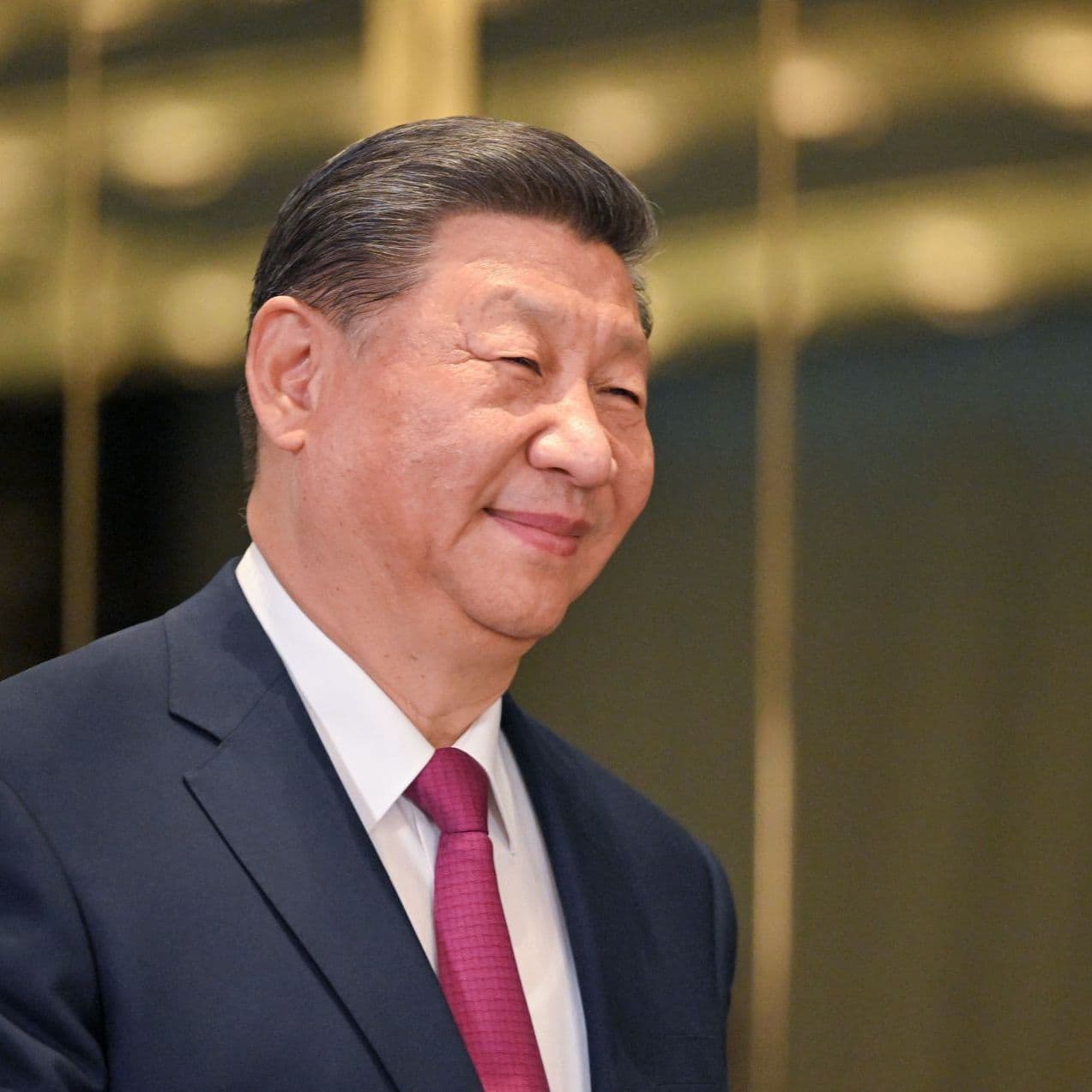
Trump envoys want Russia to include Europe in negotiations on ending war with Ukraine
The push reflects concern that any settlement could fail without European backing, as Russia and Ukraine remain far apart in negotiations.
- The Trump administration is pushing to persuade Moscow to include key European officials in negotiations currently underway in Abu Dhabi aimed at ending nearly five years of war.
- Russia has consistently resisted European participation, insisting on a strict trilateral format involving only Russia, Ukraine, and the United States, even as fighting persists across the power grid.
- In a 60 Minutes interview Sunday, President Trump claimed Moscow and Kyiv are "very close" to a deal despite "tremendous hatred" between Russian President Vladimir Putin and Ukrainian President Volodymyr Zelensky.
- Russian Foreign Minister Sergei Lavrov said Monday that the administration has placed "collective security"—covering a wider area than just the two warring nations—at the top of the agenda.
- If the Abu Dhabi talks succeed, administration aides Steve Witkoff and Jared Kushner could travel to Moscow and Kyiv to meet with Putin and Zelensky to finalize terms for ending the conflict.
12 Articles
12 Articles

Donald Trump's Russian envoys Jared Kushner and Steve Witkoff will press Russia to allow Europe to join the next round of negotiations on continent security, writes Politico, quoting American officials who wanted to remain anonymous to discuss sensitive issues.

US Secretary of State Marco Rubio called US-brokered talks between Russia and Ukraine in Abu Dhabi on Tuesday very productive and said the discussions should be expanded to include Europeans.

Any settlement must respect Ukraine's sovereignty and territorial integrity, says joint statement

Ukraine and Russia return to the table to negotiate end of war For the first time in nine months, representatives of Russia and Ukraine sat down to negotiate end of war. The meeting in Abu Dhabi was mediated by the United States. First, the representatives of Ukraine met with the envoys of the United States, European countries and NATO, the military alliance of the West. Only afterwards with the envoys of Russia. Moscow did not accept the direct…


Coverage Details
Bias Distribution
- 43% of the sources are Center, 43% of the sources lean Right


Factuality
To view factuality data please Upgrade to Premium