Published • loading... • Updated
Takeaways From the Historic Summit Among Trump, Xi and Putin
The leaders signed a joint statement on nuclear risk, but made few concrete commitments on Ukraine, Iran and artificial intelligence, officials said.
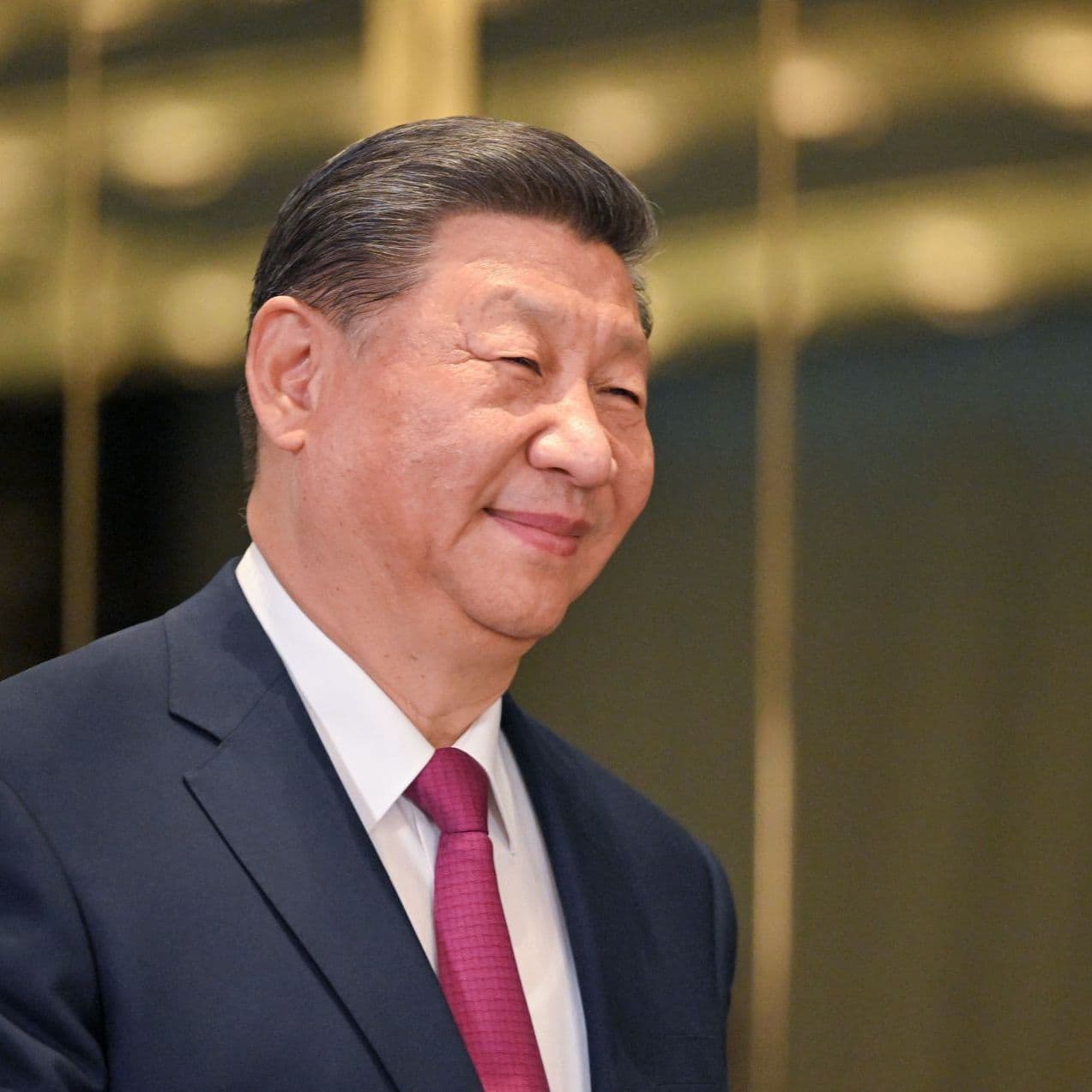
- On Thursday, Chinese President Xi Jinping hosted U.S. President Donald Trump and Russian President Vladimir Putin in Shenzhen for the first trilateral summit of the three leaders, held alongside the Asia-Pacific Economic Cooperation summit.
- Organizers touted the event as 'Yalta II,' invoking the 1945 summit where Allied powers shaped post-war Europe; experts cautioned the comparison is 'a bit of a stretch' given modern geopolitical differences.
- The leaders signed a 'peace declaration' pledging to reduce nuclear risks and pursue United Nations reforms, though the document avoided explicit commitments to downsize stockpiles, favoring continued 'dialogue' instead.
- Beijing successfully kept focus off wars in Ukraine and Iran, as the summit reinforced Russia's standing while allowing China to showcase Shenzhen's transformation from a fishing town of 30,000 in the 1970s to 18 million residents today.
- Russian President Vladimir Putin described the format as 'a useful format' for future meetings, while Trump attended the summit 'actively thinking about his legacy in the final two years in office,' analysts noted.
Insights by Ground AI
Podcasts & Opinions
73 Articles
73 Articles

The Donald Trump Summit, Vladimir Putin and Xi Jinping Summit in China did not lead to agreements on Ukraine, Iran or nuclear arsenals. The Times explains why the Shenzhen meeting demonstrated the limited influence of the super-Powers and why it is impossible to repeat Yalta 1945 today.
·Kyiv, Ukraine
Read Full Article


 PBS NewsHour
Reposted by  BizToc
3 takeaways from Trump, Xi and Putin's historic summit
The meeting between U.S. President Donald Trump, China’s Xi Jinping and Russia’s Vladimir Putin on Thursday was the first-ever sit-down for the leaders of the three countries.
·Arlington, United States
Read Full ArticleCoverage Details
Total News Sources73
Leaning Left14Leaning Right16Center20Last UpdatedBias Distribution40% Center
Bias Distribution
- 40% of the sources are Center
40% Center
L 28%
C 40%
R 32%


Factuality
To view factuality data please Upgrade to Premium