El Niño Just Leveled up to Super Status. Here's What that Means for the Weather
NOAA’s weekly measure reached 2.0 degrees Celsius above average, a threshold forecasters call very strong and unofficially “super,” as El Niño keeps strengthening.
- The National Oceanic and Atmospheric Administration reported El Niño reached a "very strong" threshold, with weekly values hitting 2.0 degrees Celsius, or 3.6 degrees Fahrenheit, above average.
- Forecasters utilize the Relative Oceanic Index, or RONI, to measure sea surface temperatures, subtracting warmth attributed to climate change to capture the "true" strength of the phenomenon.
- Sixteen storms have formed in the Pacific Ocean, while the phenomenon has maintained storm-killing wind shear in the Atlantic, preventing the season's first hurricane.
- Hawaii faces three tropical systems in less than a month, while Indonesia battles widespread wildfires exacerbated by drier conditions linked to the event.
- NOAA forecasts a 75% chance the event will peak by year's end as the strongest occurrence since records began in 1950, according to last week's forecast.
46 Articles
46 Articles


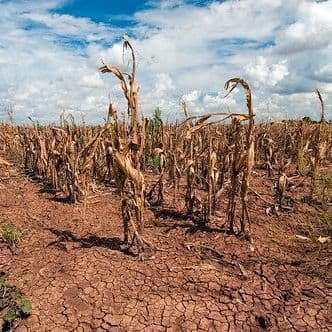
The El Niño phenomenon has reached an intensity categorized as “super”, with ocean temperatures that alter global weather patterns, intensifying hurricane activity in the Pacific and exacerbating droughts and fires in other regions.


Super El Niño is here, and its record-breaking strength is about to reshape America's winter
An El Niño event has strengthened to unprecedented levels, impacting global weather. This phenomenon is defined by warmer Pacific Ocean waters, influencing atmospheric shifts worldwide. Forecasters measure its strength using sea surface temperatures, with current readings indicating a very strong event. Its effects are already visible, including reduced Atlantic hurricane activity and increased Pacific storms. Global temperatures are also climbi…


By Meteorologist Mary Gilbert, CNN An already strong El Niño phenomenon has just become a “super El Niño” as it enters unprecedented territory.This natural climate cycle has been intensifying at a dizzying pace since it first declared itself in June; now it is stronger than the previous one.


Coverage Details
Bias Distribution
- 87% of the sources are Center


Factuality
To view factuality data please Upgrade to Premium