New Famine Risk Haunts War-Torn Sudan with El Niño-Driven Drought
The World Food Programme says the drought is worsening shortages as 5.1 million people already faced severe hunger in June.
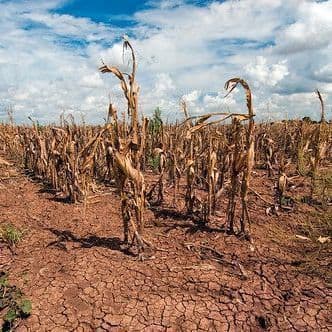
- El Niño-driven drought and searing temperatures are devastating crops and livestock across Sudan's southern agricultural region, compounding challenges from three years of civil conflict and deepening famine risk.
- United States Geological Survey data shows rainfall from July to September was the lowest in 3 decades, with farmer Emad Kabsoor expecting only about 25% of last year's crop yield as searing temperatures scorch fields.
- The World Food Programme had $276 million as of October 17, less than half of last year's budget, while needing an extra $134 million to address severe hunger affecting 5.1 million people.
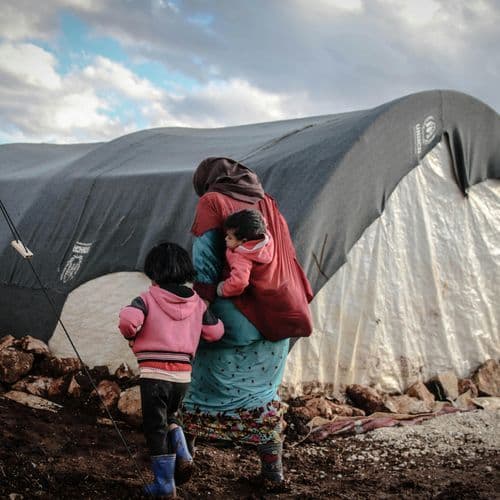
- Adam Rojal, spokesman for the General Coordination of IDPs and Refugee Camps in Sudan, said hunger is now driving mass displacement as aid rations are halved in camps like Tawila. "It's no longer just about bullets," he stated.
- WFP head of programme for Sudan Samuel Clendon forecasts an additional 350,000 people will experience severe hunger by the end of 2026, rising to 1.2 million more by August 2027.
13 Articles
13 Articles


New famine risk haunts war-torn Sudan with El Niño-driven drought


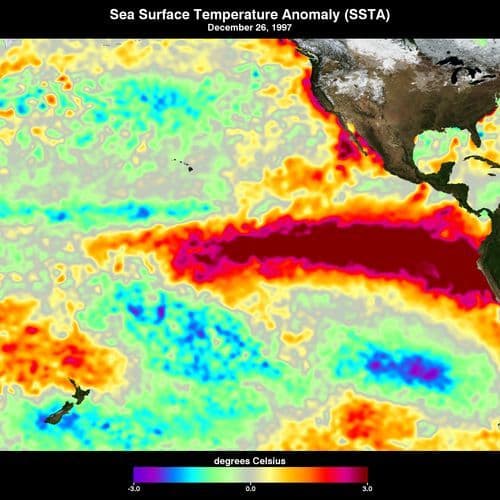
The Sudan faces a new threat to its food security, with drought and rising temperatures exacerbated by the El Niño climate phenomenon, at a time when farmers continue to suffer the consequences of the war that has continued since 2023, hampering their ability to grow and harvest crops.

North Kordofan: Sudanese farmers, who have struggled with crop harvests since the civil war broke out in 2023, are now battling a new enemy that could plunge the nation into famine once again: the weather. El Niño, the climate phenomenon that brings floods to parts of Africa, is bringing high temperatures and drought to Sudan, and has already caused some famine in areas amid the conflict that has lasted for more than three years, particularly in…
Coverage Details
Bias Distribution
- 71% of the sources lean Right


Factuality
To view factuality data please Upgrade to Premium