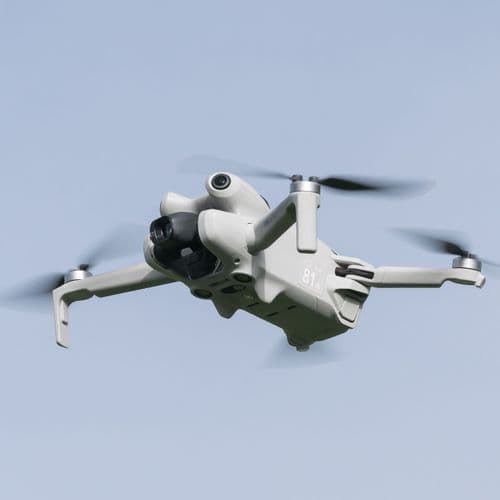
Russian drones kill two people near Ukraine's Kharkiv overnight, governor says
- On Friday, October 30, Ukrainian drones struck three Russian oil refineries and a gas-chemical complex, including the Rosneft-owned Novokuybyshevsk facility, Deputy Prime Minister Alexander Novak said, ending a two-week lull in refinery attacks.
- President Donald Trump announced an 'energy ceasefire' on October 11, prompting the informal pause in refinery strikes, though President Volodymyr Zelenskyy said he knew nothing about the deal, citing continued Russian attacks on Ukrainian infrastructure.
- The Novokuybyshevsk refinery processes nearly 8.8 million metric tonnes of crude annually and produces aviation fuel for Russian forces, making it a high-value target in Ukraine's campaign against Moscow's war financing.
- Novak warned that resumed strikes could reduce diesel supplies to global markets, prompting Russia to extend its export ban on diesel through January 2027 to protect domestic fuel availability.
- Ukrainian forces struck the Kamensky chemical plant in Rostov on Saturday, October 31, damaging four production workshops and igniting a warehouse storing solid rocket propellant, the General Staff announced.
271 Articles
271 Articles

Ukraine has reportedly attacked Russia's fourth largest oil refinery. Videos from Telegram channels show plumes of smoke and flames in Kstovo. Reports suggest a Ukrainian drone strike is behind the attack.


The Ukrainian army announced today that it had carried out attacks on a Russian defense industry factory that produces fuel for rockets and missiles.


Russia's attacks on Ukraine's energy infrastructure in the past 24 hours have caused severe interruptions in electricity supply in several regions. Approximately 280,000 households have run out of power, President Volodimir Zelenski announced on Saturday, according to Kyiv Post and Kyiv Independent. Russian attacks on Ukraine have been fused with five...
Coverage Details
Bias Distribution
- 38% of the sources lean Left, 38% of the sources lean Right


Factuality
To view factuality data please Upgrade to Premium