Polar Vortex Faltering Weeks Earlier than Ever Recorded
- Meteorologists are monitoring an unusually early weakening of the polar vortex, a vast circulation of cold air above the Arctic, raising the possibility of colder weather across parts of Europe, North America, and Asia.
- Scientists have observed signs of disruption as early as this season, an unprecedented development. Major sudden stratospheric warming events have occurred only three times since the 1950s—in 1958, 1968, and 2025.
- "As far as we know, this is the earliest stratospheric vortex disruption that has been observed," European Centre for Medium-Range Weather Forecast scientists Tim Stockdale and Frederic Vitart told AFP. MIT climatologist Judah Cohen explained the vortex is disrupted from below.
- When the vortex weakens or becomes displaced, the jet stream can become distorted, potentially allowing cold Arctic air to spill into lower latitudes. Scientists are assessing the impact on winter weather systems across the Northern Hemisphere.
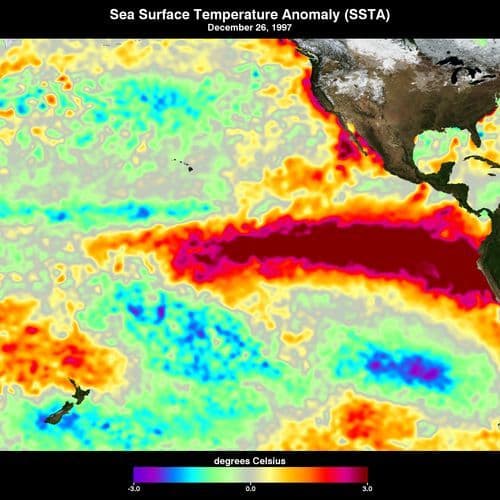
- Increased temperature contrast across Eurasia may amplify Rossby waves, making the polar vortex more likely to be disrupted. Scientists are also examining the influence of the strong Nino in the Pacific on atmospheric circulation.
33 Articles
33 Articles

Meteorologists over the Arctic are monitoring an unusual phenomenon that could affect weather across much of the Northern Hemisphere. The polar vortex, a massive mass of cold air over the North Pole, has been showing signs of weakening since early November, which experts say is unprecedented in modern meteorological measurements. This is increasing the risk of cold fronts across the entire Northern Hemisphere, although the impact of the phenomen…

The world's meteorological community said on Friday that they are monitoring an unprecedented early disruption of the polar vortex, which is increasing the risk of cold waves across the Northern Hemisphere, although the further development of the situation is still unclear.

What is happening over the Arctic has never happened so early. The consequences could hit Germany for the 1st Advent. A weather column of Dominik Jung.

Analysis conducted on Friday, November 6, points to a disruption of the polar phenomenon in the northern hemisphere and an increase in strong winds over the Arctic.

Meteorologists observe an unprecedented and very early weakening of the polar vortex, which increases the risk of cold waves in the northern hemisphere. The impact of the phenomenon remains very uncertain

Meteorologists have detected an early and unprecedented disturbance of the polar vortex, which increases the risk of cold waves throughout the Northern Hemisphere, although there are still uncertainties about what triggered the phenomenon. Shark? Video shows mysterious animal in flooded street in Florida; watch Understand why: China records its fastest drop in CO2 emissions since the pandemic, points out report What is the polar vortex? The pola…
Coverage Details
Bias Distribution
- 57% of the sources are Center


Factuality
To view factuality data please Upgrade to Premium