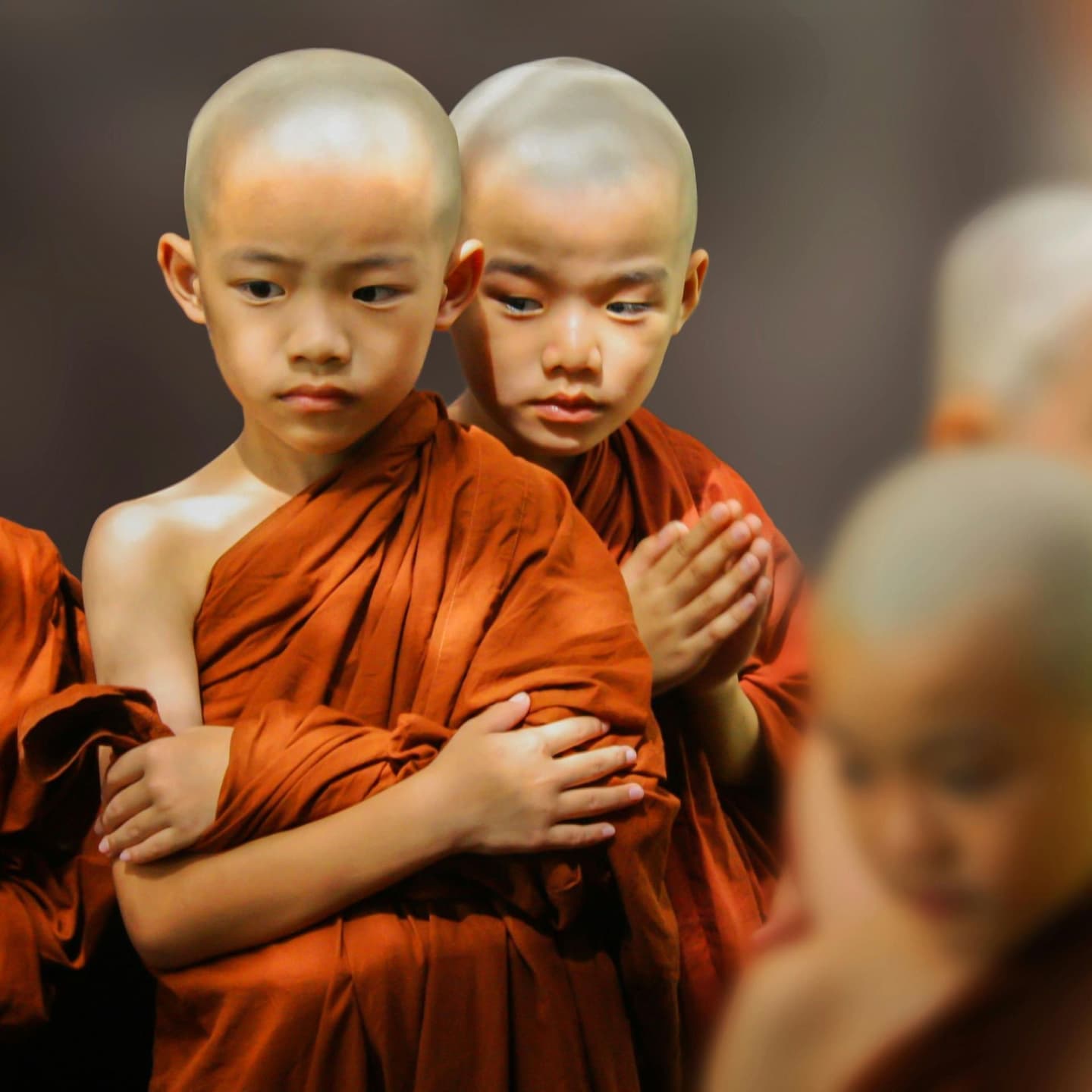
In Buddhism It Should Not Move in the Corpse Until Three Days, because Clinical Death Is Not the Real One. Energies Take Time to Abandon the Body.
4 Articles
4 Articles

Professor of Philosophy and Meditation, Paulo Borges argues that thinking about death can be a way to learn how to live. In this episode of "We Have Time to Die", he talks with Raquel Bulha and anthropologist Clara Saraiva about Buddhism, rebirth, meditation and what changes when we accept one of the few certainties of life: "We know that we are going to leave. We just don't know when, where, or how."
 Sapo
 SIC Notícias
In Tibetan Buddhism, death does not necessarily happen at the moment when the body ceases to function. Paulo Borges explains why he should not move in the corpse for three days and what this tradition believes to happen to consciousness after death. Listen to him here in the podcast ‘We have time to die'

Thinking about death doesn't have to be a gloomy exercise. In this episode of "We Have Time to Die", Paulo Borges explains how the awareness that life is finite can help us to review priorities, stop postponing the essential and live more fully. Listen here to the specialist in Buddhism and meditation
Coverage Details
Bias Distribution
- 50% of the sources are Center, 50% of the sources lean Right


Factuality
To view factuality data please Upgrade to Premium