Myanmar's Rohingya Case: How Does the ICJ Define Genocide?
It is the first time the court has found a state directly responsible, and it can only report Myanmar's noncompliance to the Security Council.
- On Thursday, November 19, the International Court of Justice ruled that Myanmar committed genocide against its Rohingya Muslim minority, marking the first time the United Nations' highest court held a state directly responsible under the 1948 Genocide Convention.
- The Gambia initiated the case, arguing Myanmar's military—the Tatmadaw—committed genocide during 2017 'clearance operations' that the court found demonstrated specific intent to destroy the Rohingya ethnic minority.
- Ruling by nine votes to six, the court set a precedent by evaluating evidence of sexual violence and mass killing, concluding these acts proved the necessary genocidal intent to destroy the Rohingya population in part.
- Israeli officials and legal experts expressed concern the judgment could strengthen South Africa's genocide case against Israel, though Israel maintains its military campaign targets Hamas rather than the Palestinian population, denying genocidal intent.
- South Africa must submit its next written pleading by November 22, 2027, as legal experts note the Myanmar ruling signals a significant shift in how judges assess genocidal intent evidence, though it is not binding on Israel.
171 Articles
171 Articles

The International Court of Justice's ruling against Myanmar increases the likelihood that Israel will be found guilty of genocide against the Palestinians, international law experts believe.

️ICJ ruling against Myanmar on Rohingya genocide sparks alarm in Israel over Gaza case
The International Court of Justice’s (ICJ) ruling that Myanmar committed genocide against Rohingya Muslims during its 2017 military operations in northern Rakhine State has sparked alarm in Israel over South Africa’s genocide...

 Malaysia Kini
 The Star Kuala Lumpur
Malaysia respects ICJ judgment in Myanmar genocide case
Findings are in line with Malaysia's position on the protection of all vulnerable peoples - Foreign Ministry.

On Thursday, 19 November, the International Court of Justice ruled that acts of genocide had been committed against the Rohingya Muslim minority in northern Rakhine State in Burma. Could this unprecedented judgement have an impact on international law?

News in Frames | Living with the wounds of displacement
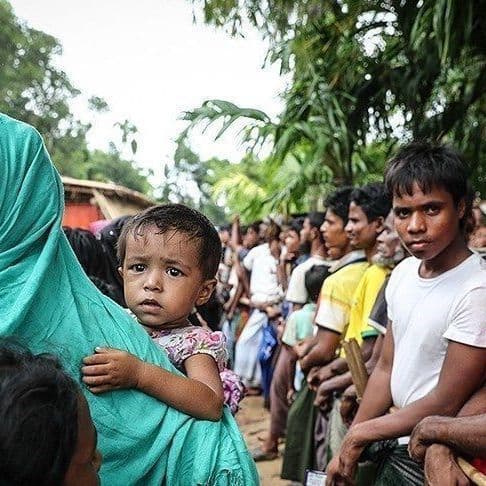
The ICJ ruling that Myanmar committed genocide against the Rohingya is significant, but refugees continue to face the threat of violence and restrictions on humanitarian access, as the situation in their homeland remains precarious
Coverage Details
Bias Distribution
- 45% of the sources lean Left


Factuality
To view factuality data please Upgrade to Premium