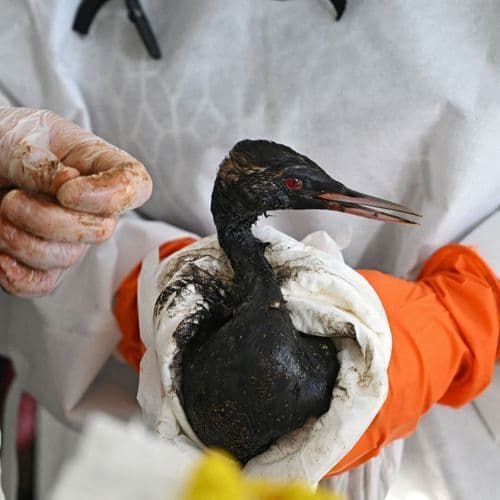
Marine Life Dramatically Declined in Gulf of Mexico in Years After BP Oil Spill, Study Finds
Fish, crustaceans, squid and octopuses fell sharply after the spill, and researchers said the deep Gulf ecosystem has not recovered.
- A new study published Monday found marine life in the Gulf's "twilight zone" plummeted by about 60% following the 2010 Deepwater Horizon explosion, according to Nova Southeastern University biological oceanographer Tracey Sutton.
- The BP-operated well dumped 134 million gallons of oil into the vast, previously unstudied region above the seafloor, with researchers finding little visible recovery among foundational species over 13 years.
- Researchers documented specific population collapses, including a 72% drop in krill, a 63.5% decline in fish, a 62% fall in crustaceans, and a 59.7% drop in squid and octopuses, according to the study published in PNAS.
- University of South Carolina chemical oceanographer Isabel Romero noted that oil and dispersants harmed fish differently, with pollutants accumulating in survivors' eggs and compromising subsequent generations despite sampling in 2022 and 2023.
- Dalhousie University marine scientist Boris Worm warned this sustained damage should inform debates regarding deep-sea mining, while National Science Foundation Director Rita Colwell urged prioritizing oil-munching microbes over chemical dispersants in future accidents.
20 Articles
20 Articles


Marine life dramatically declined in Gulf of Mexico in years after BP
WASHINGTON (AP) — In a deep, dark part of the Gulf of Mexico, the number of marine animals plummeted by about 60% in the years following the 2010 Deepwater Horizon explosion , a new study found. In

 Winnipeg Free Press


Marine life dramatically declined in Gulf of Mexico in years after BP oil spill, study finds
WASHINGTON (AP) — In a deep, dark part of the Gulf of Mexico, the number of marine animals plummeted by about 60% in the years following the 2010 Deepwater Horizon explosion, a new study found.

Fourteen years after the Gulf of Mexico oil spill, endemic fishes face an uncertain future
The 2010 Gulf of Mexico Deepwater Horizon oil spill, the largest accidental spill in history, released almost 100 million gallons of oil, causing significant pollution. A decade later, its long-term effects remain unclear. A study investigating the impact on endemic fish species found 29 of 78 species unreported in museum collections since the spill, suggesting potential loss of biodiversity.

A new study published in the journal PNAS found that the number of marine animals in part of the Gulf of Mexico dropped by about 60 percent after the Deepwater Horizon disaster in 2010.
Coverage Details
Bias Distribution
- 53% of the sources lean Left


Factuality
To view factuality data please Upgrade to Premium