Huawei Nova 16 SE vs Redmi Note 17 Pro: Which Is Worth It?
- On Tuesday, September 15, 2026, Xiaomi launched the Redmi Note 17 Pro and Redmi Note 17 Pro Max in India, intensifying competition in the premium mid-range segment against the Huawei Nova 16 SE.
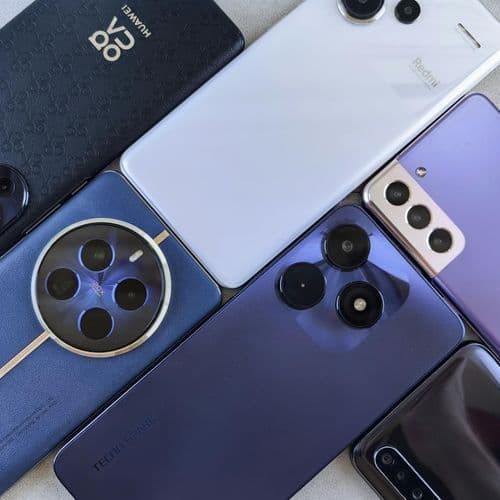
- Both phones launched in 2026 with massive batteries and capable cameras, but the Redmi Note 17 Pro costs ~$235 versus the ~$300 Huawei Nova 16 SE, creating a $65 price advantage.
- While the Nova 16 SE features an 8,000-nit display and WiFi 7, the Redmi Note 17 Pro counters with IP69K durability, OIS-equipped cameras, and full Google Mobile Services access.
- The Redmi runs full Android 16 with native Google Play Store and Gmail support, whereas Huawei's HarmonyOS 6.1 lacks these services, creating daily friction for users accustomed to Google's ecosystem.
- For most buyers outside China, the Redmi Note 17 Pro delivers more for less; the Nova 16 SE remains compelling for those prioritizing exceptional selfie quality and screen brightness.
34 Articles
34 Articles

The Redmi Note 17 Pro and Note 17 Pro Max have been launched in India. Both handsets are launched in the mid-range segment. Both offer many flagship-grade specifications. The company has provided a 10,000mAh battery. Bank offers offer maximum savings of ₹5,000.

Redmi Note 17 Pro and Pro Max featuring up to 10,000mAh battery, arrived in India: Pricing and Specs
Redmi has introduced the Note 17 Pro and Note 17 Pro Max in India, and they will be available on Amazon soon. The Note 17 Pro is powered by a Snapdragon 6s series SoC, while the Pro Max has an octa-core Snapdragon 6 series chipset. The Note 17 Pro Max comes with a massive 10,000mAh […]


Redmi Note 17 Pro, Note 17 Pro Max launched in India with AMOLED displays, large batteries
Xiaomi has launched the Redmi Note 17 Pro and Note 17 Pro Max in India with bigger batteries, new chipsets and AMOLED displays. The pair targets mid-range buyers seeking premium features, durability and longer battery life.
Coverage Details
Bias Distribution
- 38% of the sources lean Left, 37% of the sources are Center


Factuality
To view factuality data please Upgrade to Premium