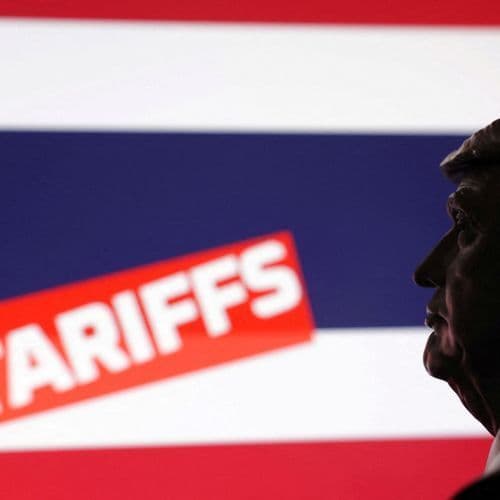
How Import Tariffs Could Impact Montana Grocery Bills
Tariffs could lift grocery costs as higher import expenses move through supply chains and force retailers to pass along increases, Federal Reserve research found.
- Louisiana's food imports totaled $4,003,340,253 annually, with coffee as the state's leading import, leaving residents vulnerable to rising grocery costs amid higher tariffs. The state's reliance on foreign suppliers highlights growing exposure to trade policy shifts.
- The U.S. agricultural trade deficit hit a record $43.7 billion in 2025, up from $31.9 billion in 2024, marking a sharp reversal from historical trade surpluses. Growing reliance on foreign suppliers for coffee, beef, and produce drove this shift.
- Tariffs under President Donald Trump reached an average effective rate of 6.7% as of July 2026, nearly triple the 2.3% average before his return to office. Federal Reserve research found these rising import costs pushed up retail prices gradually.
- Food manufacturers face strategic pressure as higher import costs force them to absorb expenses, raise prices, or reformulate products. Switching suppliers requires qualifying new sources and updating specifications—turning sourcing into a product development challenge.
- Import dependence for oats is projected to reach 53.4% in 2026, underscoring ongoing supply chain reliance. Forecasts suggest the agricultural trade deficit may narrow to $24.5 billion by 2027, though the economy remains sensitive to trade policy shifts.
15 Articles
15 Articles

How Import Tariffs Could Impact Wisconsin Grocery Bills
As national discussions around tariffs and grocery inflation intensify, new data highlights which food items in which U.S. states are most exposed. Conducted by supply chain software provider Trace One, the analysis synthesizes trade and economic data from the USDA,…

Louisiana Ranks #12 for Food Import Exposure as Tariffs Threaten Grocery Bills
As national discussions around tariffs and grocery inflation intensify, new data highlights which food items in which U.S. states are most exposed. Conducted by supply chain software provider Trace One, the analysis synthesizes trade and economic data from the USDA,…


Research Ties Tariffs to Grocery Costs in Import-Exposed States
States vary in their exposure to potential tariff-driven food price increases because many groceries rely on imports; Illinois ranked fifth for food-import exposure, followed by Pennsylvania (sixth), Georgia (eighth), Washington (13th) and Virginia (14th). Research indicates tariffs can raise retail prices as added import costs move through supply chains and reach grocery shelves. · 16 sources across the spectrum on IJR News.
 News-Graphic.com


How Import Tariffs Could Impact Kentucky Grocery Bills
As national discussions around tariffs and grocery inflation intensify, new data highlights which food items in which U.S. states are most exposed. Conducted by supply chain software provider Trace One, the analysis synthesizes trade and economic data from the USDA,…

Pennsylvania Ranks #6 for Food Import Exposure as Tariffs Threaten Grocery Bills
As national discussions around tariffs and grocery inflation intensify, new data highlights which food items in which U.S. states are most exposed. Conducted by supply chain software provider Trace One, the analysis synthesizes trade and economic data from the USDA,…
Coverage Details
Bias Distribution
- 50% of the sources are Center


Factuality
To view factuality data please Upgrade to Premium