Crop Residue Removal for Bioenergy Could Put Farmland Biodiversity at Risk
Researchers say leaving at least 70% of cereal residues on fields supports biodiversity and soil health, while heavier removal could undermine Europe’s green transition.
3 Articles
3 Articles

Even with net zero, it could still be energy versus environment
Without safeguards, bioenergy production in Europe could threaten the continent’s dwindling biodiversity levels. Crop residues and ‘waste’ used to develop biofuels and other renewable sources must be managed or we risk damaging the environment. That’s the overall message from researchers at the University of Surrey, Natural History Museum’s Futures Lab, and Utrecht University in the Netherlands. Europe is developing its bioenergy sector in a bi…


Crop Residue Removal for Bioenergy Could Put Farmland Biodiversity at Risk
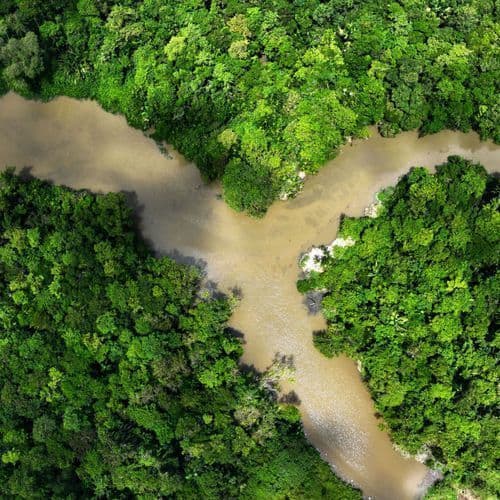
Crop residue management could play an important role in protecting farmland biodiversity as Europe increases renewable energy production. New research from the University of Surrey found that cereal fields retaining at least 70% of crop residues generally supported greater local biodiversity, raising questions about how much material can sustainably be removed for bioenergy.
Coverage Details
Bias Distribution
- 100% of the sources lean Left


Factuality
To view factuality data please Upgrade to Premium