Published • loading... • Updated
Half of Europe faced very strong heat stress this summer, EU scientists say
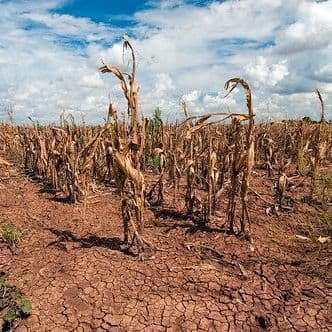
Copernicus said 80% of Europe also faced strong heat stress on a record 41 days, as drought and low river flows disrupted transport and power systems.
- On Friday, the European Union's Copernicus Climate Change Service reported that 52 percent of Europe faced "very strong" levels of heat stress this summer, marking a record-high exposure to health risks.
- Western Europe experienced its hottest summer since records began, with heatwaves beginning unusually early in the spring; fuelled by climate change, the continent endured a relentless series of high-temperature events.
- Copernicus data shows around 80 percent of the continent experienced "strong" heat stress on a record 41 days, with Western Europe recording "very strong" heat stress on 13 days.
- Samantha Burgess, climate lead at the European Centre for Medium-Range Weather Forecasts, noted the heat was "remarkable for its intensity" and "geographical extent," describing it as a defining characteristic of 2026.
- Extreme heat poses significant health risks like heat stroke, especially for outdoor workers and the elderly; Burgess noted the trend is becoming "more widespread and more persistent," contributing to global weather-related mortality.
Insights by Ground AI
61 Articles
61 Articles


Experts talk about a summer marked by interconnected risks: serious impacts on public health, agriculture, transport and energy supply chains, with chain effects still to be assessed
·Rome, Italy
Read Full Article

Record heat stress, extreme drought and the lowest river flows in more than three decades characterized Europe's summer of 2026, according to the latest summary from the Copernicus Climate Change Service (C3S) and the Copernicus Emergency Management Service (CEMS).
·Budapest, Hungary
Read Full Article
A record 52% of Europe's territory experienced intense thermal conditions during the summer of 2026, the EU Climate Observatory said on Friday 2 October.
·Paris, France
Read Full Article
Coverage Details
Total News Sources61
Leaning Left8Leaning Right6Center13Last UpdatedBias Distribution48% Center
Bias Distribution
- 48% of the sources are Center
48% Center
L 30%
C 48%
R 22%


Factuality
To view factuality data please Upgrade to Premium