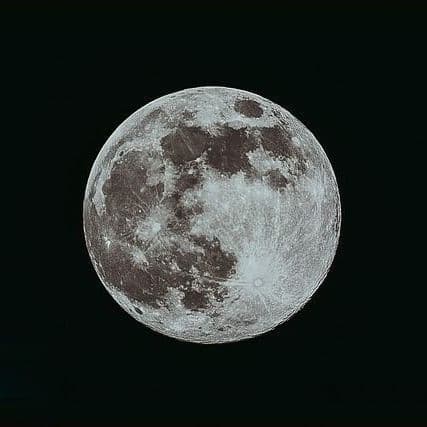
The Largest Moon in the Solar System Is Bigger than Mercury and Hides an Ocean Beneath Its Icy Surface
2 Articles
2 Articles

The largest moon in the Solar System is bigger than Mercury and hides an ocean beneath its icy surface
Ganymede, Jupiter's largest moon, possesses planet-like dimensions and a hidden ocean. This moon is larger than Mercury and contains more water than Earth's oceans. Ganymede also generates its own magnetic field, which is unique among moons. Its layered interior includes an iron core and a rocky mantle. These features make Ganymede an extraordinary and planet-like celestial body.

Ganymede is a moon, yet it is larger than the planet Mercury, may contain more water than exists on Earth's surface, and even generates its own magnetic field, making it less like a conventional moon than a full-sized world that happens to orbit Jupiter.
Calling Ganymede a moon is correct, but it does very little to prepare us for what the object actually is. It is the largest moon in the Solar System, with a diameter of about 5,262 kilometres. It has an iron-rich core, a rocky mantle, an immense layer of water and ice, an old and geologically complicated surface, a thin atmosphere, auroras and a magnetic field generated inside the moon itself. If it travelled around the Sun rather than Jupiter,…
Coverage Details
Bias Distribution
- 50% of the sources are Center, 50% of the sources lean Right


Factuality
To view factuality data please Upgrade to Premium