Floods, landslides kill 15 in India, four in Nepal as rivers rise
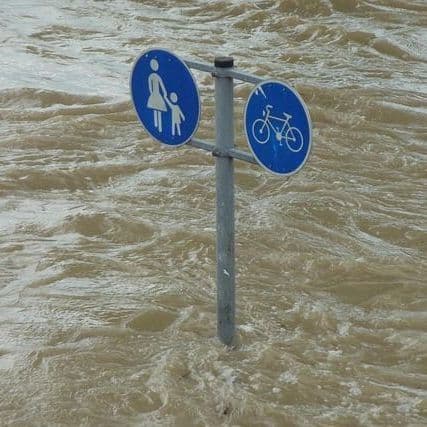
Floods, landslides and an avalanche killed 19 people and left 10 workers missing as rivers rose above danger levels, authorities said.
- Heavy rainfall triggered floods and landslides that killed 56 people in Uttar Pradesh and 12 in Nepal since Thursday, with 46 injured across the Indian state.
- Relief commissioner Hrishikesh Bhaskar Yashod reported that Uttar Pradesh registered 66.5mm of rain from Friday to Sunday, far exceeding the normal 7.6mm, as a depression over the Bay of Bengal intensified rainfall.
- Authorities warned of possible flash floods in 49 of Nepal's 77 districts as water levels rise, while flooding of the Rahuganga River damaged a 40-megawatt hydropower project, disrupting power and telecommunications.
- More than 70,000 people were evacuated in India's eastern state of Odisha after rivers rose due to heavy downpours, while the Central Water Commission reported 30 river-monitoring stations across seven states in a "severe situation."
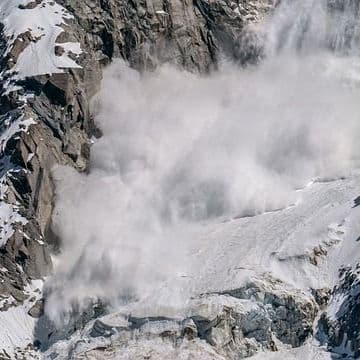
- Rescue operations continue in waterlogged areas across the region, even as an avalanche buried the base camp of the 7,126-metre Himlung Himal in northern Nepal, leaving 10 local workers missing.
152 Articles
152 Articles


Floods and landslides have occurred in northern India and Nepal in heavy rain. At least 68 people died according to local data.

Heavy rains in the northern Indian state of Uttar Pradesh have caused flooding and landslides, killing at least 56 people.

Torrential rains accompanied by storms left at least 56 dead in three days in northeastern India, in Uttar Pradesh State, the most populous in the country, the government disaster management agency reported on Sunday.

Deadly storms in South Asia: Severe rains, floods and landslides have killed at least 70 people in India and Nepal. Dozens of others have been injured or are considered missing. While rescue forces are deployed in flooded areas, the authorities are already warning of further floods.
Coverage Details
Bias Distribution
- 53% of the sources lean Right


Factuality
To view factuality data please Upgrade to Premium