Why Is the Haze so Bad in Southeast Asia This Year?
Health officials said respiratory illness cases linked to the fires reached 283,270, while delayed rainfall is expected to slow the haze.
4 Articles
4 Articles
 The Economic Times
 Times of India
Why is the haze so bad in Southeast Asia this year?
Indonesia's prolonged wildfires have blanketed Southeast Asia in hazardous haze, driving respiratory illness cases higher, disrupting flights and forcing school closures. More than 637,000 hectares were reportedly damaged between January and August, according to environment group Auriga. The crisis has triggered regional criticism over Jakarta's response and refusal of neighbouring countries' assistance.

Explainer-Why is the haze so bad in Southeast Asia this year?
JAKARTA, Oct 15 (Reuters) - Months of sustained wildfires in Indonesia have caused a spike in respiratory illnesses and blanketed several Southeast Asian countries in hazardous haze, with Singapore and Malaysia also hit badly over the last week. The po...

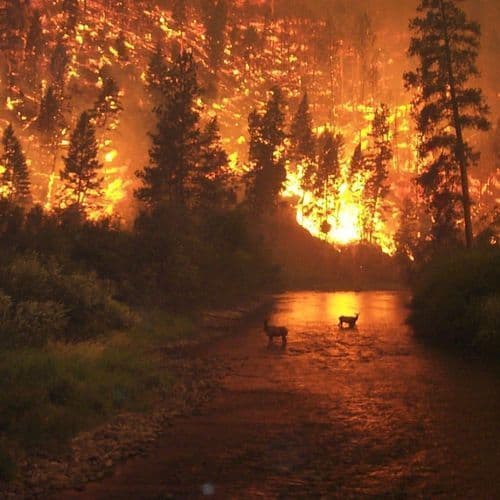
The haze has spread to Singapore, Malaysia, and the Philippines, triggering a cross-border public health crisis. According to forest monitoring data, Indonesia recorded over 1 million wildfire hotspots this year, burning nearly 900,000 hectares of land. Air quality in many parts of Kalimantan and Sumatra remained at dangerous levels, with some areas having their skies tinged orange-red by thick smoke. Tens of thousands of people sought medical a…
Coverage Details
Bias Distribution
- 67% of the sources are Center


Factuality
To view factuality data please Upgrade to Premium