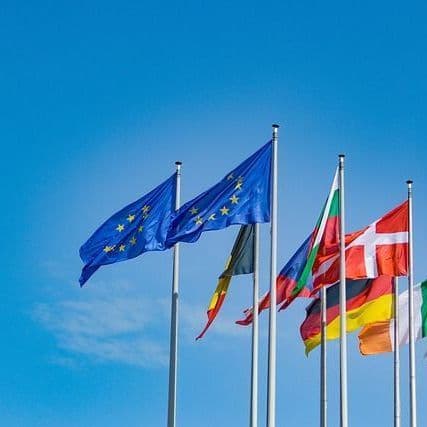
Explainer-What are the UK and EU carbon markets and what does linking them mean?
Once linked, an allowance from either market could be used for compliance in the other, though both sides must still ratify the deal.
- On Friday, Britain and the European Union agreed to link their emissions trading systems during an EU-UK summit, allowing companies to use allowances from either market for compliance.
- Both schemes cover emissions from power generation, industry, aviation, and shipping, creating "carbon permits" that companies must buy or hold for each tonne of CO2 they emit.
- Energy UK estimates the measure could save British industry around £800 million a year, while the EU levy currently applies to £7 billion worth of British exports to the bloc.
- Opposition Conservative leader Kemi Badenoch argued that carbon levies have harmed British industries and wants to remove them completely rather than deepen EU ties.
- The deal requires ratification on both sides and technical and legal steps remain before the link takes effect; Britain will launch its own Carbon Border Adjustment Mechanism on January 1, 2027.
11 Articles
11 Articles


The UK and EU Are Linking Carbon Markets. The Factory Power Bill Came First - Energy News Beat
London and Brussels agreed on Nov. 20 to join their emissions-trading systems from 2028 and, if legal steps follow, to drop carbon border taxes on each other’s goods. The latest official U.S. state auctions settled between about $32 and $40 an allowance. Britain’s large industrial users paid more than twice the EU-plus-UK median price in […]

The European Union and the United Kingdom have concluded negotiations to interconnect their emission trading systems, [...]

The European Union and the United Kingdom concluded on Friday (20) negotiations to interlink their emission markets, with the aim of putting the connection into operation from 2028 onwards, increasing liquidity and helping companies avoid billions of euros in carbon tariffs at the border. Read more (11/20/2026)
Coverage Details
Bias Distribution
- 75% of the sources are Center


Factuality
To view factuality data please Upgrade to Premium