EU Study Warns Pesticide Import Curbs Risk Lifting Food Prices
The study adds to warnings from 19 countries that tighter residue limits could disrupt trade and make imported food more expensive.
- A European Union Joint Research Centre study found proposed pesticide import curbs risk increasing consumer prices, with potential 41 percent drop in agricultural imports across the bloc.
- The European Commission proposed these measures in December to streamline safety legislation, aiming to "ensure a level playing field" for EU producers amid trade deal concerns.
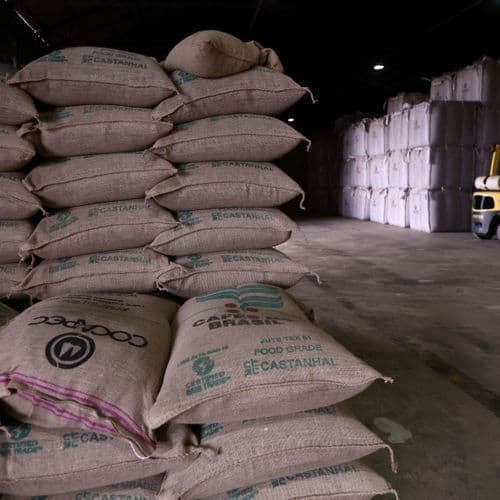
- Under a worst-case scenario, the JRC research suggests consumers could face a 332 percent increase in coffee prices and 82 percent for citrus fruit, affecting 235 commodities.
- Nineteen countries including Canada, the US, and Australia raised concerns at a World Trade Organization meeting, while the USDA warned of a "zero-tolerance approach" destabilizing supply chains.
- Ireland, currently holding the Council presidency, plans to present a compromise next month, with legislation undergoing separate discussions in the European Parliament and member states.
12 Articles
12 Articles

Producers outside the EU are warning of huge price increases if an EU plan to ban residues of some of the most dangerous pesticides in imported agricultural products is implemented - What a study by a European Commission research center showed, the dilemma of Brussels

Coffee prices could rise by up to 332 percent and citrus prices by 85 percent, the research center estimates.

EU double standards on pesticides exposed, amid warning of coffee and citrus price spikes
The EU plans to liberalise rules on pesticides used by European farmers, while simultaneously tightening controls on those contained in imports to the bloc, which could drive a major spike in prices. That was the conclusion of a study published on Tuesday (11 August) by the EU’s Joint Research Centre, the commission’s in-house think-tank. It found that lowering maximum residue levels (MRLs) for imported food and feed to the limit of quantificati…

Even higher prices for coffee, orange juice and berries in muesli are thus fixed: A recent report by the European Commission's Joint Research Centre (JRC) confirms that new EU plans will bring a further increase in price against an already low pesticide load. To reduce pesticide residues in imported goods to a technical zero level would lead to a shortage and thus even more expensive products: In a worst-case scenario – if non-European producers…


EU Study Warns Pesticide Import Curbs Risk Lifting Food Prices
Coverage Details
Bias Distribution
- 45% of the sources lean Right


Factuality
To view factuality data please Upgrade to Premium