Published • loading... • Updated
El Nino 'wrecking ball' could cause record Pacific temperature rise, UN says
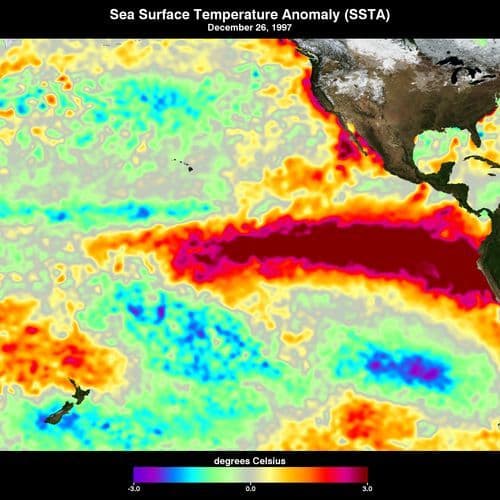
Japan’s weather agency said temperatures in the monitoring area were 4 C above normal, signaling a record-strength event that could drive drought and flooding worldwide.
- On Wednesday, the World Meteorological Organization warned of an unprecedented El Niño event, predicting central Pacific temperatures will rise 3.8 degrees Celsius above normal between November and January, peaking around December.
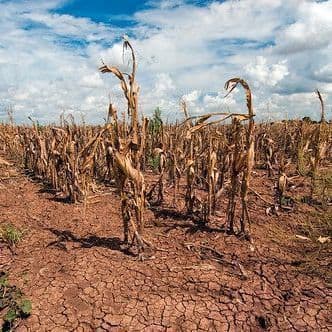
- WMO Secretary-General Celeste Saulo noted the event surpasses previous records of around 3 degrees Celsius, describing the weather pattern as a 'wrecking ball' that will cause floods and severe droughts worldwide.
- United Nations Under-Secretary-General for Humanitarian Affairs and Emergency Relief Coordinator Tom Fletcher warned that 50 million people could face increased hunger across Latin America, Africa, and Asia due to extreme weather impacts.
- Disruptions to rainfall patterns will trigger severe drought in Southeast Asia and Southern Africa starting in November, while the WMO projects increased rainfall and flooding risks for Latin America.
- While El Niño is a natural climate cycle, global warming can intensify these events; Kelvin waves have already battered Long Beach, California, in recent weeks, signaling the pattern's real-world reach.
Insights by Ground AI
293 Articles
293 Articles

El Nino could be unprecedented, may rise to 3.8°C above average between Nov-Jan: WMO
A peak is likely in December, with weather patterns to be disrupted globally, including higher than normal temperatures and weaker rainfall in south and southeast Asia, including India
·New Delhi, India
Read Full Article

Tom Fletcher specifically warned that this phenomenon "will open up Latin America, East and Southern Africa, Asia and the Pacific with extreme heat, droughts and floods," which could increase food insecurity for up to 50 million people worldwide.
·Caracas, Venezuela (Bolivarian Republic of)
Read Full Article


The United Nations called for 'anticipated' measures to protect populations most exposed to the climate phenomenon, which should peak at the end of 2026.
·São Paulo, Brazil
Read Full ArticleCoverage Details
Total News Sources293
Leaning Left31Leaning Right44Center44Last UpdatedBias Distribution37% Center, 37% Right
Bias Distribution
- 37% of the sources are Center, 37% of the sources lean Right
37% Right
L 26%
C 37%
R 37%


Factuality
To view factuality data please Upgrade to Premium