Pierre Echoes Need for Stronger Regional Trade as Panama Canal Disruption Threatens Import Costs
Canal authorities say the cuts will preserve water as drought and El Niño strain a route that carries 5% of global trade.
- On Sept 14, the Panama Canal announced further traffic reductions as the Nino phenomenon intensifies, forcing the waterway to slash daily transits to an average of 29.5.
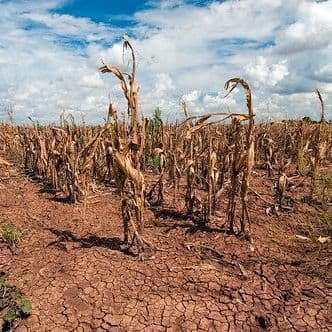
- Severe drought in Central America driven by Nino is reducing water availability in the Panama Canal watershed, which is critical for operating the locks that lift and lower ships.
- Daily transit slots have already been reduced from 34 to 32 to preserve water; a record auction payment of US$5.3 million for a priority slot demonstrates rising shipping costs.
- Prime Minister Philip is urging Caribbean countries to focus on local solutions, including improving ferry connections and strengthening linkages between agriculture and tourism to mitigate import risks.
- The CPSO urges importers to discuss routes and inventory planning with carriers for the 2027 dry season, while promoting a framework for intra-regional production to substitute for vulnerable long-haul imports.
49 Articles
49 Articles

Pierre echoes need for stronger regional trade as Panama Canal disruption threatens import costs
As droughts at the Panama Canal push up shipping costs, Prime Minister Philip J. Pierre is urging Caribbean countries to focus on local solutions. He suggests improving ferry connections, increasing agricultural production and building stronger links between tourism and agriculture. Pierre was responding to a warning from the CARICOM Private Sector Organisation that low rainfall […] The article Pierre echoes need for stronger regional trade as P…

Traffic on the Panama Canal is limited due to a decrease in water levels due to severe drought
Traffic on the Panama Canal is limited due to a decrease in water levels due to severe drought. According to AFP, in October, the number of ships passing through the channel will be 18% less than in August.The Panama Canal accounts for 5% of...

The Panama Canal plans to reduce the number of ships in transit to an average of 29.5 per day as of October, owing to the drought associated with El Niño, at a time when the Canal is becoming increasingly important for world trade.
 SWI swissinfo.ch
 udgtv
udgtvThe Panama Canal plans to further reduce the transit of ships due to the drought caused by the El Niño phenomenon, after a first restriction in force since September 4, announced Monday the administration of the route.

In Panama it is too dry because of the particularly strong El Niño this year. Therefore, the Panama Canal will soon be allowed to sail fewer ships. This is not good news for the global economy.

Due to the drought caused by the El Niño weather phenomenon, the Panama Canal Authority announced on Monday that it plans to further reduce the number of ships passing through it.
Coverage Details
Bias Distribution
- 43% of the sources lean Right


Factuality
To view factuality data please Upgrade to Premium