Democrats' First 100 Hours, Outstanding Midterm Races, Trump Doubles Down On Policies : Up First from NPR
6 Articles
6 Articles

Democrats Plan First 100-Hour Legislative Offensive Against Trump, but Presidential Veto Could Block Major Reforms
Democratic leaders are preparing immediate votes to reverse Trump administration policies on health care, tariffs and the Iran war, although Senate filibuster rules and the ... The post Democrats Plan First 100-Hour Legislative Offensive Against Trump, but Presidential Veto Could Block Major Reforms first appeared on [your]NEWS.

Leaked! Hakeem Jeffries’ nasty 100-hour anti-Trump blitz – The...
Soon-to-be House Speaker Hakeem Jeffries has a nasty 100-hour blitz against President Donald Trump planned for the minute he takes the gavel in the House of Representatives. Democrats won’t take control of Congress until early January, but they already know what they want to do first. The initial targets are... Read More The post Leaked! Hakeem Jeffries’ nasty 100-hour anti-Trump blitz appeared first on The Horn News - Proudly American, Fiercel…


Democrats' First 100 Hours, Outstanding Midterm Races, Trump Doubles Down On Policies : Up First from NPR
Democrats are preparing an ambitious opening agenda for their new congressional majority, including efforts to restore health subsidies, reverse Medicaid cuts, rein in tariffs and challenge the war with Iran.Two Senate races remain undecided as Democrats continue gaining ground in places Republicans once considered safe, underscoring how dramatically the electorate shifted in the midterms.President Trump says the war with Iran hurt Republicans a…

FIRST 100 HOURS: Democrats Plot Sweeping Anti-Trump Offensive as President Vows to Veto Their Agenda
Democrats are preparing an aggressive legislative and investigative campaign against President Donald Trump when they assume control of both chambers of Congress in January, with plans to challenge his healthcare policies, tariffs, and military operations in Iran during their first 100 hours in power. But despite their midterm election victories, the party faces a major obstacle: Trump retains the authority to veto legislation, and Democrats do not have the votes to override him without significant Republican support. The incoming Democratic majorities are developing a rapid-fire legislative agenda intended to demonstrate their priorities immediately after taking office. Their proposals could encounter resistance not only from the White House but also from Senate procedural rules that generally require 60 votes to advance legislation over a filibuster. Overturning a presidential veto requires approval from two-thirds of both the House and Senate, a threshold Democrats cannot reach independently. Consequently, even legislation approved by both chambers could be rejected by Trump unless enough Republicans break with the president. Trump has already warned Democrats that winning congressional majorities does not give them unrestricted power to implement their agenda. “They are in control, but they’re really not in control,” Trump told Fox News following Tuesday’s elections. “They can send over 50 different, great bills that they’re all excited about, and I send them back with a nice stamp veto.” According to a Thursday report in the New York Post, Democratic leaders intend to move quickly when the new Congress convenes, potentially bringing major proposals directly to the House floor rather than allowing them to spend weeks or months moving through the traditional committee process. House Minority Leader Hakeem Jeffries of New York, who is positioned to become speaker, has identified healthcare affordability and Trump’s trade policies as central targets of the initial legislative push. Among the proposals being considered are reinstating enhanced Affordable Care Act subsidies, reversing nearly $1 trillion in Medicaid spending reductions, and rolling back tariffs imposed by the Trump administration. Jeffries has pledged “bold, dramatic change” following the elections, portraying the Democratic victories as a mandate to confront the administration’s policies. “Fighting for an affordable America, that’s what unites Democrats all across the country,” Jeffries said while describing the party’s agenda ahead of the election. Democratic leaders are hoping that swift congressional action will put pressure on Trump to either negotiate or publicly reject legislation addressing issues such as healthcare costs and consumer prices. However, the party’s own ideological divisions could complicate those efforts. Progressive lawmakers are advocating broader changes than some moderate Democrats are prepared to support, creating potential disagreements over which proposals should receive priority. Sen. Bernie Sanders of Vermont and other progressive figures are promoting measures that would lower the Medicare eligibility age to 55, broaden federal benefits, and establish stronger restrictions on artificial intelligence development. While Democrats may struggle to enact legislation over Trump’s objections, their control of Congress will provide substantial authority in areas that do not require the president’s signature. Congressional committees will be able to conduct investigations, issue subpoenas, and summon administration officials for hearings. A Democratic Senate could also delay or reject Trump’s judicial nominees, potentially complicating his efforts to fill vacancies on the federal bench. Among the subjects expected to attract scrutiny are financial dealings involving Trump family businesses, federal immigration enforcement practices, and the administration’s handling of the Jeffrey Epstein investigation. Rep. Robert Garcia of California, who is expected to lead the House Oversight and Government Reform Committee, signaled the confrontational approach Democrats may adopt with a brief warning on election night. “Lawyer up.” The party could also initiate impeachment proceedings against Secretary of War Pete Hegseth, whose handling of military operations has drawn criticism from Democrats and some Republicans. Even if the House voted to impeach him, however, conviction and removal would require a two-thirds majority in the Senate. Democrats are also considering congressional war powers measures intended to restrict Trump’s military campaign against Iran. Such legislation could face a presidential veto, requiring substantial bipartisan backing to become law. Despite the anticipated confrontation, Jeffries has indicated that Democrats would remain open to negotiating with the White House on issues where common ground can be found. Sen. Peter Welch of Vermont has also urged his colleagues to avoid allowing investigations and political disputes to consume the party’s agenda at the expense of the economic issues that helped propel Democrats to victory. “We can’t turn this into just a vengeance tour,” Welch said. Democratic leaders have also spent months preparing for the transition. Jeffries established five policy working groups addressing healthcare, housing, groceries and consumer goods, energy and utility costs, and caregiving. Each group pairs moderate and progressive lawmakers in an effort to develop proposals capable of winning support across the Democratic caucus. The planned investigations are expected to extend beyond the issues already identified. Democratic lawmakers are examining possible inquiries into cryptocurrency ventures associated with Trump’s family, federal contracting decisions, government spending, and the activities of the Department of Government Efficiency. Republicans and White House officials have rejected allegations of wrongdoing and warned that Democratic investigations could become politically motivated efforts to undermine the administration. The incoming majority will also have to settle internal disagreements over how aggressively to pursue impeachment and other confrontational measures. Some Democrats favor an expansive oversight campaign, while others are urging the party to concentrate on healthcare, inflation, and other economic concerns that dominated the election. For now, Democratic leaders are preparing legislation and committee investigations simultaneously, setting up an immediate confrontation with the White House when Congress reconvenes in January. {Matzav.com}

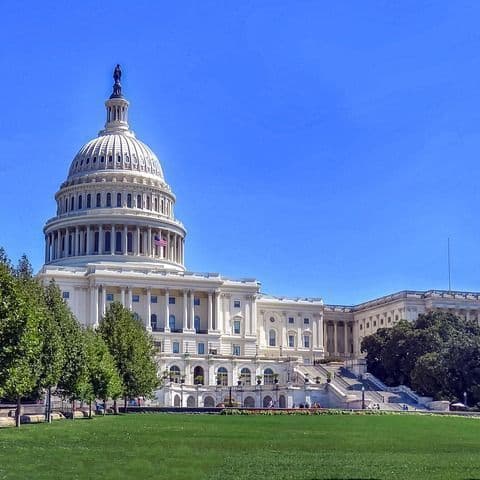
The new US Congress is scheduled to open on January 3, 2027, ushering in a period where the Democratic Party will both fulfill its campaign promises and confront the Trump administration.
Coverage Details
Bias Distribution
- 75% of the sources lean Right


Factuality
To view factuality data please Upgrade to Premium