WHO endorses lifestyle changes over GLP-1 drugs in child obesity fight
The guidance urges diet, exercise and behavior changes first, while allowing GLP-1 drugs only for older adolescents after supervised programs fail.
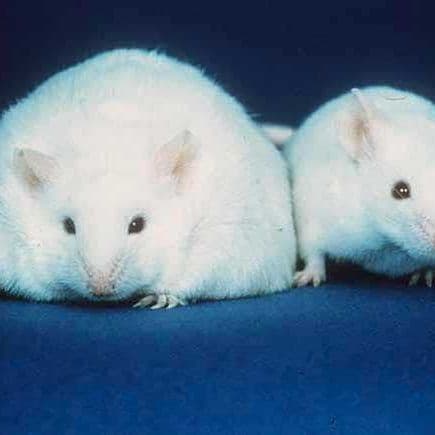
- On Wednesday, The World Health Organization released its first global guidelines recommending diet, exercise, and counseling over weight-loss drugs for managing rising obesity among children and adolescents.
- Obesity prevalence among those aged 5 to 19 has quadrupled since 1990; about 400 million people were overweight in 2024, including 170 million living with obesity.
- For children under 10, WHO endorsed diet, physical activity, and behavioral support instead of medication, while adolescents aged 10 to 19 may consider drugs only after supervised interventions fail.
- Novo Nordisk's Wegovy and Saxenda are already approved for adolescents 12 and older in the United States and European Union, while bariatric surgery is an option after six months of failed treatment.
- Luz Regil, director of the Department of Nutrition and Food Safety, noted there is "currently insufficient evidence" on GLP-1 drugs, though researchers are monitoring efficacy trials for potential reassessment.
156 Articles
156 Articles

Weight-Loss Drugs for Kids Under 10? The World Health Organization Shares Its Recommendation
The World Health Organization (WHO) just released its first global guidelines on treating obesity in children and adolescents, and its stance on weight-loss drugs for children under 10 is a firm no. The guidelines (released Oct. 7) also advise against weight-loss surgery and weight-loss devices for children up to age 9. Instead, WHO recommends structured […]
 The Times of Northwest Indiana


WHO backs lifestyle changes over GLP-1s for kids
The World Health Organization recommended diet, exercise and counseling over popular weight-loss drugs Wednesday in its first global guidelines addressing rising obesity among younger children.

WHO recommends structured interventions including diet, physical activity, and behavioral changes for obese children and adolescents.

World Health Organization contradicts Robert F. Kennedy Jr.’s proposal for fighting childhood obesity, saying the effect of a high-protein diet is ‘uncertain’ amid the secretary’s push for more
The World Health Organization (WHO) released new recommendations to combat childhood obesity that contradict a key component of Health and Human Services Secretary Robert F. Kennedy Jr.‘s strategy to address the growing health crisis. Robert F. Kennedy Jr. vs. obesity Robert F. Kennedy Jr. recommends consuming 1.2 to 1.6 grams of protein per kilogram of body weight daily. BY: MEGA Kennedy has made fighting childhood obesity a central priority du…


Coverage Details
Bias Distribution
- 44% of the sources are Center


Factuality
To view factuality data please Upgrade to Premium