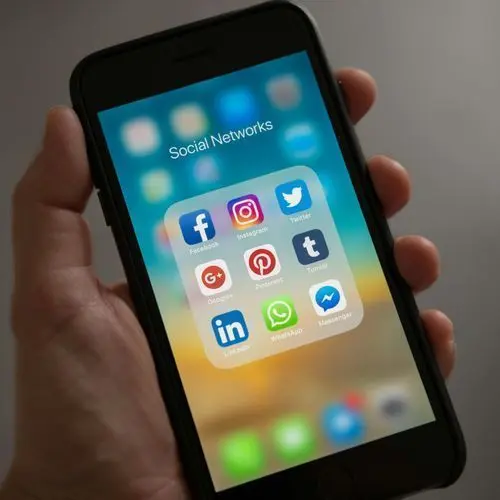
Can social media bans protect young people’s mental health? Early research suggests that bans aren’t the answer
Preliminary research says teens quickly bypass restrictions, while age checks can add privacy risks and still leave young people exposed to harmful content.
- More than 20 countries, including Australia and the U.K., have enacted or proposed social media bans for minors, citing mental health concerns as a primary motivation for the restrictions.
- A 2026 study found young people are more than 100% more likely to experience mental illness than 50 years ago, yet more than 85 percent of Australian teens circumvented the nationwide ban within months.
- Age verification requirements force platforms to collect sensitive personal data; last year, Discord reported a breach of a third-party service, exposing at least 70,000 images of users' government IDs.
- Bans disproportionately affect Black, Brown, and LGBTQ+ teens for whom online platforms provide vital community support; significantly more Black young people rate social media as important for connecting with others.
- Experts advocate for "safety by default" standards, mandating stronger data privacy and algorithmic controls to protect minors while preserving access to essential information and support networks.
14 Articles
14 Articles


To this day, scientific evidence does not allow us to state that a widespread ban will improve their mental health alone.
 The Conversation


Can social media bans protect young people’s mental health? Early research suggests that bans aren’t the answer
Countries are banning social media in hopes of helping with the youth mental health crisis. Anna Barclay/Getty Images News via Getty ImagesThe year 2026 has been an expensive one for social media platforms. Since March, YouTube and Meta, the parent company of Instagram and Facebook, have settled or paid out in multiple lawsuits to the tune of more than US$17 billion for allegedly acting negligently, deliberately designing their platforms to hook…

A 12-year-old girl explained to researchers at the University of Melbourne, Australia, how it was possible to mock the facial recognition of social networks that estimated age: "Someone used a Santa beard. And it worked."
 MIT Technology Review
 mnnofa.com
Kids are outsmarting social media bans. That’s not a problem we need to solve.
Social media bans are stacking up. In July, France joined Australia in restricting minors from accessing social media—barring children under 15 from major platforms, before the ban was blocked by the country’s top court on human rights grounds. The UK aims to forbid kids under 16 from accessing Facebook, TikTok, and other platforms in early…

Coverage Details
Bias Distribution
- 70% of the sources are Center


Factuality
To view factuality data please Upgrade to Premium