Air Pollution May Damage Brain Immunity and Increase Dementia Risk
Researchers tracked 475,325 UK adults for up to 14 years, and the link held after allowing for smoking, diabetes and age.
4 Articles
4 Articles

Animal experiments have revealed the mechanism by which ultrafine dust impairs the function of brain immune cells, damages the blood-brain barrier, and increases the risk of dementia. This is considered to have laid the groundwork for the future development of new dementia prevention and treatment methods by identifying the biological causal relationship between air pollution and dementia.

Air pollution may damage brain immunity and increase dementia risk
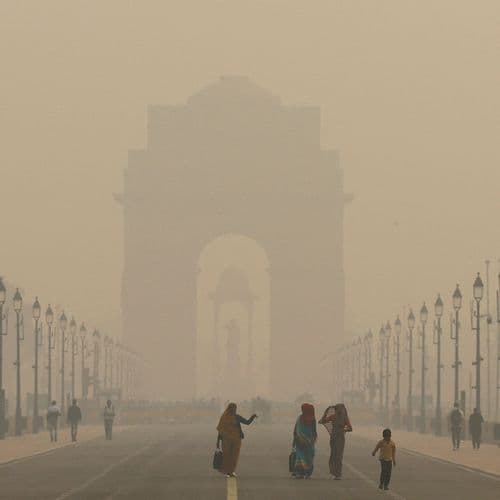
Tiny particles of air pollution-the microscopic soot and dust from traffic, industry and wildfires-may damage the brain by changing how its immune cells behave, according to a new study by researchers at Case Western Reserve University, University Hospitals and the Louis Stokes Cleveland VA Medical Center.


Air Pollution Reprograms Brain Immune Cells, Raises Dementia Risk by 25%
How do microscopic soot and wildfire smoke particles injure the brain? Combining health records from 500,000 people with inhalation experiments, researchers foundPM2.5 air pollution raises dementia risk by 25% and reprograms brain immune cells.
Coverage Details
Bias Distribution
- 50% of the sources are Center, 50% of the sources lean Right


Factuality
To view factuality data please Upgrade to Premium