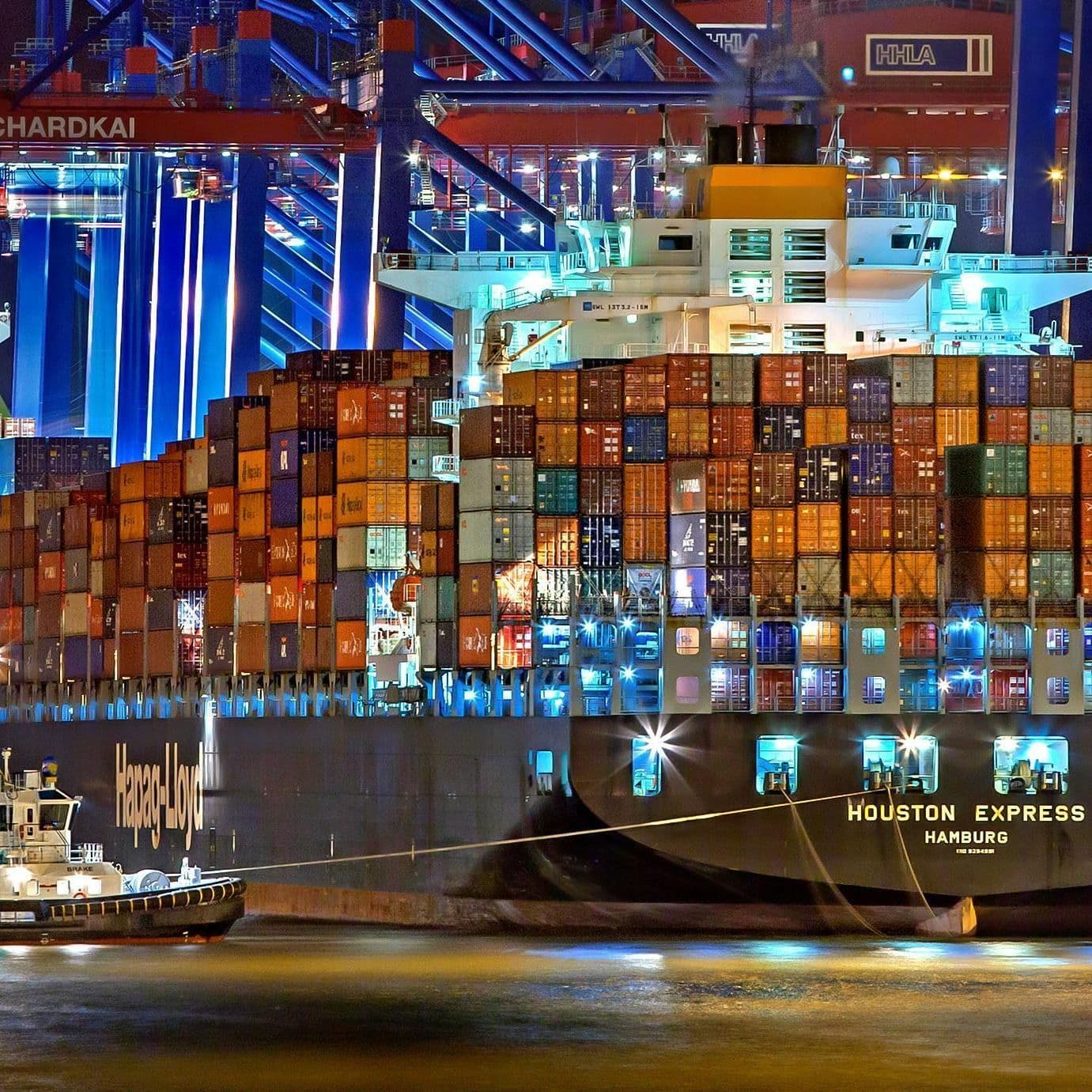
Tanker Shuttles Keep Hormuz Oil Moving as Costs Soar
ADNOC and other Gulf producers are using ship-to-ship transfers to bypass Strait of Hormuz risks, with Kpler estimating 2.5 million bpd moved in September.
- The Abu Dhabi National Oil Company expanded ship-to-ship shuttle operations off Oman, creating a floating logistics network to maintain crude exports amid escalating regional conflict in the Middle East.
- Following Iran's blockade of the Strait of Hormuz, regional instability forced producers to develop alternative export routes to bypass active conflict zones like the Bab el-Mandeb Strait.
- September shipments reached around 2.5 million barrels per day via this method, accounting for roughly 40% of the total volumes moving through Hormuz as producers struggle to keep exports flowing.
- As Red Sea routes became ineffective, Saudi Aramco increased reliance on these transfers while freight rates for crude surged to above $30 per barrel, marking a record high according to LSEG data.
- While the global energy market is "adapting to today's heightened geopolitical risk," Keshav Lohiya, CEO of HiLo Analytics, noted the Middle East's oil trade remains increasingly inefficient and dependent on expensive patchwork solutions.
11 Articles
11 Articles

Hormuz Shuttles Keep Oil Flowing, But At a High Cost
A new shuttling system is reshaping the Middle East oil market, as producers seek to keep exports flowing despite the escalating regional conflict. The question now is whether this complex, expensive process is a stopgap measure or the global energy market’s new normal.


More than a million dollars a day to charter a single tanker. The oil market has become so extreme due to the war with Iran, the risky passage through the Strait of Hormuz, and the lack of available ships that the price of transporting oil from the Persian Gulf to Asia has jumped 12-fold in just a few months. Record shipping costs are already being passed on to the price of oil, and the consequences could be felt by the entire global economy thr…
Coverage Details
Bias Distribution
- 86% of the sources are Center


Factuality
To view factuality data please Upgrade to Premium