Published • loading... • Updated
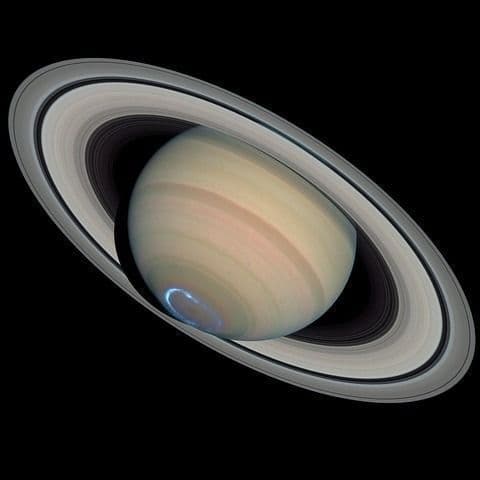
A moon does not necessarily need much warmth from a star to keep water liquid. If it follows a slightly stretched orbit around a giant planet, relentless gravitational flexing can heat its interior—much as Jupiter helps sustain Europa’s buried ocean—meaning habitable environments could exist far beyond the classical habitable zone, sealed beneath kilometres of ice.
Summary by Space Daily
1 Articles
1 Articles

A moon does not necessarily need much warmth from a star to keep water liquid. If it follows a slightly stretched orbit around a giant planet, relentless gravitational flexing can heat its interior—much as Jupiter helps sustain Europa’s buried ocean—meaning habitable environments could exist far beyond the classical habitable zone, sealed beneath kilometres of ice.
The familiar habitable zone is drawn as a ring around a star. Too close, and surface water boils away. Too far, and it freezes. Somewhere between those limits, a rocky world with the right atmosphere might keep an ocean exposed to the sky. There is a quiet but important word in that definition: surface. As NASA defines it, the classical habitable zone is the distance from a star at which liquid water could exist on a planet’s surface. It was nev…
·Australia
Read Full ArticleCoverage Details
Total News Sources1
Leaning Left0Leaning Right0Center1Last UpdatedBias Distribution100% Center
Bias Distribution
- 100% of the sources are Center
100% Center
C 100%

Factuality
To view factuality data please Upgrade to Premium