NASA Satellites Track Record-Warm El Niño As Pacific Sea Levels Rise
NOAA says there is an 83% chance the strongest El Niño since 1950 is unfolding as satellites map warming seas and shifting winds.
- On Monday, October 12, 2026, the Copernicus Climate Change Service reported sea surface temperatures in the Pacific's Niño3.4 region reached an "all-time high" of 29.70°C in September, "underscoring the exceptional intensity of the current El Niño."
- Occurring every two to seven years, the El Niño-Southern Oscillation is a natural warming cycle of the tropical Pacific, but interaction with man-made global warming complicates how scientists compare its current intensity to past events.
- Japan's weather agency declared on Friday that El Niño conditions had reached their "strongest intensity on record," while Copernicus stated it "cannot yet say that the current El Niño is the strongest ever recorded."
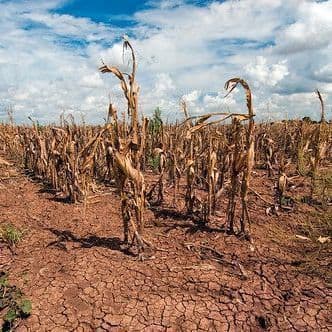
- Global weather patterns are shifting with increased risks of drought and floods, while International Monetary Fund chief Kristalina Georgieva warned she is "very concerned" about impacts on food security in vulnerable regions.
- Copernicus director Carlo Buontempo stated the phenomenon is "likely to last into 2027," with a new run of months exceeding 1.5°C above pre-industrial levels, raising risks of record-breaking global temperatures in the coming year.
206 Articles
206 Articles

According to experts, this is a wake-up call for a massive depletion of the entire ecosystem.

Impressive satellite images of the Nasa prove that the color of the largest ocean is changing. This is due to a huge natural phenomenon under the surface – which could be a harbinger for even greater changes.

NASA satellites reveal striking ocean color change as Super El Niño strengthens
The upcoming Super El Niño is changing the color of the ocean, according to satellite images from NASA. A side-by-side comparison of satellite data from 2025 shows that the equatorial Pacific Ocean typically appears green throughout the year. But as the El Niño weather pattern develops, the area has become measurably bluer.


NASA's PACE satellite, launched into space, has detected a historic Super El Niño phenomenon in the Pacific Ocean, causing the sea water to change color from emerald green to a deep blue.

Coverage Details
Bias Distribution
- 39% of the sources are Center


Factuality
To view factuality data please Upgrade to Premium