USDA Proposes SNAP Rule to Limit Automatic Eligibility in 46 States
United States
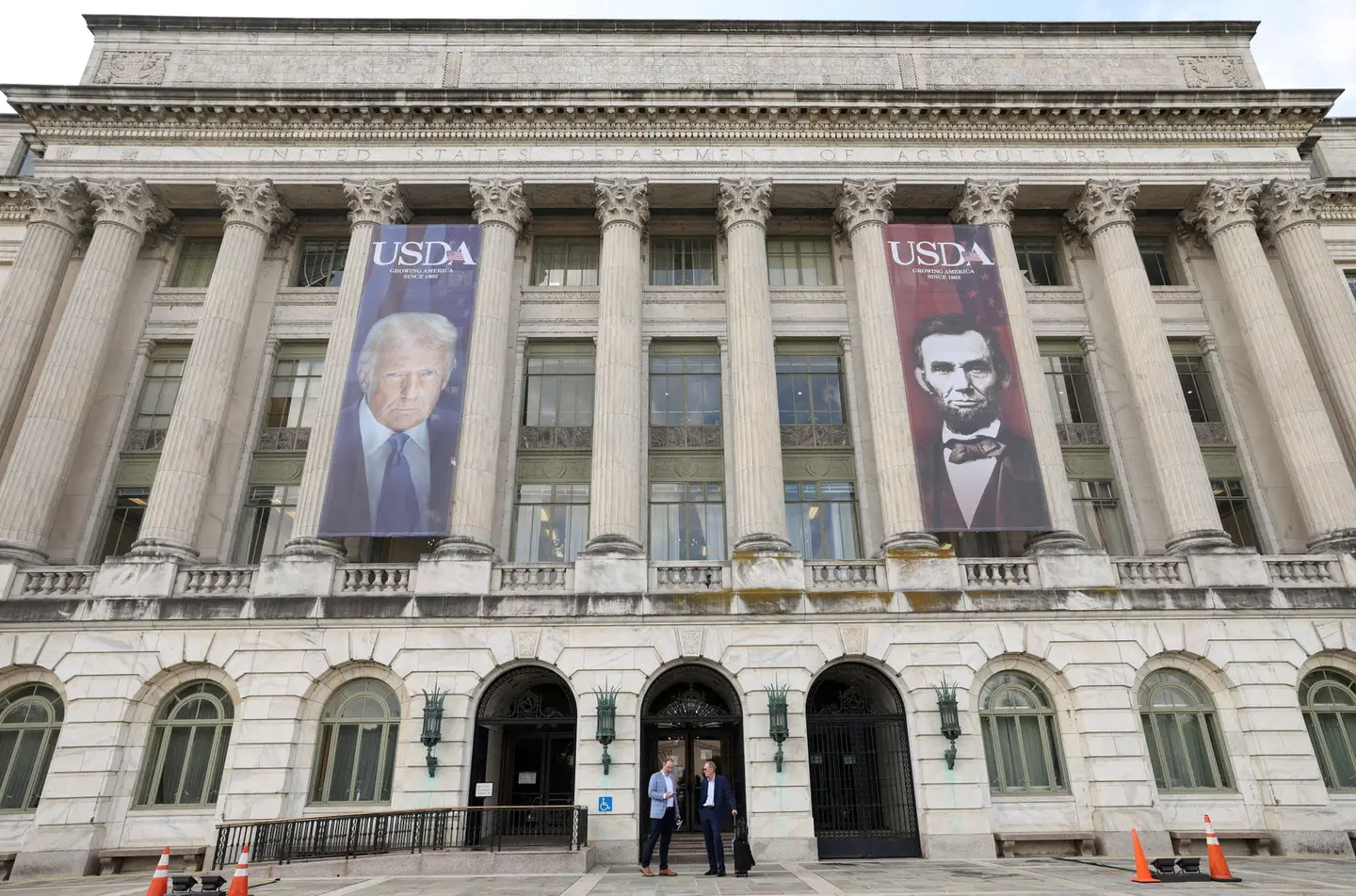
Kevin Lamarque/Reuters
Source Analysis



What Happened
Key Implications
What Happened
Key Implications
Where Sources Disagree
- arrows_outputSNAP Eligibility Reform Debate: The Trump administration contends that proposed SNAP changes will standardize eligibility and ensure benefits reach the truly needy. Conversely, critics denounce the proposal as heartless and cruel, arguing it will strip essential food assistance from millions of vulnerable Americans.
- arrows_outputSNAP Eligibility Reform Debate: The administration asserts that the proposed SNAP rule changes are necessary to standardize eligibility and preserve benefits for the truly needy. However, critics argue the measures are "heartless and cruel," contending that they will strip 6.3 million people of food assistance and create significant administrative burdens for states.
Timeline
November 10, 2026
USDA Publishes SNAP Eligibility Proposal: On Nov. 10, 2026 the USDA published a proposed rule to end broad-based categorical eligibility (BBCE), limiting automatic SNAP enrollment for households receiving TANF and similar noncash assistance and opening a public comment period. The agency estimated the change could cut SNAP spending by roughly $44.6 billion over 2027–2031 and required a 30-day public comment window.
November 10, 2026
Labor Dept Proposes Stricter Work Searches: The Labor Department proposed a national rule requiring unemployment claimants to complete at least five qualifying work-search activities per week (or meet an equivalent points-based system) to receive benefits, a proposal published in the Federal Register in early November 2026. The department said the change would standardize eligibility across states, while critics warned it would be costly for states and difficult for many claimants to meet.
July 2025
July 2025 SNAP Cuts: In July 2025, the One Big Beautiful Bill Act enacted by President Trump led to major SNAP cuts that removed more than 5.5 million people from the program and reduced enrollment to about 36 million, according to USDA data. The 2025 law expanded work requirements and other restrictions that forced states to implement administrative changes and absorb new costs.
Summary by Ground AI
Sources
See All 83A varied selection of sources chosen by Ground to reflect the diversity of this story’s coverage.
Most Written About
The stories getting the most coverage from the last 24 hours




Source Analysis
Timeline
November 10, 2026
USDA Publishes SNAP Eligibility Proposal: On Nov. 10, 2026 the USDA published a proposed rule to end broad-based categorical eligibility (BBCE), limiting automatic SNAP enrollment for households receiving TANF and similar noncash assistance and opening a public comment period. The agency estimated the change could cut SNAP spending by roughly $44.6 billion over 2027–2031 and required a 30-day public comment window.
November 10, 2026
Labor Dept Proposes Stricter Work Searches: The Labor Department proposed a national rule requiring unemployment claimants to complete at least five qualifying work-search activities per week (or meet an equivalent points-based system) to receive benefits, a proposal published in the Federal Register in early November 2026. The department said the change would standardize eligibility across states, while critics warned it would be costly for states and difficult for many claimants to meet.
July 2025
July 2025 SNAP Cuts: In July 2025, the One Big Beautiful Bill Act enacted by President Trump led to major SNAP cuts that removed more than 5.5 million people from the program and reduced enrollment to about 36 million, according to USDA data. The 2025 law expanded work requirements and other restrictions that forced states to implement administrative changes and absorb new costs.


