Kushner Says U.S. Is Facilitating Direct Europe-Russia Engagement
United States
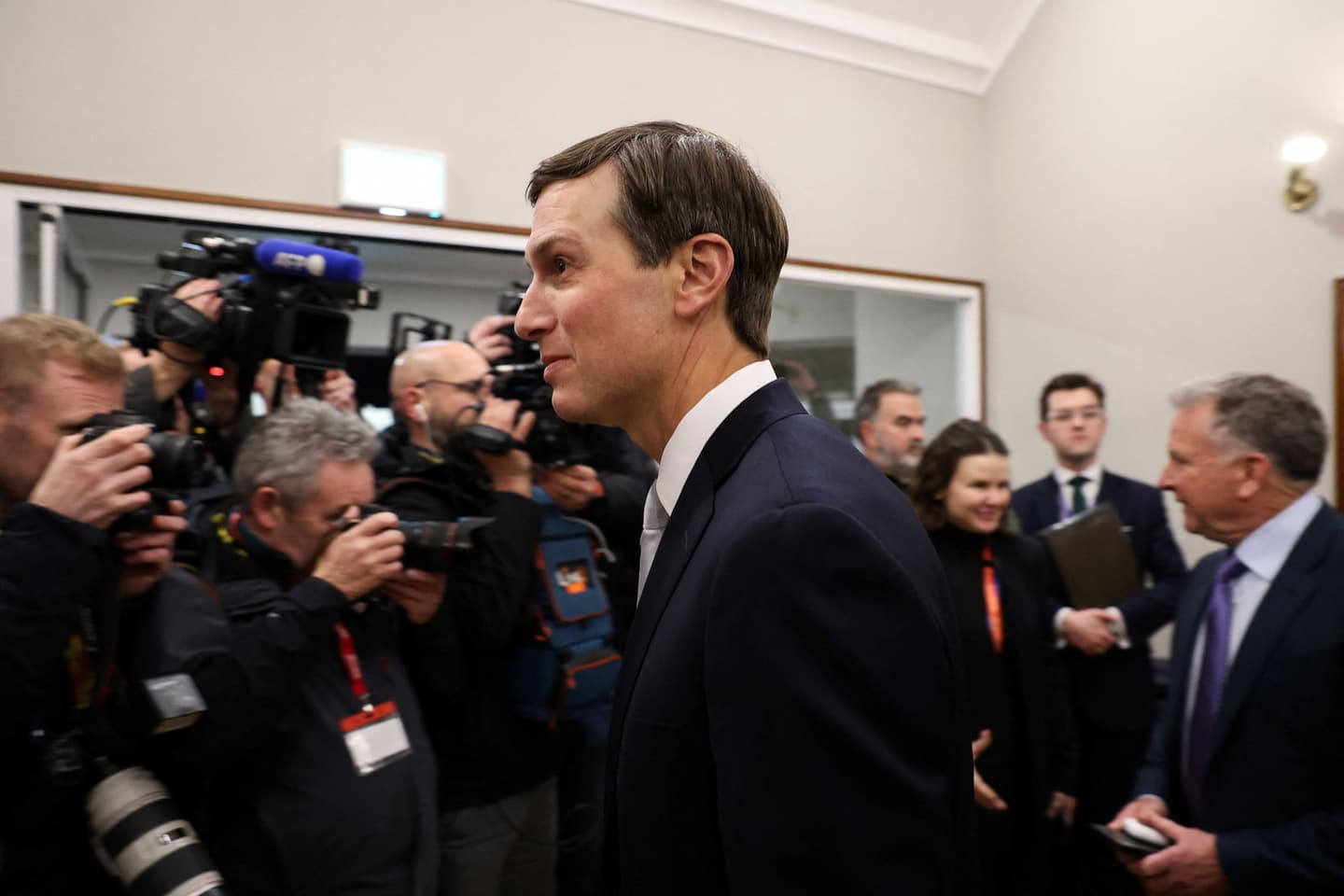
Cathal McNaughton/Reuters




What Happened
Key Implications
What Happened
Key Implications
Where Sources Disagree
- Peace Negotiation Sequencing: U.S. envoys emphasize facilitating direct engagement between Moscow and European partners as the immediate priority for upcoming peace talks. However, Ukrainian and European officials insist that negotiations must strictly prioritize establishing a ceasefire and ending the war before addressing broader European security frameworks.
- Security Architecture Debate: European leaders warn that negotiating a new European security architecture with Russia is a dangerous trap, potentially undermining NATO and existing borders. In contrast, U.S. envoy Jared Kushner maintains that detailed postwar security arrangements are essential for achieving a durable, lasting peace.
Timeline
November 15, 2026
Calls for guarantees and caution: By Nov. 15 officials stressed that any lasting peace must include credible security guarantees and detailed postwar arrangements for Ukraine, while President Zelenskyy and some European leaders warned against prioritising a reordering of continental security before ending the war and securing Kyiv's protections. Critics cautioned that discussing broader European security architecture prematurely could play into Kremlin objectives.
November 14, 2026
U.S. facilitates Moscow‑Europe talks: On Nov. 14 U.S. envoy Jared Kushner said Washington's focus is on facilitating direct engagement between Moscow and European partners and preparing the agenda for the next round of trilateral talks, noting several new ideas had emerged that could lead to breakthroughs. He posted the update on social media and emphasised bringing European partners directly into discussions.
November 13, 2026
EU agrees five representatives: European leaders agreed to send representatives from five countries — the United Kingdom, France, Germany, Italy and Poland — to participate in future peace talks, and Washington and Moscow agreed to seat three to five European delegates at the main negotiating table, with allies asked to select delegates by the end of November. The five countries also signalled readiness to contribute troops as part of a proposed 'coalition of the willing.'
Summary by Ground AI
Sources
See All 82A varied selection of sources chosen by Ground to reflect the diversity of this story’s coverage.
Most Written About
The stories getting the most coverage from the last 24 hours



Timeline
November 15, 2026
Calls for guarantees and caution: By Nov. 15 officials stressed that any lasting peace must include credible security guarantees and detailed postwar arrangements for Ukraine, while President Zelenskyy and some European leaders warned against prioritising a reordering of continental security before ending the war and securing Kyiv's protections. Critics cautioned that discussing broader European security architecture prematurely could play into Kremlin objectives.
November 14, 2026
U.S. facilitates Moscow‑Europe talks: On Nov. 14 U.S. envoy Jared Kushner said Washington's focus is on facilitating direct engagement between Moscow and European partners and preparing the agenda for the next round of trilateral talks, noting several new ideas had emerged that could lead to breakthroughs. He posted the update on social media and emphasised bringing European partners directly into discussions.
November 13, 2026
EU agrees five representatives: European leaders agreed to send representatives from five countries — the United Kingdom, France, Germany, Italy and Poland — to participate in future peace talks, and Washington and Moscow agreed to seat three to five European delegates at the main negotiating table, with allies asked to select delegates by the end of November. The five countries also signalled readiness to contribute troops as part of a proposed 'coalition of the willing.'


