U.S. Completes Troop Withdrawal From Iraq, Ending Anti-ISIS Mission
Iraq
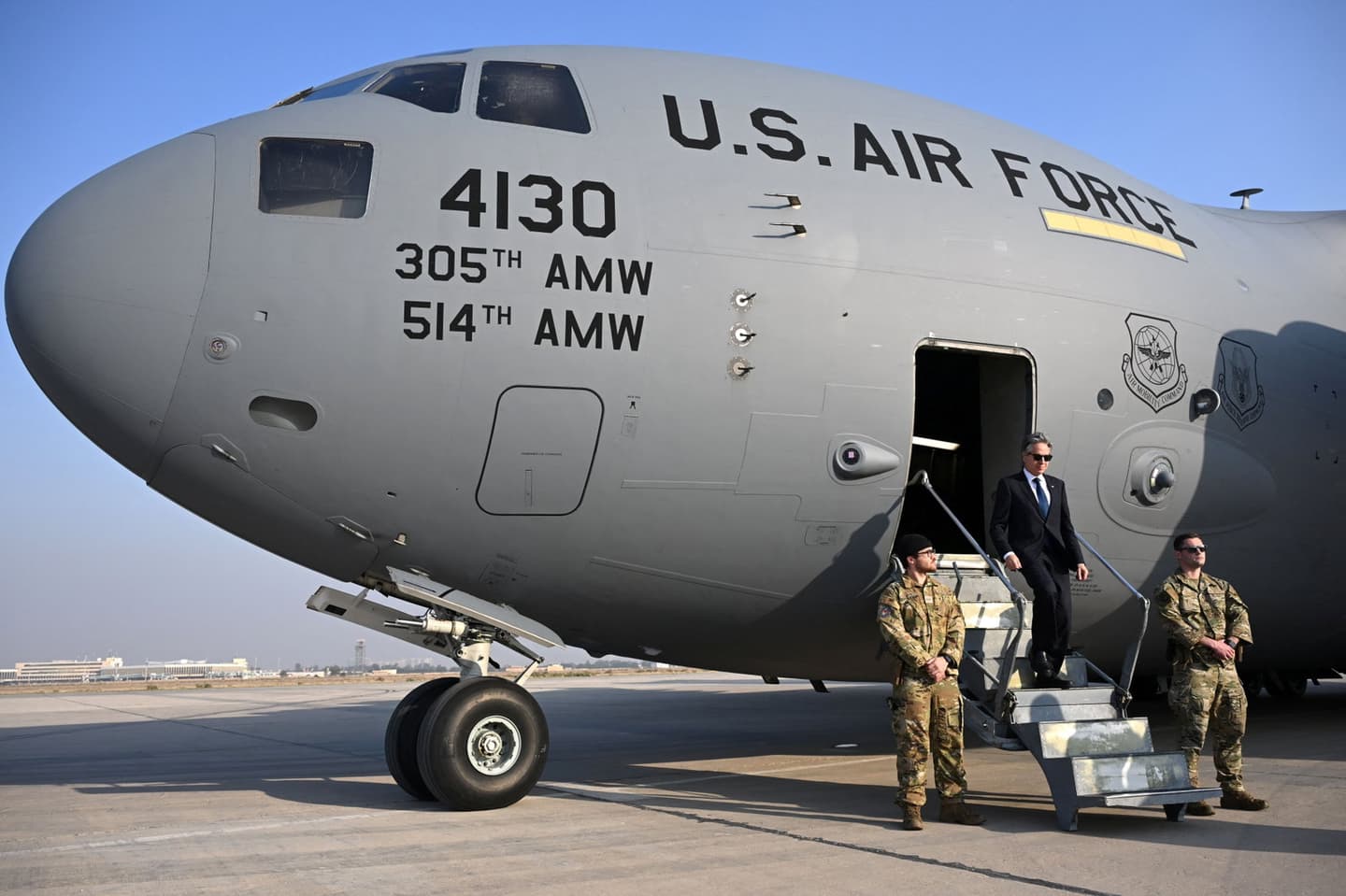
Andrew Caballero-Reynolds/Reuters
Source Analysis




What Happened
Key Implications
What Happened
Key Implications
Where Sources Agree
- arrows_inputOperation Inherent Resolve Concludes: Multiple accounts detail the formal conclusion of Operation Inherent Resolve and the completion of the U.S. military withdrawal from Iraq on September 30, with the final troops departing Erbil Air Base, according to Pentagon announcements.
- arrows_inputTransition to Iraqi-Led Security: Various sources indicate the U.S. military withdrawal marks a transition to an Iraqi-led security effort, with the Iraqi government now assuming primary responsibility for national security while maintaining a bilateral defense relationship with Washington, according to official government statements.
Where Sources Disagree
- arrows_outputIraqi Security Preparedness: U.S. and Iraqi officials maintain that Iraqi security forces are now fully prepared to manage national security and combat terrorist remnants independently. However, security analysts and some local officials warn that the withdrawal creates a dangerous security vacuum, leaving the country vulnerable to resurgence by ISIS and increased influence from Iran-backed militias.
- arrows_outputSecurity Implications of U.S. Withdrawal: The Trump administration and the Pentagon frame the withdrawal as a definitive victory, declaring ISIS militarily defeated. However, security experts and regional officials warn the departure creates a dangerous security vacuum, potentially empowering Iran-backed militias and risking an ISIS resurgence.
Timeline
October 01, 2026
Aftermath: Celebrations And Worries: Iran-backed militias and allied factions hailed the exit as a victory and publicly celebrated, while Kurdish leaders and others expressed anxiety about losing U.S. defenses and the potential for militias or ISIS remnants to expand; Prime Minister al-Zaidi later moved the deadline for full militia disarmament to June 2027.
September 30, 2026
U.S. Withdrawal Completed: The U.S. military completed the withdrawal of combat and logistical personnel by the Sept. 30, 2026 deadline, ending a 12-year counter-ISIS mission and the remaining American military presence across Iraqi bases, including in Kurdistan. Iraq celebrated with official parades and a four-day national holiday declaring 'Sovereignty Day' as security authority transferred to Iraqi institutions.
September 28, 2026
Pre-Exit Clashes And Security Concerns: In the days leading up to the pullout, Iraqi counterterrorism forces clashed with suspected ISIS remnants (notably near Altun Kupri on Sept. 28) and Kurdish officials warned about the removal of U.S. air-defence systems after more than 1,000 drone and ballistic attacks during the U.S.-Iran conflict. These incidents heightened fears of security gaps as coalition interceptors left.
Perspectives and Debates
Summary by Ground AI
Sources
See All 1012A varied selection of sources chosen by Ground to reflect the diversity of this story’s coverage.
Most Written About
The stories getting the most coverage from the last 24 hours


Source Analysis
Timeline
October 01, 2026
Aftermath: Celebrations And Worries: Iran-backed militias and allied factions hailed the exit as a victory and publicly celebrated, while Kurdish leaders and others expressed anxiety about losing U.S. defenses and the potential for militias or ISIS remnants to expand; Prime Minister al-Zaidi later moved the deadline for full militia disarmament to June 2027.
September 30, 2026
U.S. Withdrawal Completed: The U.S. military completed the withdrawal of combat and logistical personnel by the Sept. 30, 2026 deadline, ending a 12-year counter-ISIS mission and the remaining American military presence across Iraqi bases, including in Kurdistan. Iraq celebrated with official parades and a four-day national holiday declaring 'Sovereignty Day' as security authority transferred to Iraqi institutions.
September 28, 2026
Pre-Exit Clashes And Security Concerns: In the days leading up to the pullout, Iraqi counterterrorism forces clashed with suspected ISIS remnants (notably near Altun Kupri on Sept. 28) and Kurdish officials warned about the removal of U.S. air-defence systems after more than 1,000 drone and ballistic attacks during the U.S.-Iran conflict. These incidents heightened fears of security gaps as coalition interceptors left.


