U.S. and Canada Work on Steel, Auto Tariff Deal Ahead of Midterms
Canada
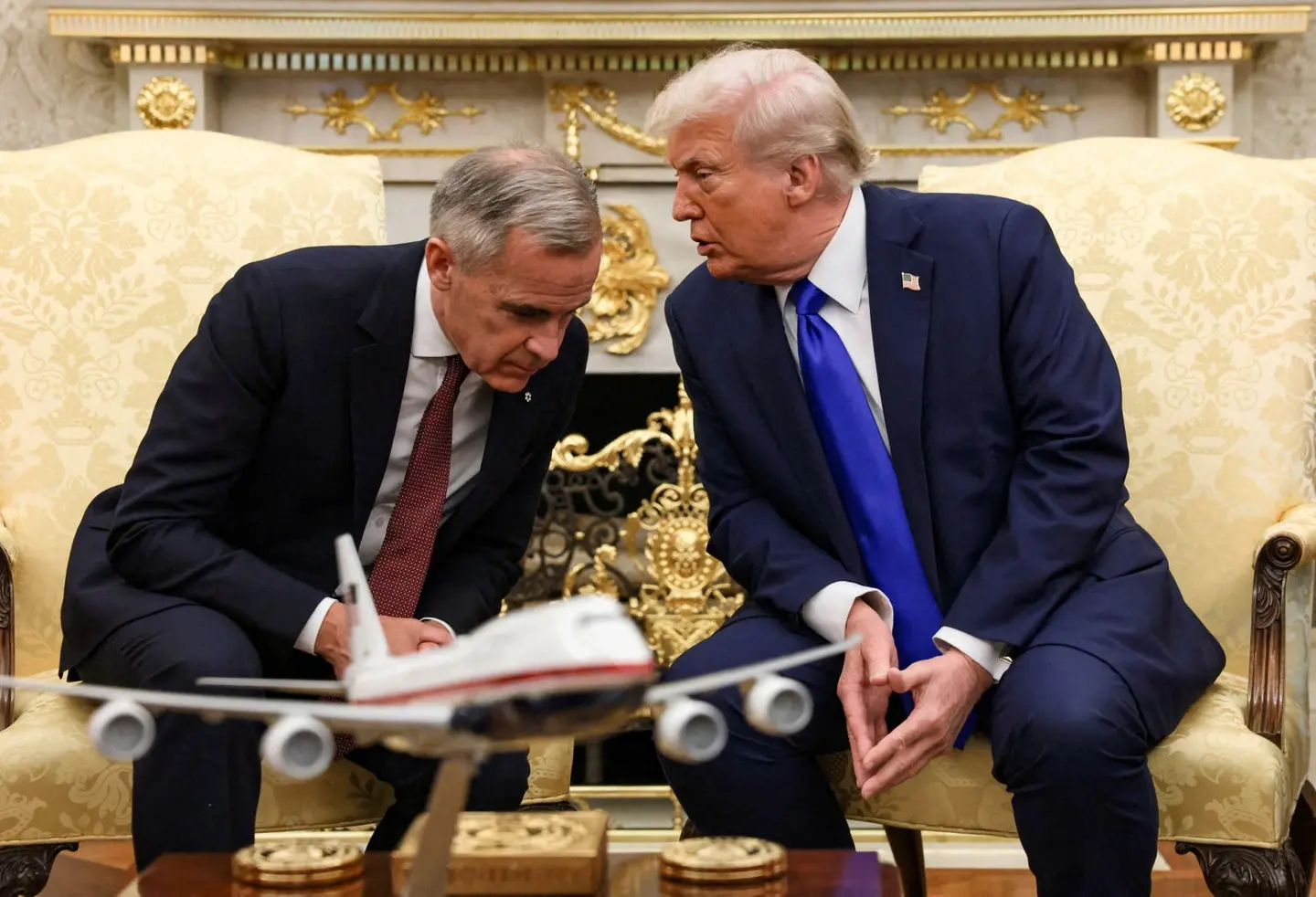
Evelyn Hockstein/Reuters
Source Analysis




What Happened
What Happened
Where Sources Agree
- arrows_inputTariff Negotiations Intensify: Reporting establishes that the United States and Canada are actively negotiating to ease Section 232 tariffs on steel and automobiles, with talks intensifying at the political level to resolve trade disputes ahead of the November midterm elections, according to multiple sources and Reuters reporting.
- arrows_inputTariff Deal Before Midterms: Most outlets confirm the United States and Canada are actively negotiating a deal to reduce steel and auto tariffs before the November 3 midterm elections, as the ongoing trade dispute creates political liabilities for President Donald Trump, according to multiple sources.
Where Sources Disagree
- arrows_outputTrade Deal Likelihood Disputed: Some officials and sources report that trade negotiations are moving quickly and a deal is imminent. However, other sources emphasize that a wide gap remains on key elements and caution that the two nations are not yet on the verge of an agreement.
- arrows_outputTrump's Trade Negotiation Tactics: Some observers highlight President Trump’s recent flexibility as a strategic move to secure midterm political gains. Conversely, other reports emphasize his history of aggressive rhetoric—such as characterizing trade partners as 'ripping off' the U.S.—and a pattern of breaking previous trade agreements.
- arrows_outputEconomic Performance Assessment: The White House characterizes the current U.S. economy as the strongest in the country’s history; however, other reports highlight persistent inflation and cost-of-living pressures, noting a discrepancy between the administration's optimistic assessment and the financial realities reported by many Americans.
Timeline
October 27, 2026
Section 232 deal talks, uncertainty: Officials from both countries focused on potential relief from Section 232 duties—notably up to 50% tariffs on Canadian steel and 25% on autos—with multiple sources saying a narrowed agreement could be possible before the Nov. 3 midterm elections, but major differences remained and no deal had been finalized as of Oct. 27.
October 26, 2026
High-level talks intensify: In late October leaders and senior officials signaled renewed momentum: Prime Minister Mark Carney described a 'slight intensification' of talks, U.S. advisers said negotiations have picked up, and Canada said conversations were taking place at multiple political levels though formal negotiating tables had not yet reconvened. U.S. Commerce Secretary Howard Lutnick and Canada’s Dominic LeBlanc have been in regular contact.
October 26, 2026
Partial tariff exemptions granted: In the weeks before the midterms the White House exempted a number of Canadian goods from 50% tariffs—removing duties on products such as corrugated paper, plastic boxes and some agricultural and forestry machinery—while saying it would replace exempted items with levies on other imports to keep the total level of border taxes the same.
Summary by Ground AI
Sources
See All 39A varied selection of sources chosen by Ground to reflect the diversity of this story’s coverage.
Most Written About
The stories getting the most coverage from the last 24 hours





Source Analysis
Timeline
October 27, 2026
Section 232 deal talks, uncertainty: Officials from both countries focused on potential relief from Section 232 duties—notably up to 50% tariffs on Canadian steel and 25% on autos—with multiple sources saying a narrowed agreement could be possible before the Nov. 3 midterm elections, but major differences remained and no deal had been finalized as of Oct. 27.
October 26, 2026
High-level talks intensify: In late October leaders and senior officials signaled renewed momentum: Prime Minister Mark Carney described a 'slight intensification' of talks, U.S. advisers said negotiations have picked up, and Canada said conversations were taking place at multiple political levels though formal negotiating tables had not yet reconvened. U.S. Commerce Secretary Howard Lutnick and Canada’s Dominic LeBlanc have been in regular contact.
October 26, 2026
Partial tariff exemptions granted: In the weeks before the midterms the White House exempted a number of Canadian goods from 50% tariffs—removing duties on products such as corrugated paper, plastic boxes and some agricultural and forestry machinery—while saying it would replace exempted items with levies on other imports to keep the total level of border taxes the same.


