DHS Orders DeepSeek Removed From Civilian Federal Systems
United States
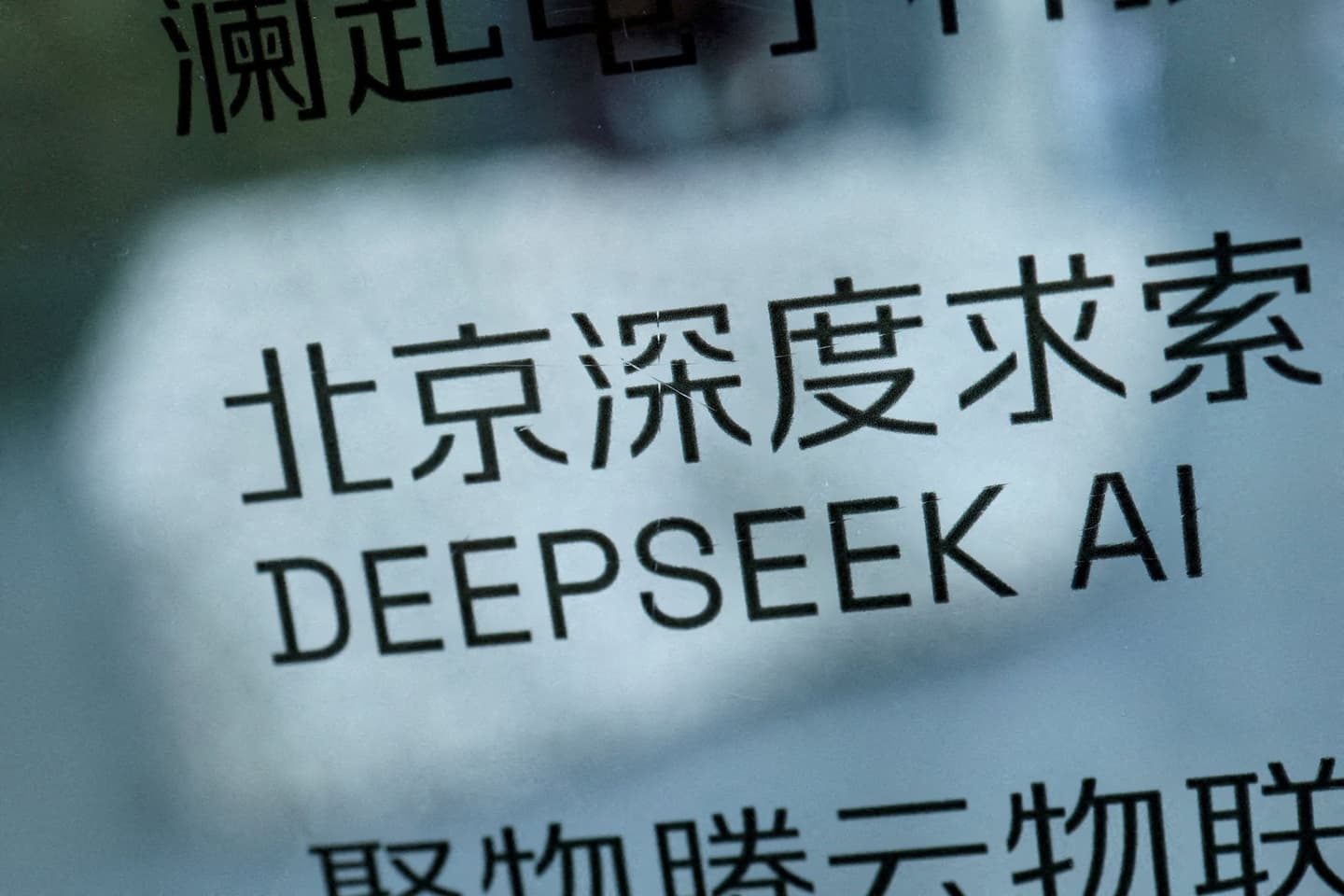
Florence Lo/Reuters




What Happened
What Happened
Where Right Sources Focus
- Broader Tech Decoupling: Conservative outlets frame the DeepSeek ban as a critical component of a broader, multi-front campaign against Chinese technological influence. They highlight regulatory actions, including FCC bans on Chinese hardware and drones, as evidence of a coordinated national security strategy to reduce reliance on adversarial tech.
- Allegations of IP Theft: Right-leaning media extensively cover accusations that Chinese AI labs illicitly steal intellectual property from American companies via model distillation. They cite congressional reports and industry complaints describing these practices as adversarial behavior equivalent to cheating or stealing training data.
Where Left Sources Focus
- Operational Directive Details: Left-leaning coverage prioritizes the specific logistics of the DHS directive, including requirements for civilian agencies to remove third-party tools built on DeepSeek. They detail the compliance process, noting that agencies can request exceptions with compelling justification and may receive technical assistance.
- Market Competitive Pressure: Several reports emphasize DeepSeek's role as a disruptive, low-cost competitor challenging Silicon Valley's dominance. These outlets highlight how the startup's affordable, open-weight models have pressured tech stocks and attracted developers looking for cheaper alternatives to closed-source systems like Gemini or Claude.
What's Largely Absent from Each Side
- Right sources rarely mention: Right-leaning sources rarely mention the specific operational details of the DHS order, such as the scope of third-party software restrictions and the 60-day exception process, which left-leaning outlets feature prominently to explain practical implementation.
- Left sources rarely mention: Left-leaning coverage largely omits the broader context of coordinated US-China tech decoupling, such as FCC hardware and drone bans, which right-leaning outlets emphasize to illustrate the administration's multi-front strategy against Chinese technological influence.
Rare Agreement
- National Security Risk: Sources across the ideological spectrum agree that DeepSeek models present national security vulnerabilities, specifically citing risks of sensitive data transfer to China, potential malware, and the capability to track or digitally fingerprint government users.
Timeline
October 19, 2026
DHS publishes removal notice: DHS filed a public notice (made available Oct. 19 and scheduled for Federal Register publication Oct. 20) ordering civilian federal agencies to remove DeepSeek products and third-party services built on its models, barring new acquisitions and citing risks that use could transfer sensitive data to the PRC or expose systems to malware.
October 16, 2026
Federal exclusion listed Oct.16: The federal contracting database SAM.gov listed DeepSeek under an active exclusion that took effect on Oct. 16, and reports said the orders were issued on Oct. 16 by the secretaries of homeland security and war and the director of national intelligence.
July 24, 2026
DHS signs exclusion order: Homeland Security Secretary Markwayne Mullin signed an Exclusion and Removal Order dated July 24 that barred DeepSeek products and affiliates from civilian federal procurement and required agencies to remove related technology, with DHS saying the ban took effect from the end of July.
Summary by Ground AI
Sources
See All 281A varied selection of sources chosen by Ground to reflect the diversity of this story’s coverage.
Most Written About
The stories getting the most coverage from the last 24 hours



Timeline
October 19, 2026
DHS publishes removal notice: DHS filed a public notice (made available Oct. 19 and scheduled for Federal Register publication Oct. 20) ordering civilian federal agencies to remove DeepSeek products and third-party services built on its models, barring new acquisitions and citing risks that use could transfer sensitive data to the PRC or expose systems to malware.
October 16, 2026
Federal exclusion listed Oct.16: The federal contracting database SAM.gov listed DeepSeek under an active exclusion that took effect on Oct. 16, and reports said the orders were issued on Oct. 16 by the secretaries of homeland security and war and the director of national intelligence.
July 24, 2026
DHS signs exclusion order: Homeland Security Secretary Markwayne Mullin signed an Exclusion and Removal Order dated July 24 that barred DeepSeek products and affiliates from civilian federal procurement and required agencies to remove related technology, with DHS saying the ban took effect from the end of July.


