US Army Plans Iowa Detonation Despite Court Pause, Filing Says
Iowa, US
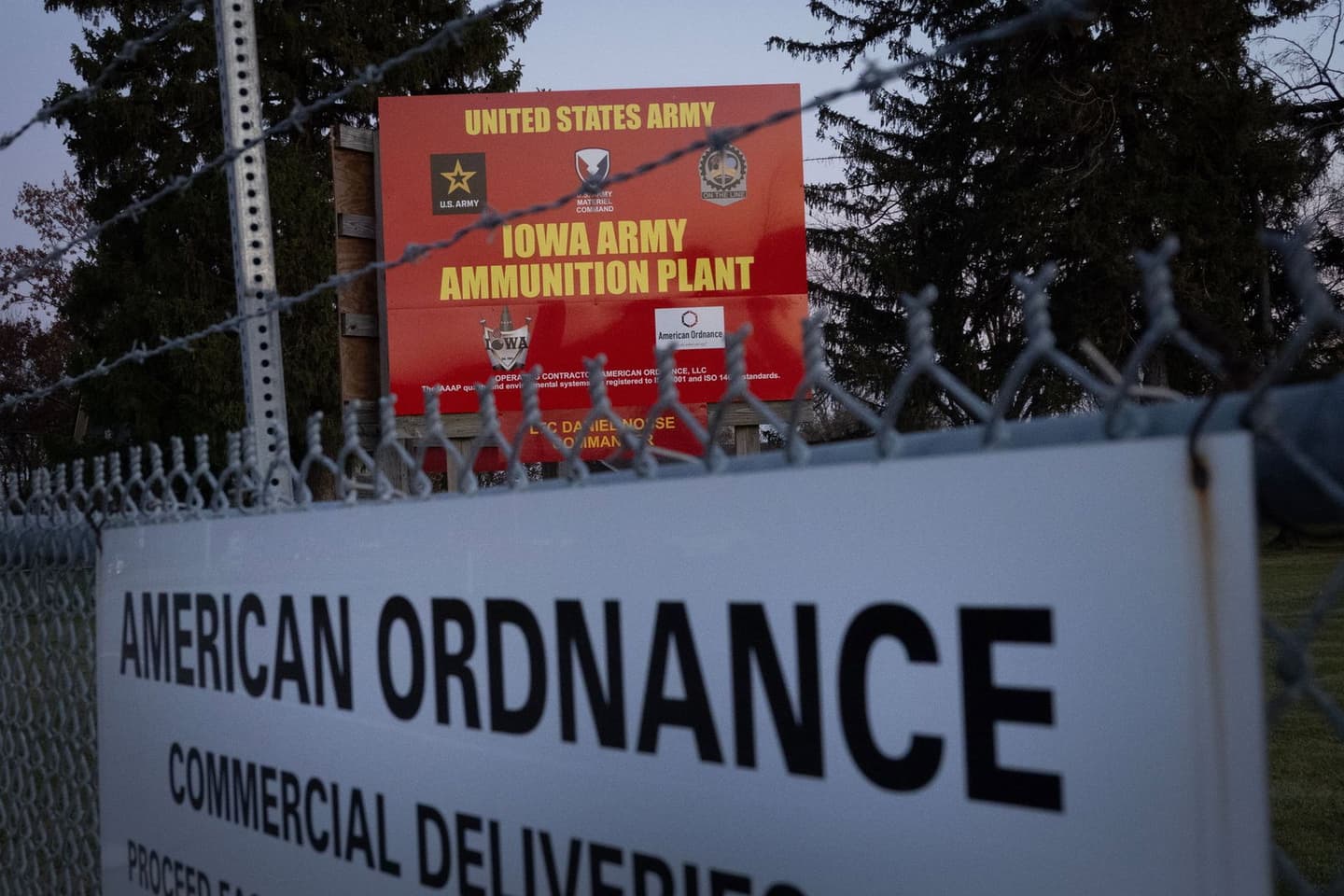
Scott Olson/Getty Images/Getty
Source Analysis




What Happened
What Happened
Where Sources Disagree
- Detonation Justification Dispute: The U.S. Army asserts that a controlled detonation of degraded lead azide is necessary to prevent a more dangerous, uncontrolled explosion as temperatures drop. However, environmental groups argue the Army is invoking emergency powers to circumvent a court-ordered pause and avoid public scrutiny regarding the detonation's impact.
- Disposal Method Disagreement: The Army maintains that a controlled detonation is the safest method to prevent an uncontrolled explosion of unstable lead azide as temperatures drop. However, environmental groups argue that the Army has not thoroughly explored viable alternatives, such as chemical neutralization, and criticize the move to bypass the court-ordered permit pause.
- Public Notice Disagreement: The U.S. Army maintains that it has regularly communicated with stakeholders and the public regarding the detonation plans since March. In contrast, community members and state officials report that they lacked adequate prior notice and information about the operation's potential impact.
Timeline
November 21, 2026
Court stay and legal filings: The 8th U.S. Circuit Court of Appeals temporarily stayed the EPA emergency permit after environmental groups sued, while the Justice Department and Army filed responses saying the Army intends to proceed under an emergency munitions/exclusion and sought to act before forecasted temperature drops.
November 20, 2026
Public notified; initial scheduling: Army officials held an October community meeting and sent notice to the Middletown community (notice around Nov. 15) as detonations were initially scheduled for Nov. 20 but then postponed amid public outcry and local closures to a later date.
November 13, 2026
EPA issues emergency permit: The U.S. Environmental Protection Agency granted an emergency permit that would allow the Army to destroy the degraded material at the plant (permit window noted to allow detonation between Nov. 13 and Feb. 11, 2027).
Summary by Ground AI
Sources
See All 245A varied selection of sources chosen by Ground to reflect the diversity of this story’s coverage.
Most Written About
The stories getting the most coverage from the last 24 hours





Source Analysis
Timeline
November 21, 2026
Court stay and legal filings: The 8th U.S. Circuit Court of Appeals temporarily stayed the EPA emergency permit after environmental groups sued, while the Justice Department and Army filed responses saying the Army intends to proceed under an emergency munitions/exclusion and sought to act before forecasted temperature drops.
November 20, 2026
Public notified; initial scheduling: Army officials held an October community meeting and sent notice to the Middletown community (notice around Nov. 15) as detonations were initially scheduled for Nov. 20 but then postponed amid public outcry and local closures to a later date.
November 13, 2026
EPA issues emergency permit: The U.S. Environmental Protection Agency granted an emergency permit that would allow the Army to destroy the degraded material at the plant (permit window noted to allow detonation between Nov. 13 and Feb. 11, 2027).


