Twenty-One States Sue Housing and Urban Development Over Mixed-Status Aid
United States
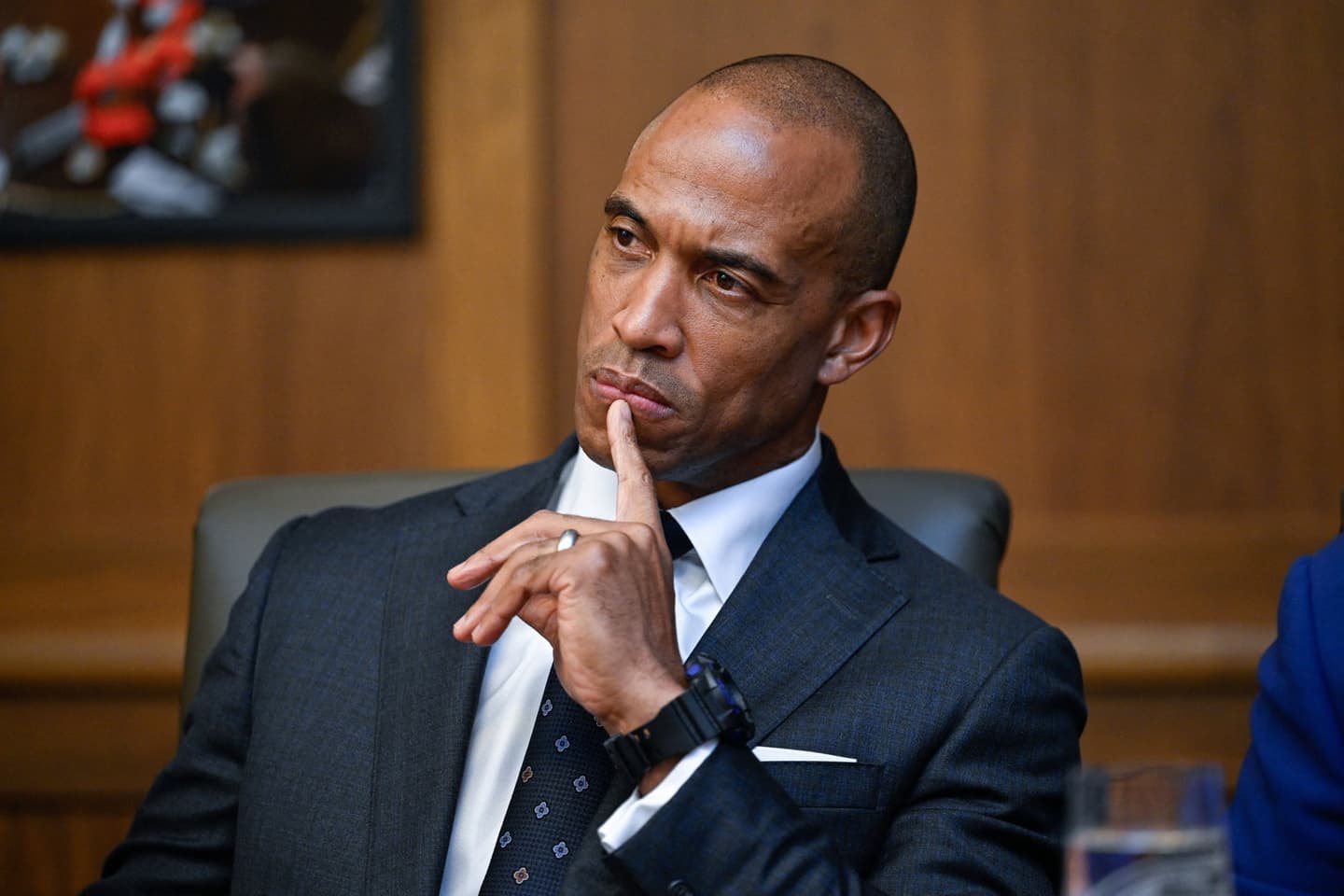
Daniel Heuer/Reuters
Source Analysis




What Happened
Key Implications
What Happened
Key Implications
Where Right Sources Focus
- Resource Reallocation Goals: Right-leaning outlets emphasize the HUD rule's goal of reallocating $218 million in federal subsidies to eligible citizens, with statements from the department describing the change as a necessary measure to end the exploitation of taxpayer dollars and address housing waitlists.
- Eligibility Enforcement Authority: Right media extensively cover HUD’s assertion of authority to ensure federal housing programs serve only eligible citizens, citing department statements that the rule is designed to guarantee that only U.S. citizens and eligible noncitizens reside in federally funded housing.
Where Left Sources Focus
- Humanitarian Consequences: Several progressive sources highlight the humanitarian consequences of the policy, emphasizing that it threatens 20,000 mixed-status families with eviction and homelessness, specifically noting the potential impact on thousands of U.S.-citizen children who are fully eligible for federal assistance.
- Legal Authority Challenges: Progressive outlets detail legal arguments against the rule, featuring state attorneys general who contend that HUD lacks statutory authority to unilaterally override established housing policy or violate the Administrative Procedure Act regarding long-standing proration systems.
What's Largely Absent from Each Side
- Right sources rarely mention: Right coverage largely omits the specific humanitarian consequences for citizen children and families facing potential displacement, while left-leaning sources cite estimates that 65% of eligible individuals in affected households are children and warn of looming homelessness.
- Left sources rarely mention: Left sources rarely mention the administration's stated justification regarding housing availability for waitlisted citizens, while right-leaning outlets prominently feature HUD's argument that the rule will reallocate over $200 million to eligible Americans currently awaiting assistance.
Rare Agreement
- Legal Process Convergence: Both sides acknowledge that a coalition of 22 states filed a lawsuit in Massachusetts federal court challenging the rule, which is set to take effect on December 14 unless a judge intervenes.
Timeline
November 23, 2026
Localities warn of displacement: Cities and housing authorities warned of substantial local impacts: New York City could see about 2,540 families displaced into shelters, Boston more than 500 families, Washington state about 600 mixed-status families at risk, and HUD estimated most would leave voluntarily while nearly 1,000 households could require formal eviction; plaintiffs also warned sheltering displaced people could cost state and local governments $20,000–$50,000 per person per year. California was said to account for the largest share of affected families (about 7,000 households estimated there).
November 23, 2026
States and locals sue to block: A coalition of 22 states (and Pennsylvania’s governor), plus cities and local housing agencies, filed federal lawsuits — including one in the U.S. District Court for the District of Massachusetts — asking courts to declare the rule unlawful and block HUD from enforcing it. Plaintiffs argue the rule exceeds HUD’s authority and violates federal law and the Administrative Procedure Act.
November 23, 2026
Agency impact estimates released: HUD and plaintiffs’ filings estimate the rule would affect about 20,000 mixed-status families — roughly 78,100 people — and that 55,000 of those affected are fully eligible for assistance (many children); HUD also said the change could reallocate up to $218 million to households on waitlists. These figures are cited in the complaint and agency statements.
Summary by Ground AI
Sources
See All 130A varied selection of sources chosen by Ground to reflect the diversity of this story’s coverage.
Most Written About
The stories getting the most coverage from the last 24 hours




Source Analysis
Timeline
November 23, 2026
Localities warn of displacement: Cities and housing authorities warned of substantial local impacts: New York City could see about 2,540 families displaced into shelters, Boston more than 500 families, Washington state about 600 mixed-status families at risk, and HUD estimated most would leave voluntarily while nearly 1,000 households could require formal eviction; plaintiffs also warned sheltering displaced people could cost state and local governments $20,000–$50,000 per person per year. California was said to account for the largest share of affected families (about 7,000 households estimated there).
November 23, 2026
States and locals sue to block: A coalition of 22 states (and Pennsylvania’s governor), plus cities and local housing agencies, filed federal lawsuits — including one in the U.S. District Court for the District of Massachusetts — asking courts to declare the rule unlawful and block HUD from enforcing it. Plaintiffs argue the rule exceeds HUD’s authority and violates federal law and the Administrative Procedure Act.
November 23, 2026
Agency impact estimates released: HUD and plaintiffs’ filings estimate the rule would affect about 20,000 mixed-status families — roughly 78,100 people — and that 55,000 of those affected are fully eligible for assistance (many children); HUD also said the change could reallocate up to $218 million to households on waitlists. These figures are cited in the complaint and agency statements.


