Amy Klobuchar Wins Minnesota Governor’s Race, Becomes State’s First Woman Governor
Minnesota, US
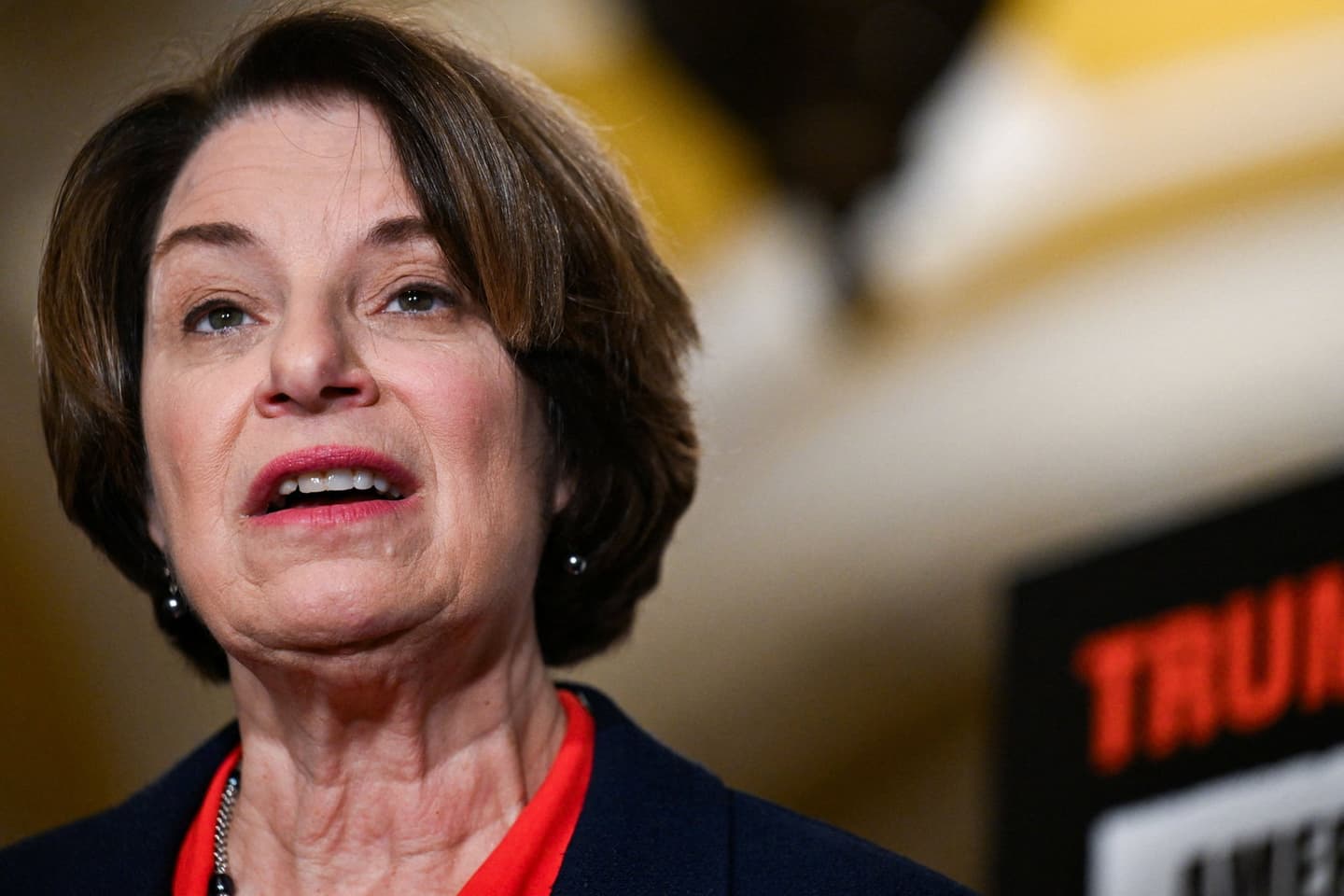
Annabelle Gordon/Reuters
Source Analysis




What Happened
What Happened
Where Sources Disagree
- arrows_outputGubernatorial Milestone Framing: While most outlets highlight Amy Klobuchar’s victory as making her Minnesota’s first woman governor, select reporting notes that Republican challenger Lisa Demuth would have achieved a different historical milestone as the state’s first Black governor.
- arrows_outputSenate Seat Appointment Authority: While some sources report that Governor Walz has the authority to choose a replacement for the Senate seat, others note he could potentially decline to make an appointment, leaving the position vacant until Klobuchar takes office.
- arrows_outputCampaign Coverage Focus: Reports vary slightly in their focus—some detail specific policy proposals like banning cell phones in schools, while others center on broader campaign themes such as lowering costs and addressing fraud.
Timeline
November 4, 2026
Post‑election: Senate vacancy explained: Because Klobuchar must resign her U.S. Senate seat to serve as governor, reporting outlined appointment options and Minnesota law requiring a special election (to be held in November 2027) to fill the remainder of her term; timing of her resignation will determine who can appoint a temporary replacement.
November 3, 2026
Election night: Klobuchar wins: On Election Day, Klobuchar was projected and later declared the winner, becoming Minnesota's first woman elected governor with roughly mid‑50s percent of the vote according to projections and unofficial returns; her opponent Lisa Demuth conceded. Major outlets called the race late on Nov. 3 into the early hours following returns reporting.
October 2026
Campaign focuses on fraud, funding edge: Through mid‑October 2026 Klobuchar held a commanding fundraising advantage (raising more than $15.5 million vs. Demuth's $3.6 million) and campaigned heavily on tackling state government fraud and affordability measures. Fraud and federal immigration actions in Minnesota were central campaign issues that helped drive Democratic turnout.
Summary by Ground AI
Sources
See All 94A varied selection of sources chosen by Ground to reflect the diversity of this story’s coverage.
Most Written About
The stories getting the most coverage from the last 24 hours




Source Analysis
Timeline
November 4, 2026
Post‑election: Senate vacancy explained: Because Klobuchar must resign her U.S. Senate seat to serve as governor, reporting outlined appointment options and Minnesota law requiring a special election (to be held in November 2027) to fill the remainder of her term; timing of her resignation will determine who can appoint a temporary replacement.
November 3, 2026
Election night: Klobuchar wins: On Election Day, Klobuchar was projected and later declared the winner, becoming Minnesota's first woman elected governor with roughly mid‑50s percent of the vote according to projections and unofficial returns; her opponent Lisa Demuth conceded. Major outlets called the race late on Nov. 3 into the early hours following returns reporting.
October 2026
Campaign focuses on fraud, funding edge: Through mid‑October 2026 Klobuchar held a commanding fundraising advantage (raising more than $15.5 million vs. Demuth's $3.6 million) and campaigned heavily on tackling state government fraud and affordability measures. Fraud and federal immigration actions in Minnesota were central campaign issues that helped drive Democratic turnout.


